

Definitions
Bricolage: In the arts, bricolage (French for “DIY” or “do-it-yourself projects”) is the construction or creation of a work from a diverse range of things that happen to be available, or a work constructed using mixed media.
(Wikipedia, 2024)
Collage (from the French: coller, “to glue” or “to stick together”;) is a technique of art creation, primarily used in the visual arts, but in music too, by which art results from an assemblage of different forms, thus creating a new whole. (Compare with pastiche, which is a “pasting” together.)
A collage may sometimes include magazine and newspaper clippings, ribbons, paint, bits of colored or handmade papers, portions of other artwork or texts, photographs and other found objects, glued to a piece of paper or canvas. The origins of collage can be traced back hundreds of years, but this technique made a dramatic reappearance in the early 20th century as an art form of novelty.
(Wikipedia, 2024)
Montage: is a film editing technique in which a series of short shots are sequenced to condense space, time, and information. Montages enable filmmakers to communicate a large amount of information to an audience over a shorter span of time by juxtaposing different shots, compressing time through editing, or intertwining multiple storylines of a narrative.
(Wikipedia, 2024)
Photomontage is the process and the result of making a composite photograph by cutting, gluing, rearranging and overlapping two or more photographs into a new image. Sometimes the resulting composite image is photographed so that the final image may appear as a seamless physical print.
(Wikipedia, 2024)
Sound Collage: In music, montage (literally “putting together”) or sound collage (“gluing together”) is a technique where newly branded sound objects or compositions, including songs, are created from collage, also known as Musique concrète. This is often done through the use of sampling, while some sound collages are produced by gluing together sectors of different vinyl records.
(Wikipedia, 2024)
Lubiana Himid
Key observations
- Systematic approach to enquiry
- Artistic practice as a form of enquiry in the lived experience of people of colour
- Exploring ‘absences and presences’ of people of colour in the media over time
- objectification of the black body in media – sexualization
- Un-identified juxtaposition of negative text and images of people of colour in the media – consequence of white privilege, patriarchy
- The ‘tailoring’ of images of people of colour – conscious or unconsciously decided??
- Difference in language used for people/ celebrities of colour and white people
- Language as a vehicle for control‘
- The media as an exemplar of structural patriarchal white privilege
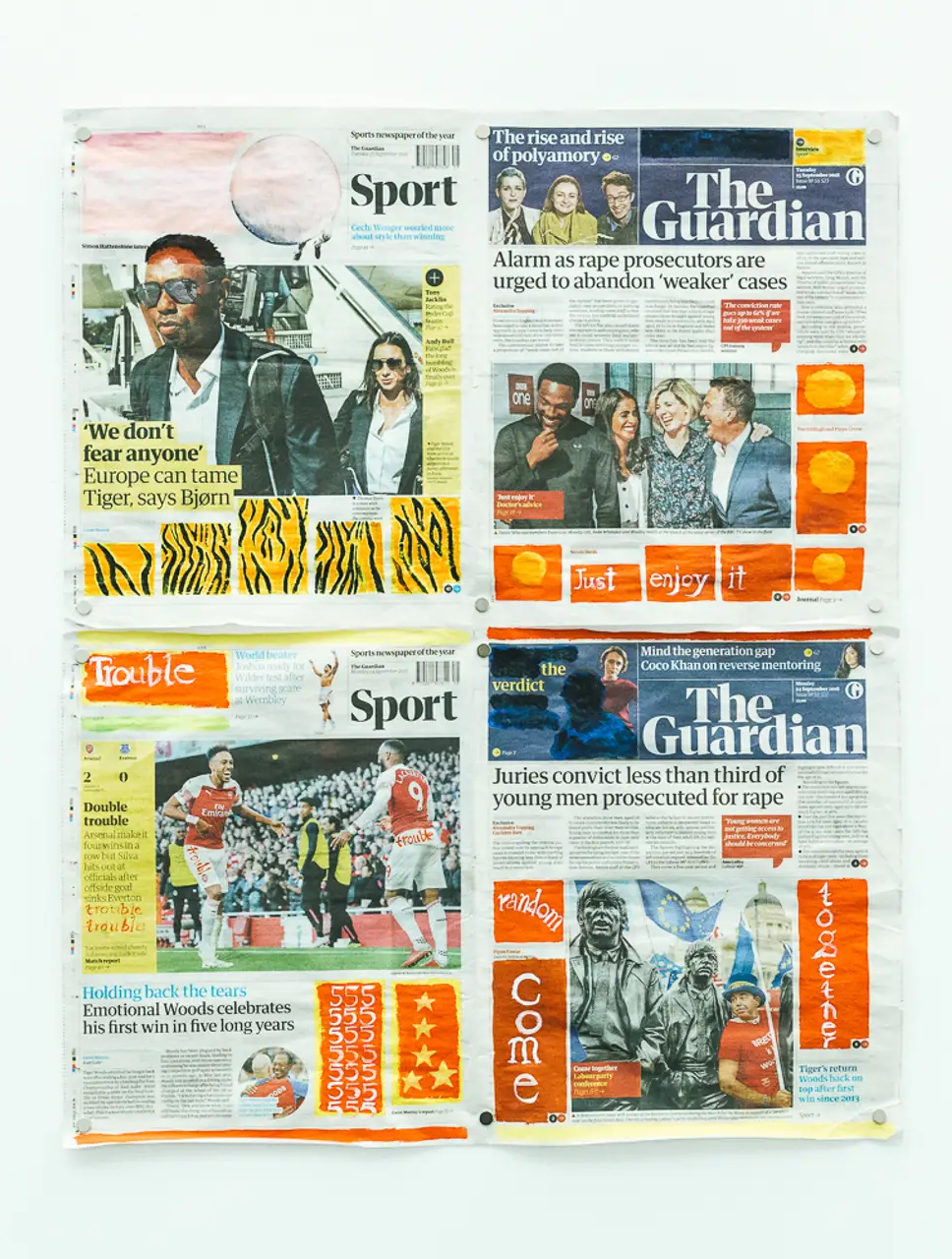
Fig.1. Random Coincidence (2018)
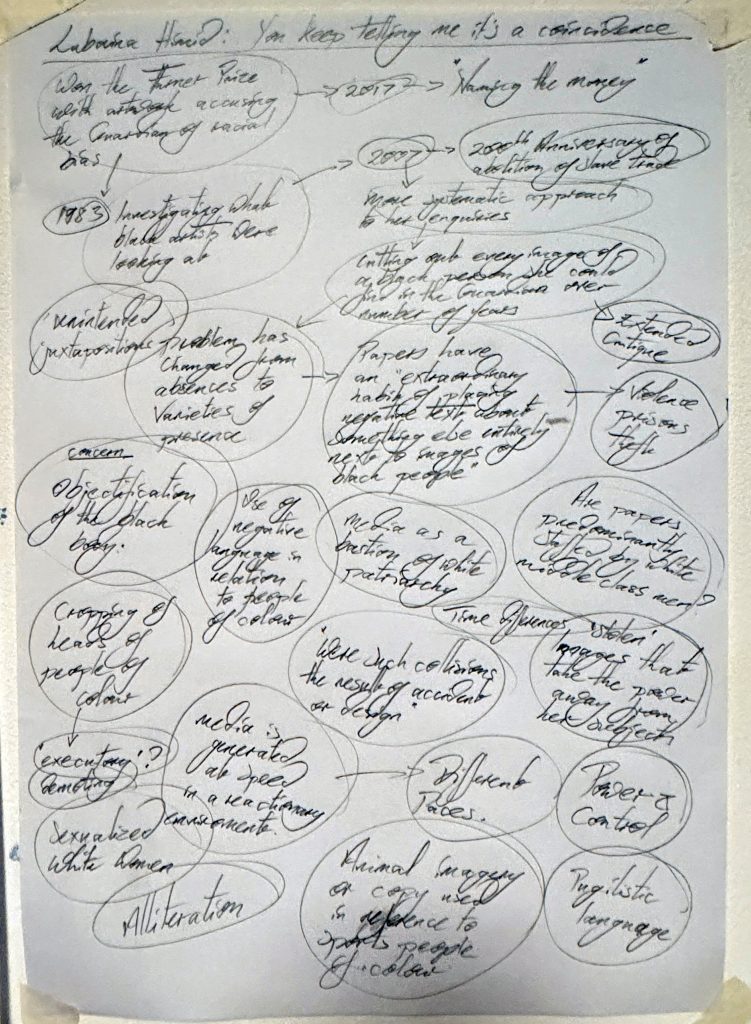
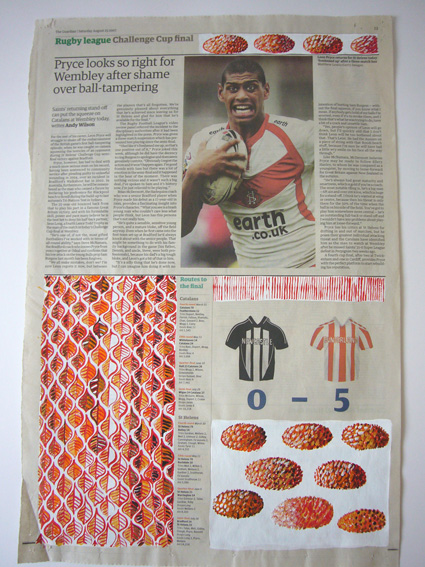
Fig.2. Negative Positives / Guardian Paperworks (2007-2009)
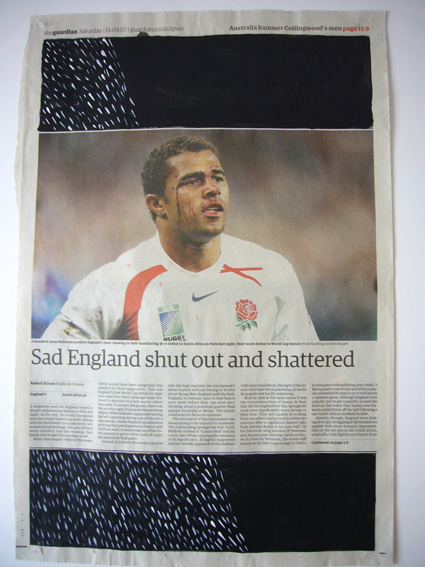
Fig.3. Negative Positives / Guardian Paperworks (2007-2009)
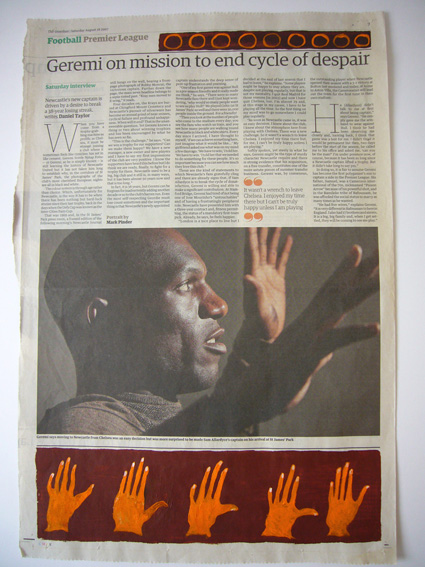
Fig.4. Negative Positives / Guardian Paperworks (2007-2009)
Peter Kennard
Key observations
- Again, art as historical cultural enquiry
- Rage against the ‘perversions of the system’ – relationship between power, capital, war and environmental destruction
- Brings focus to structural white patriarchal privilege
- Repository of social and political history
- Delves into the ‘nooks and crannies’ between what we see in the media to reveal a hidden or implied truths
- Explores and makes solid the casual connections: doesn’t ‘sugarcoat’
- Subverts medium of photomontage: uses it as a critical and political tool
- His is a manual – not digital – process
My art erupts from outrage at the fact that the search for financial profit rules every nook and cranny of our society. Profit masks poverty, racism, war, climate catastrophe and on and on… my aim is to unmask the connection
Kennard, 2024
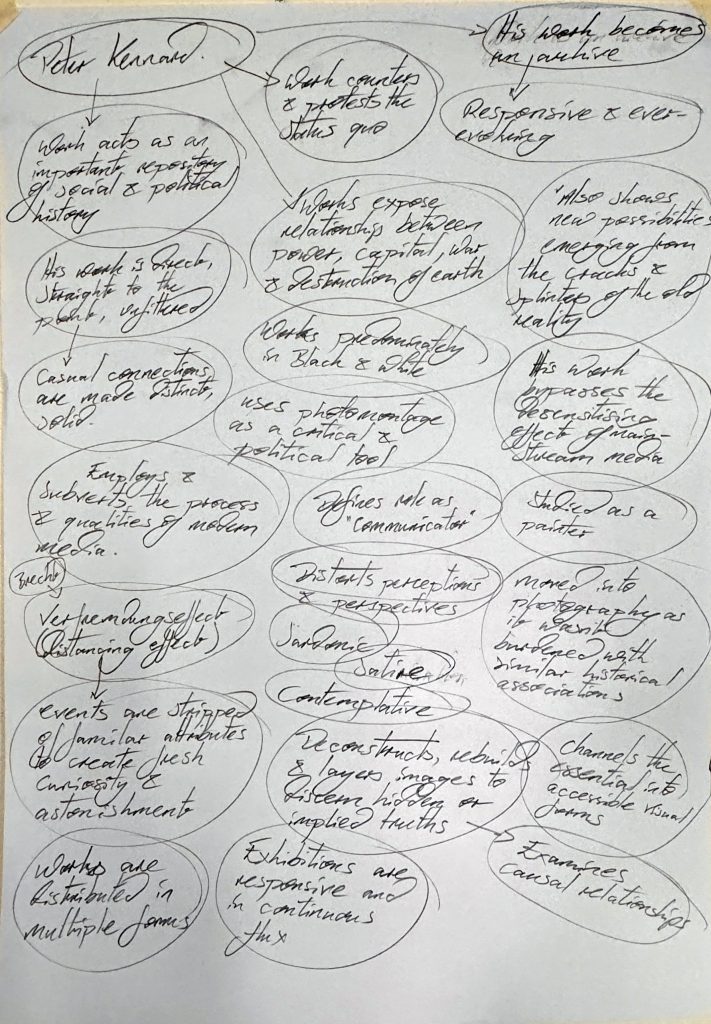
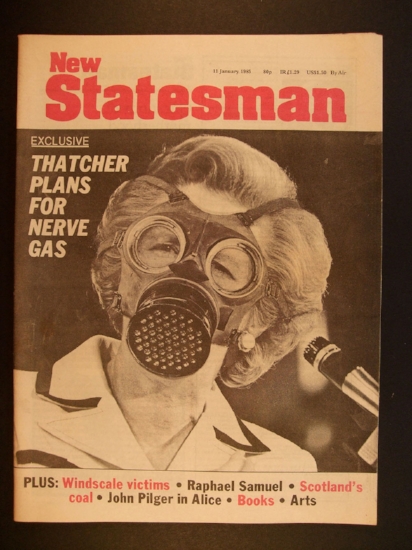
Fig.5. New Statesman, January 11th (1985)
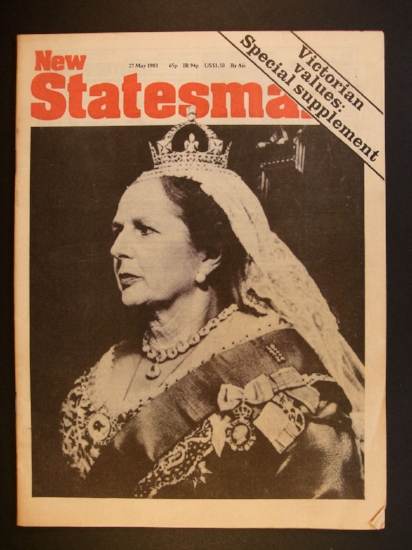
Fig.6. New Statesman, May 23rd (1983)
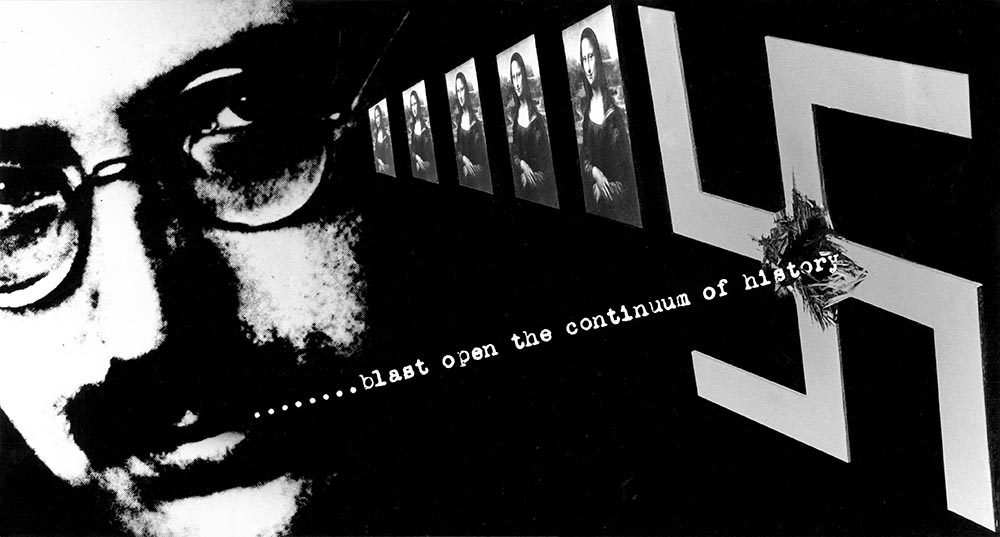
Fig.7. Walter Benjamin. (1990)
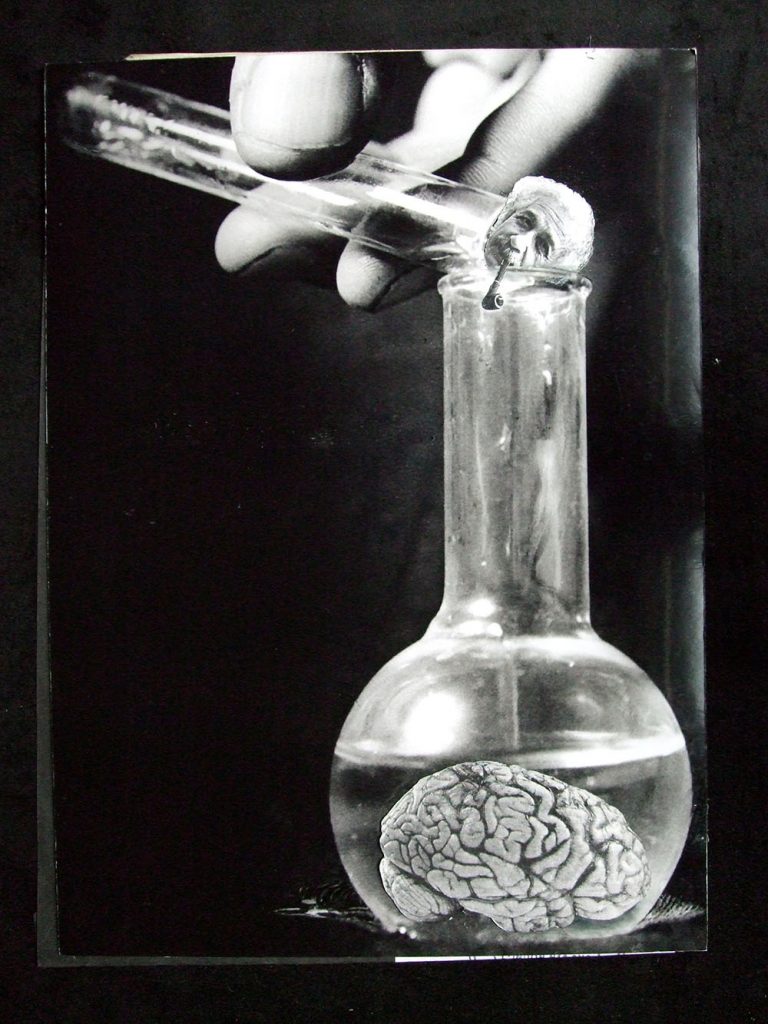
Fig.8. Albert Einstein (Circa 1992)
Photoshopped montages look too real – they would pollute news pages with visual fiction. The beauty of traditional scissors-and-glue photomontage as practised by Kennard is precisely that it does not look real – it looks like art. This Brechtian quality of alienation makes it immediately recognisable as a satirical comment or dark fantasy, rather than reportage. This richly subjective quality makes him a fascinating and important artist.
Jones, 2015
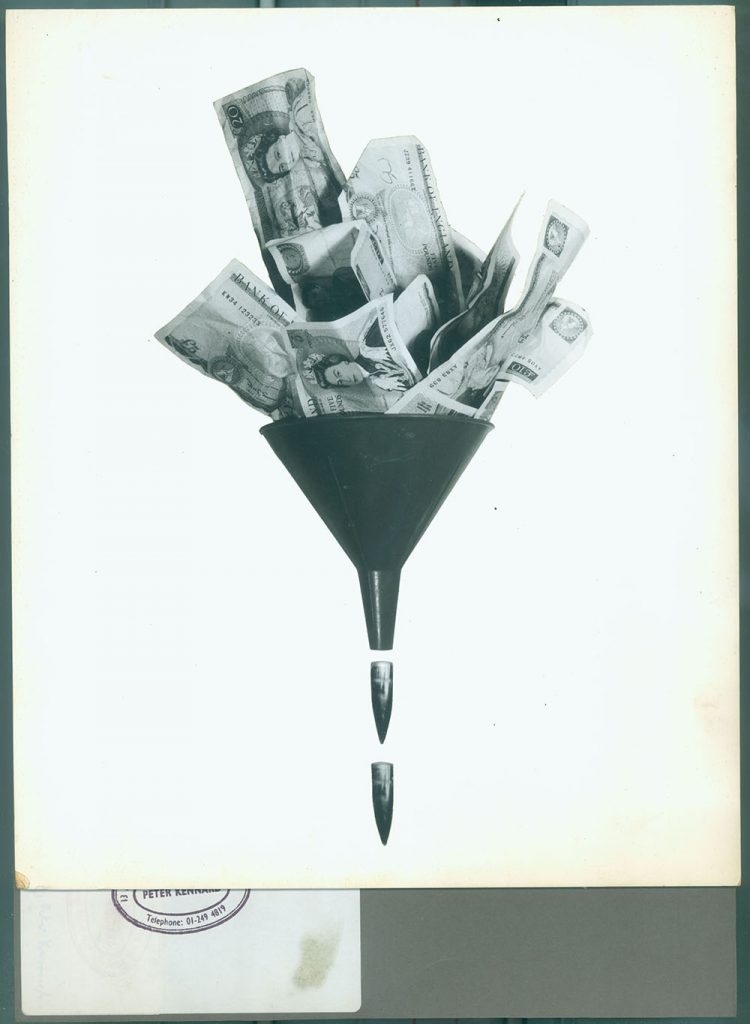
Fig.9. Blood Money (1986)
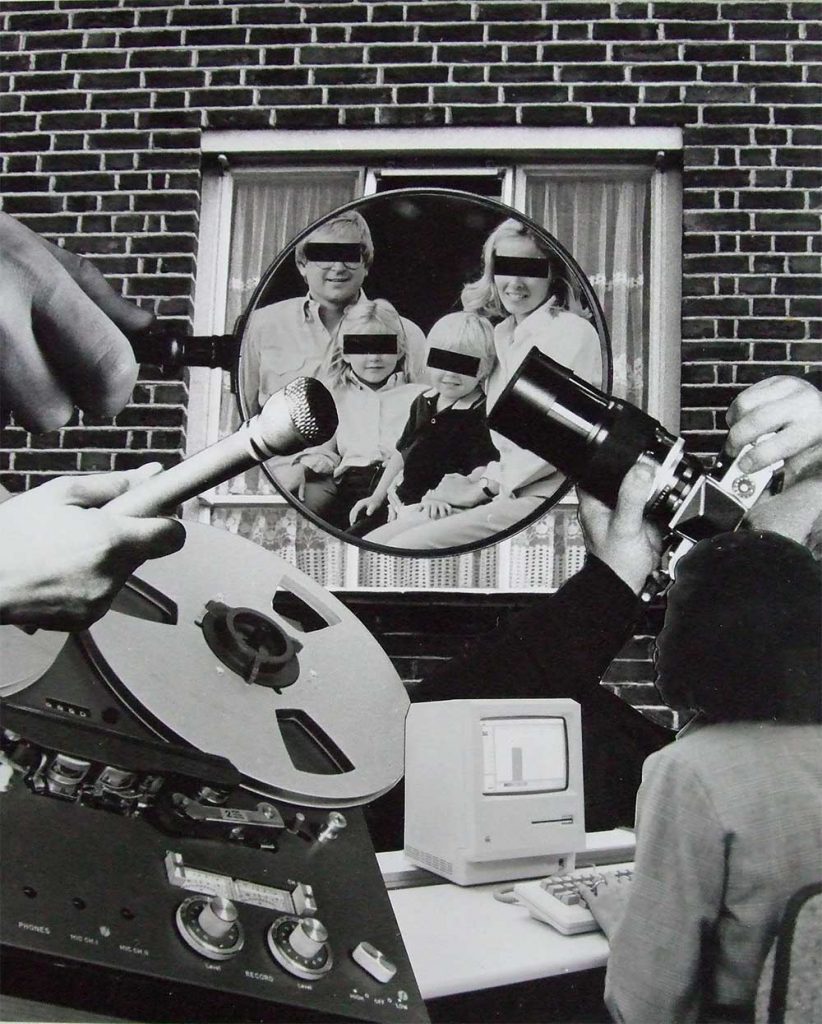
Fig.10. Intruders (1989)
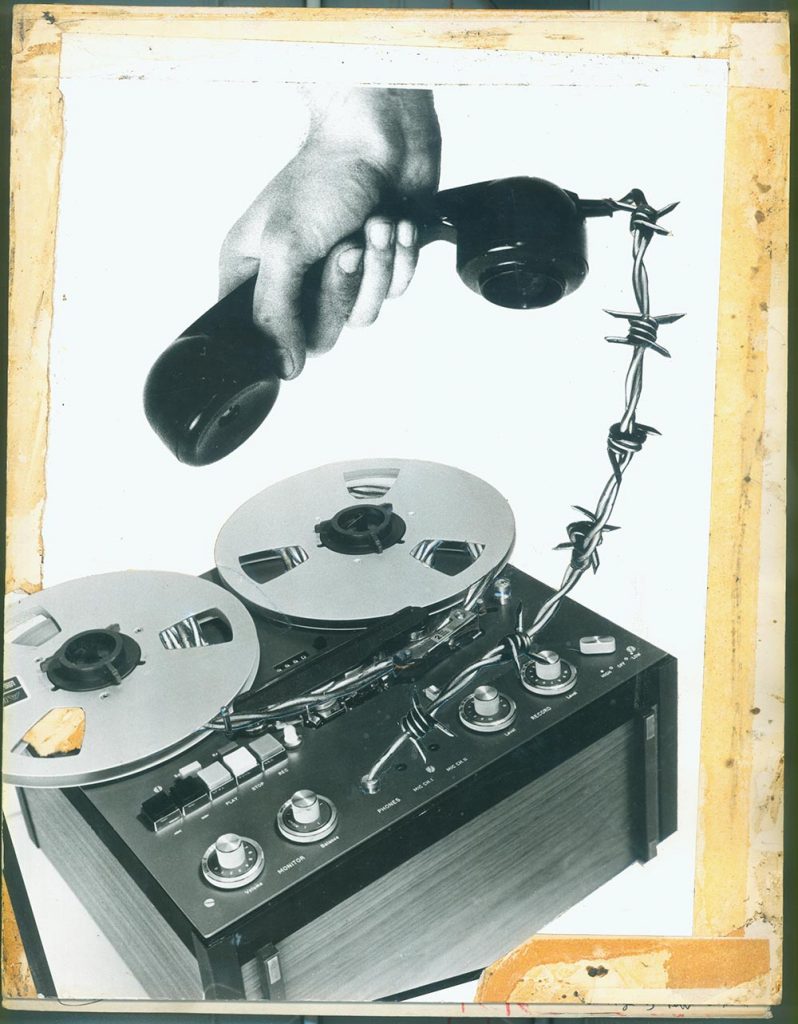
Fig.11. Wired (1980)
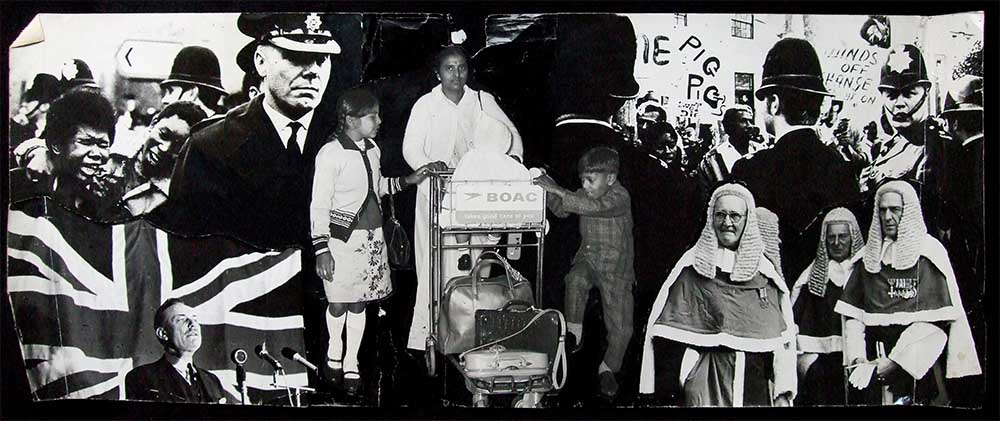
Fig.12. Racism in the UK (1983)
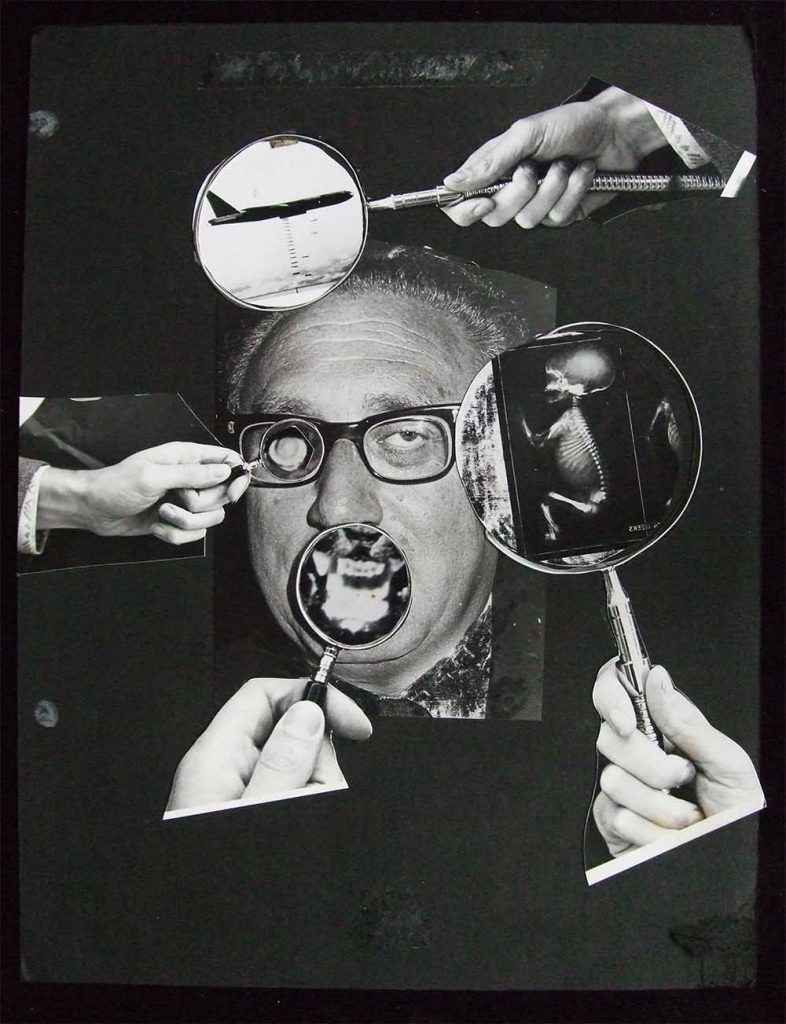
Fig.13. The Kissinger Mind (1979)
John Stezaker
Key observations
- Disrupts the narratives we see through repetition, fragmentation and superimposition
- Disrupts and arrests the vectors of consumption
- Challenges the viewer to pause, to look, to see, to rethink, to reframe their conception
- Creates an intersubjective place for the viewers relationship with the work to fill
- Shifts the original narrative to something other, something with tension, secrecy, deception
- Questions our conception of relationships – not just between people, but between objects, places
- Focuses on the synchronic, how a ‘thing’ exists at one point in time‘ – an escape from duration
- Challenges our definitions and perceptions of the masculine and the feminine, not just in relation to the human creature
- Play as process
Through repetition, fragmentation and superimposition John Stezaker disrupts existing narratives within images to invent new disjointed, dreamlike scenarios
The Approach, s.d.
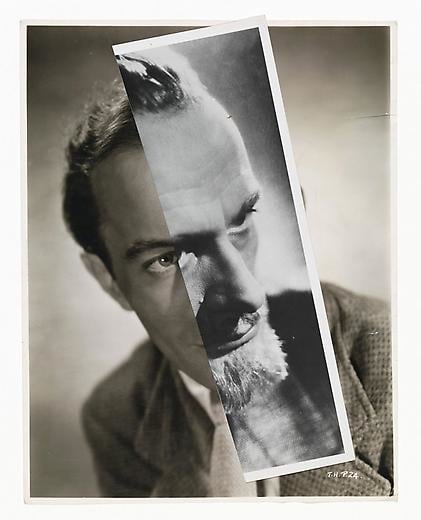
Fig.14. He (Film Portrait Collage) II (2008)
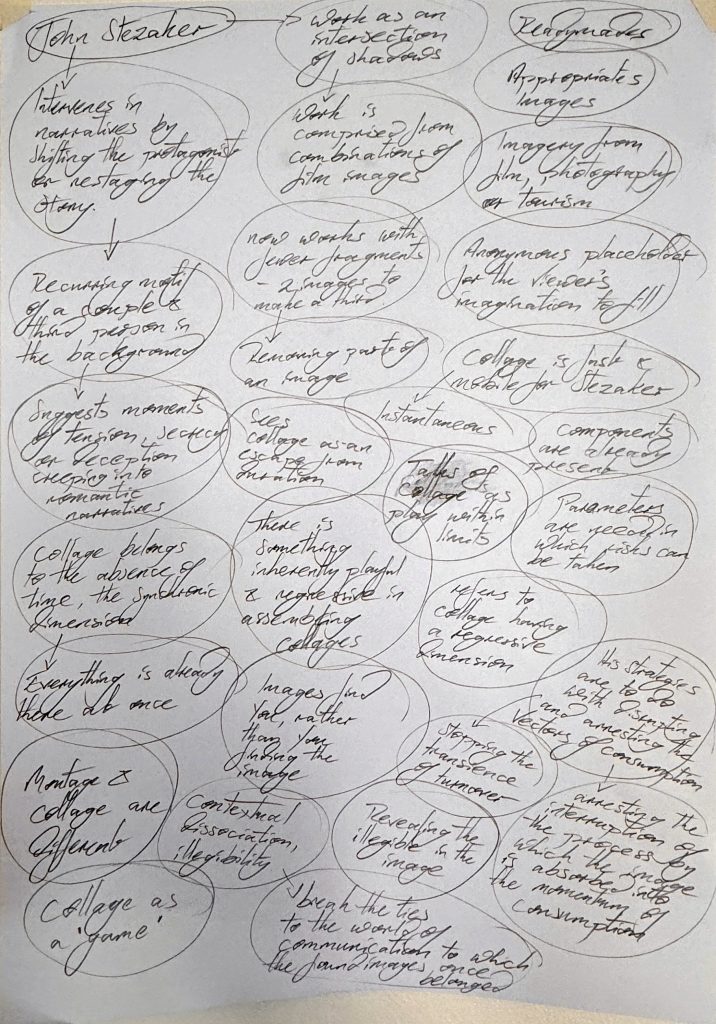
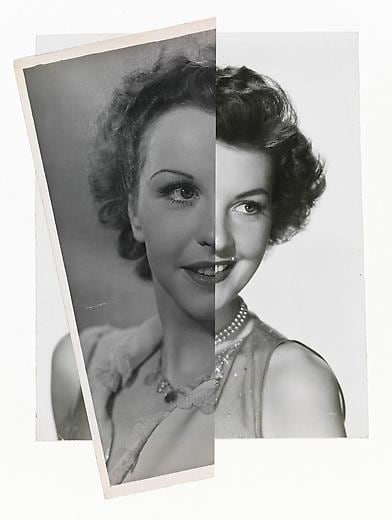
Fig.15. She (Film Portrait Collage) II (2008)
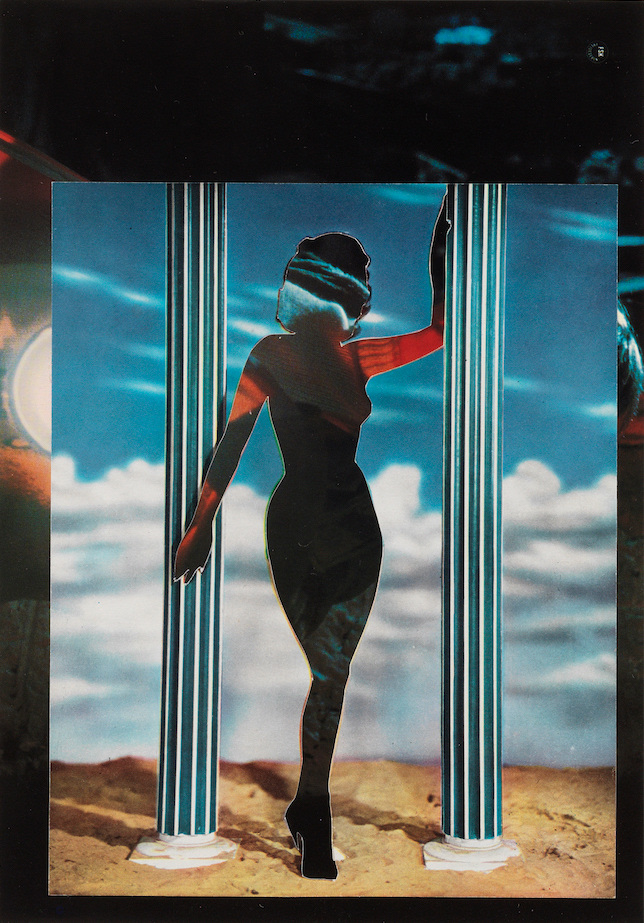
Fig.17. Between II (2018)
…the contours of the figures of masculinity and femininity, so sharply delineated in 1950s Hollywood images, are dissolved into strange and sometimes monstrous hybrids; uneasy pairings that seem to hover between worlds
The Approach, s.d.
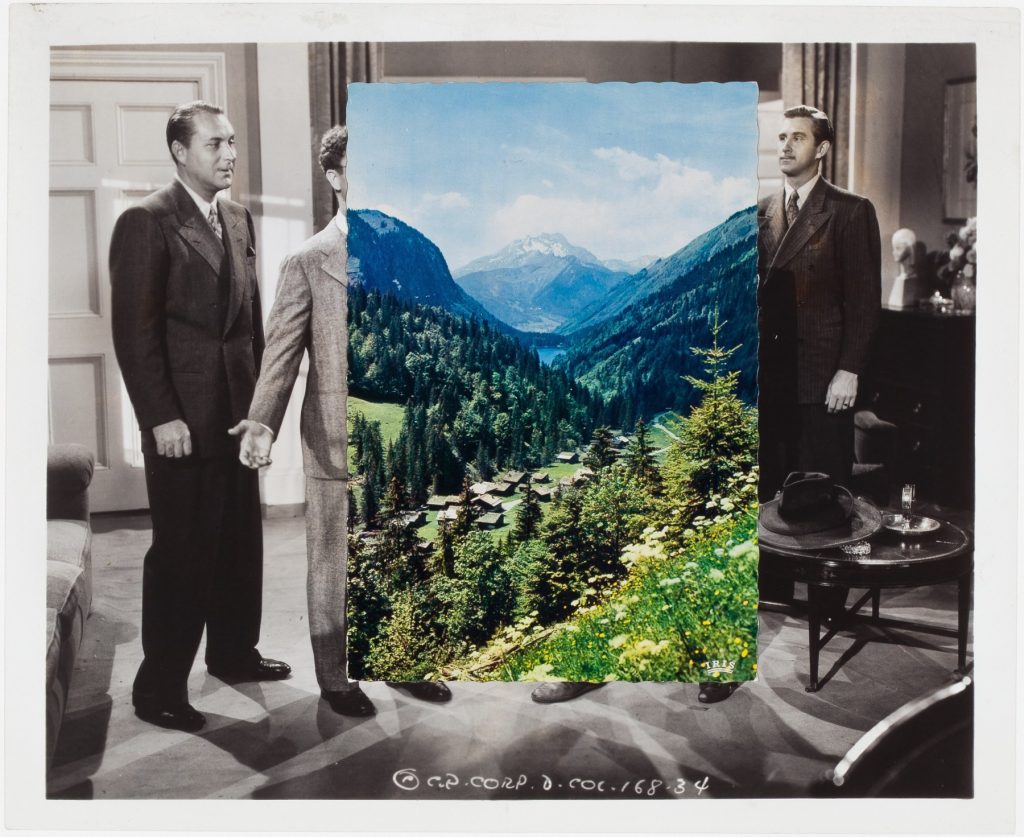
Fig.18. Valley I (2014)

Fig.19 Janus II (2018)
I love the instantaneity of collage. It’s almost always already there. The components are present from the start. There is none of the instrumental work of conception and construction. One is free of the constraints of end-orientated activity and thus liberated from the slavery of teleological thought, in other words freed from the boredom of everyday activity.
Stezaker s.d.
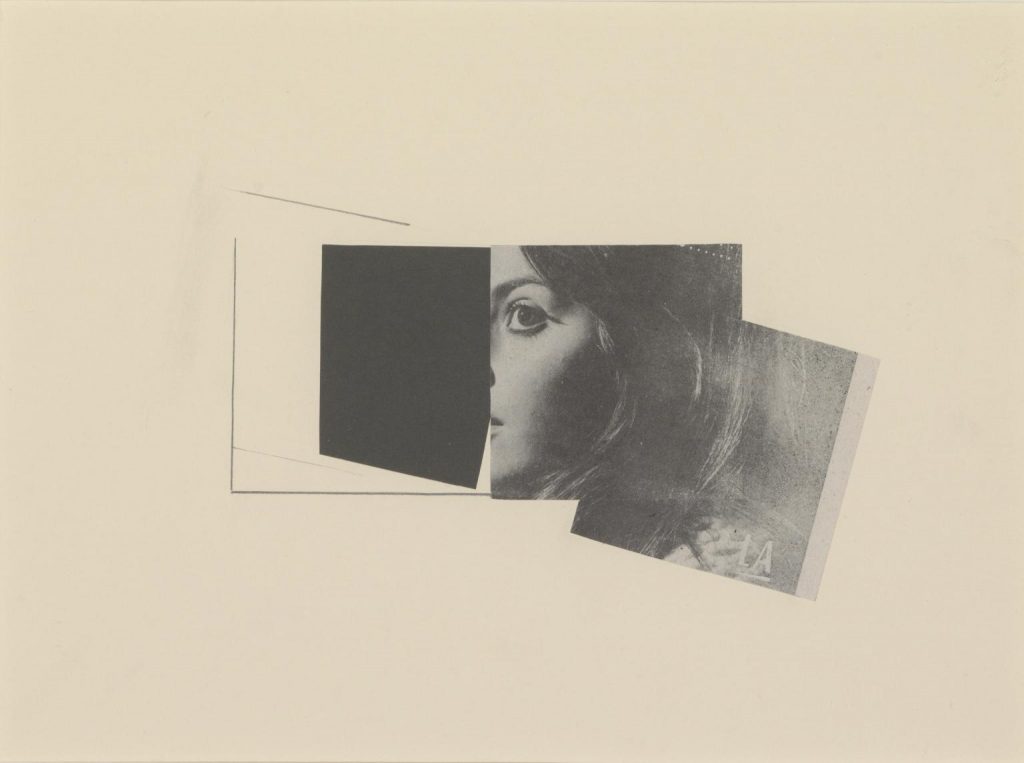
Fig.20. Untitled (Photoroman) (1977)
…the found image is at best an arrest of the transience of turnover and collage an interruption of the process by which the image is absorbed into the momentum of consumption
Stedaker, s.d.
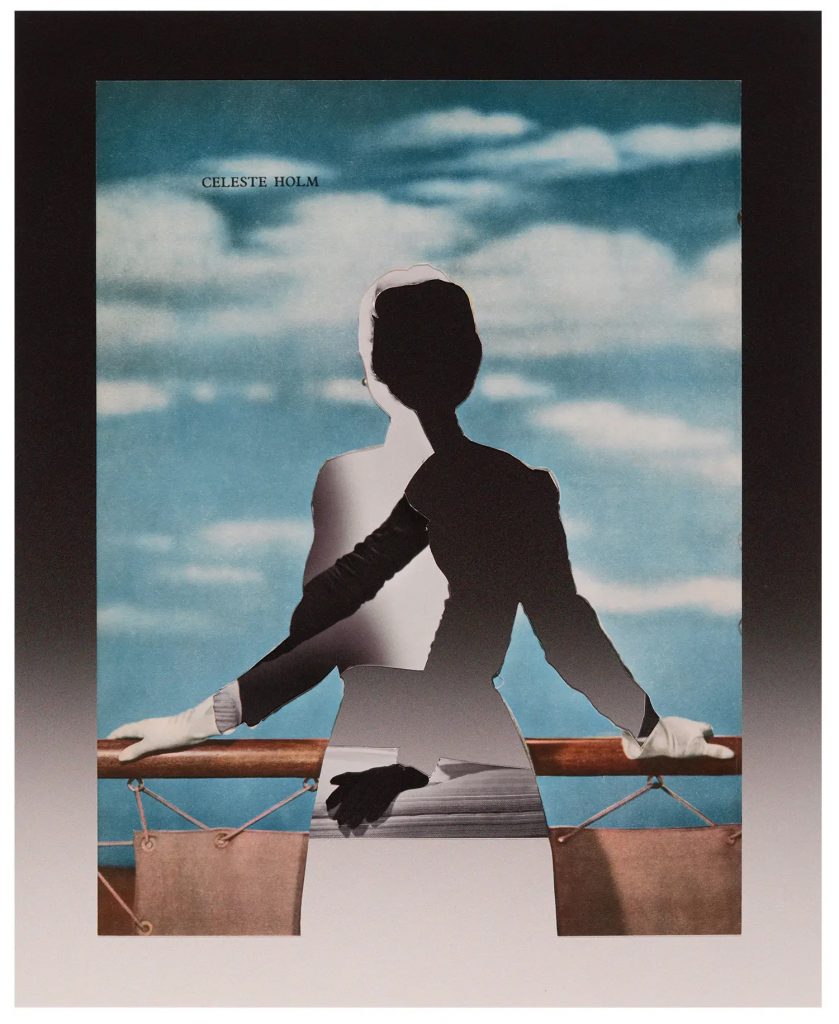
Fig.21. Double Shadow (The Glove) (2020)
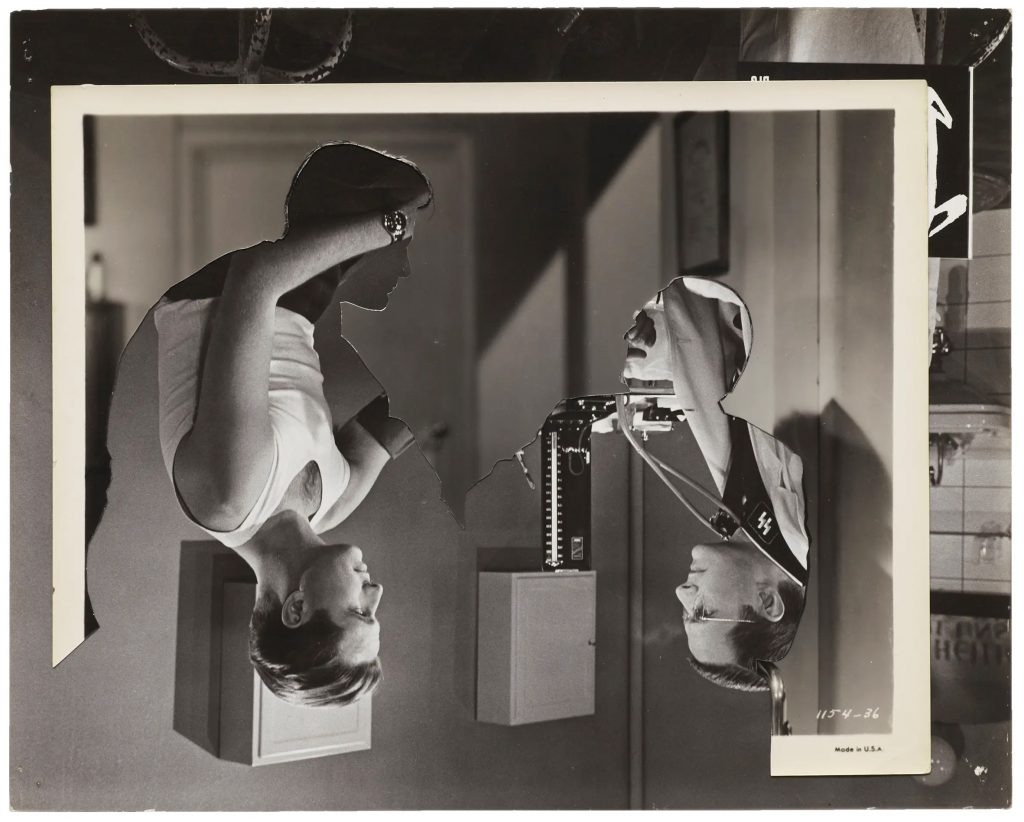
Fig.22. Double Shadow II (2014)
For me, collage is both mobility and stillness, becoming and being.
Stezaker s.d.
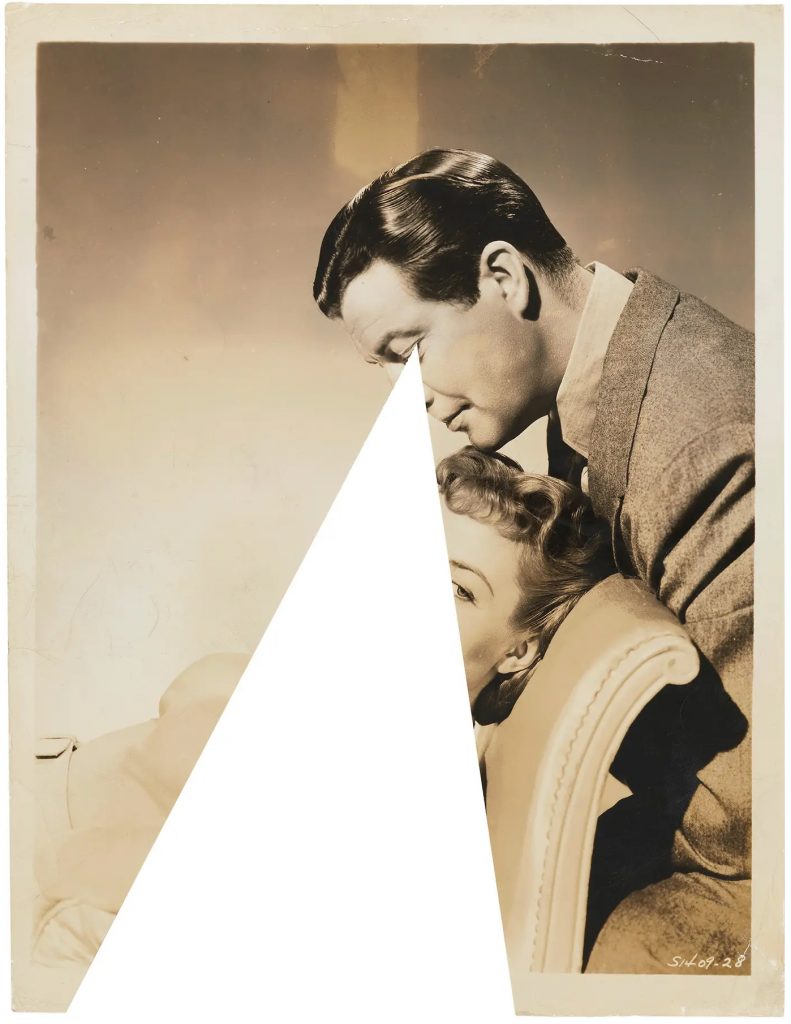
Fig.23. Untitled (2010)
There is something inherently playful and regressive in assembling collages and it mirrors the way children use the available detritus of the adult world to create their own miniature worlds.
Stezaker s.d.
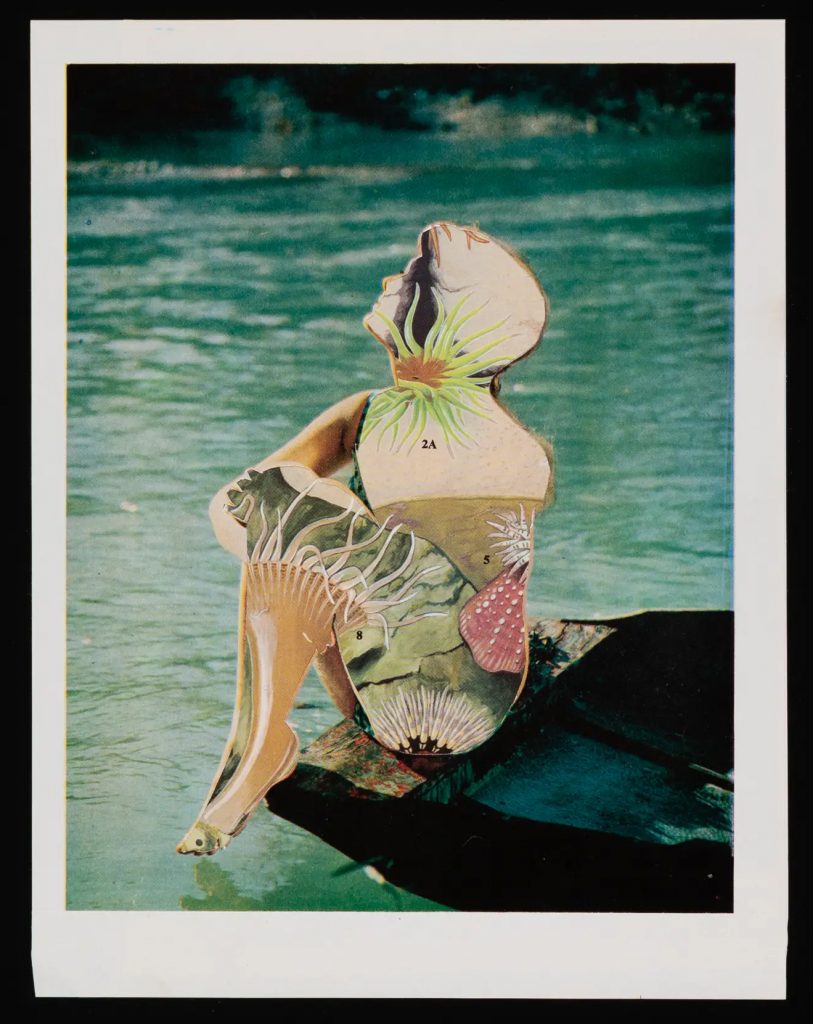
Fig.24. Spell [2024)
Deborah Roberts
Key observations
- Explores themes of race, identity and gender politics through a ‘person-of-colour’ lens.
- Again, cultural enquiry.
- Enquires into how the experience of being and growing up as a person of colour is shaped by societal pressures, projected images of beauty and masculinity, and the violence of US racism
- Similar to Himid, explores and challenges the representation of people of colour in the media – esp. children and young people
- Argues for a more inclusive and subjective understanding of visual culture
- Explores the problematic narratives defining American, African American and art history, narratives principally defined and enabled by the privileged white patriarchy
- Collage possibly reflects on the homogenisation of Black culture by White privilege
- Critique accepted typologies of the unified self, but also affirm the untold value of difference
- Her works challenge the viewer to begin to see themselves in the faces staring out from the paper
Roberts’ use of collage reflects the challenges encountered by young Black children as they strive to build their identity, particularly as they respond to preconceived social constructs perpetuated by the Black community, the white gaze and visual culture at large
Stephen Friedman Gallery s.d.
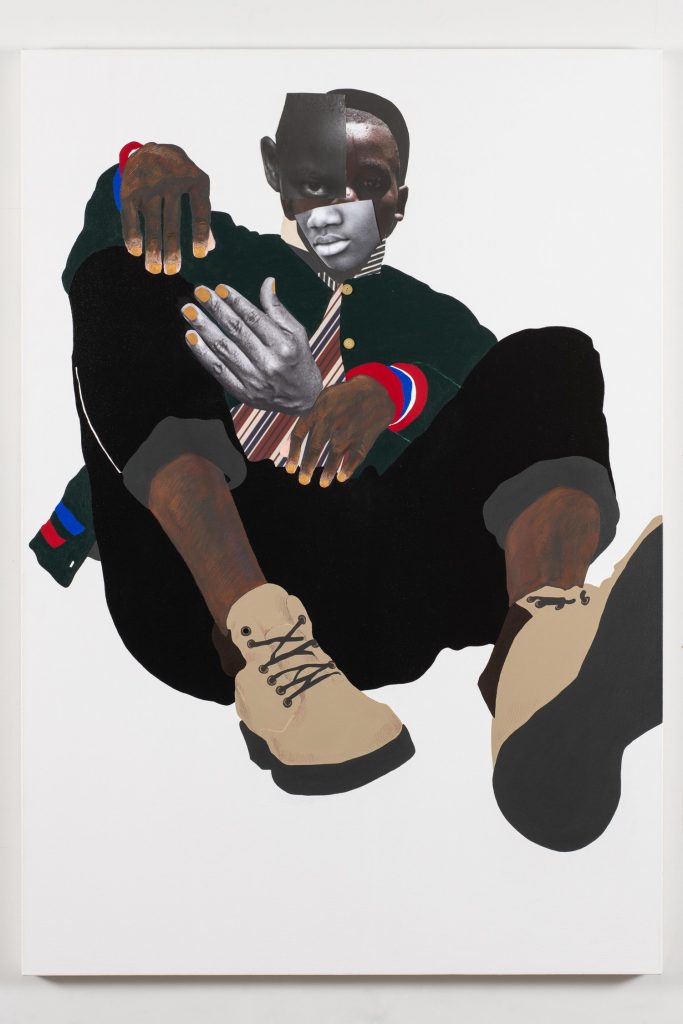
Fig.25. Jamal (2020)
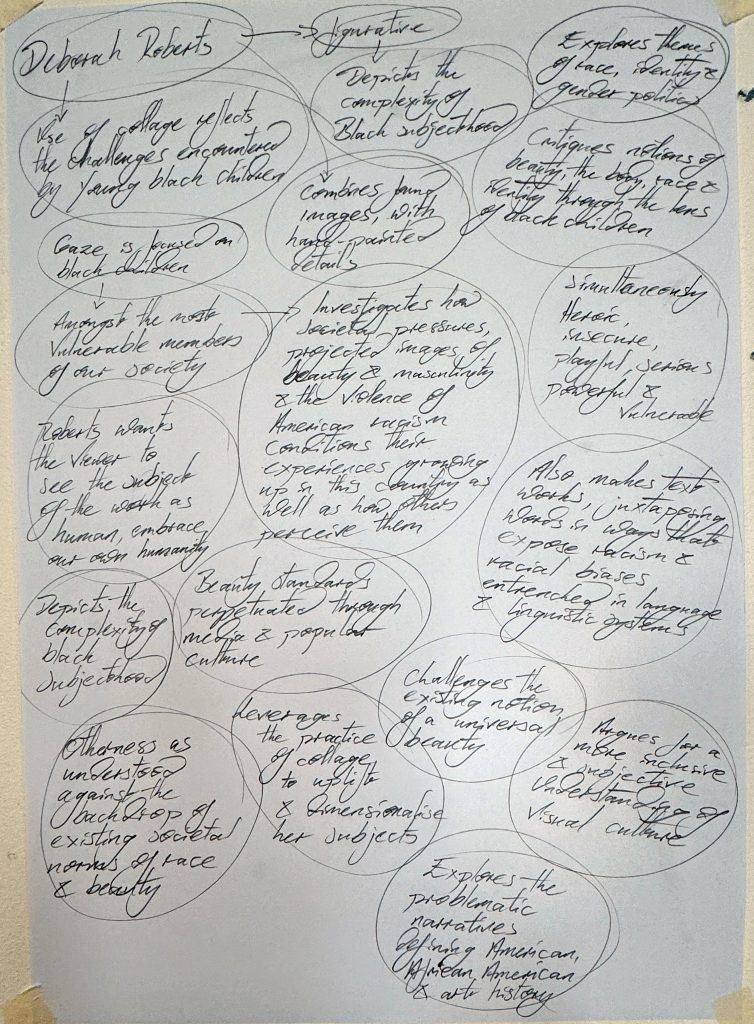
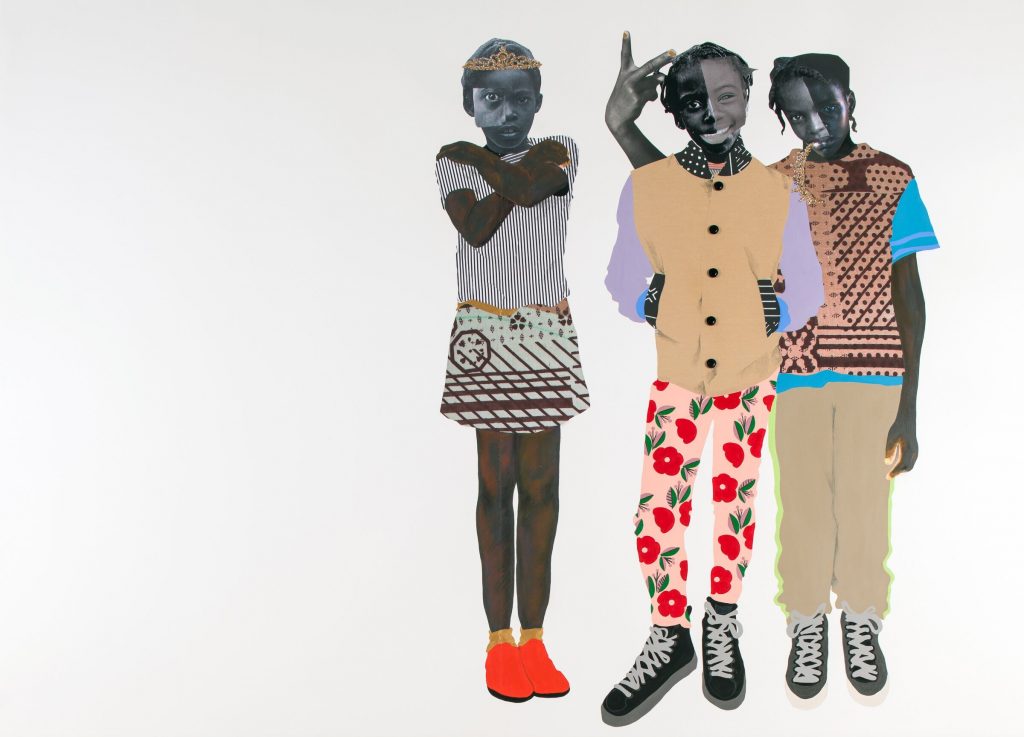
Fig.26. Between Them (2019)
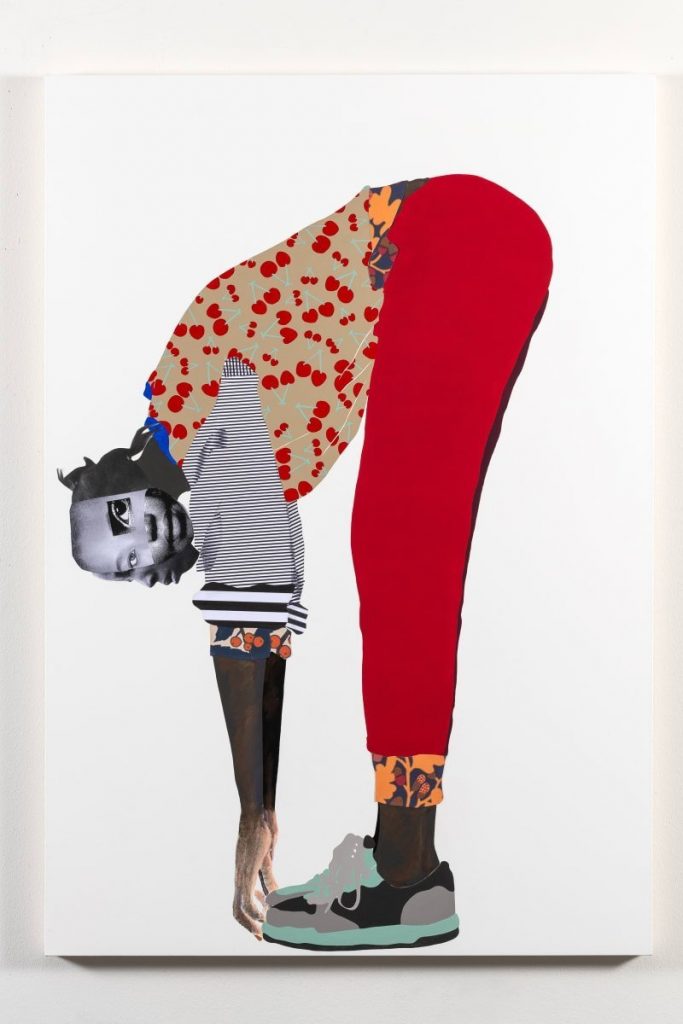
Fig.27. The Body Remembers (2022)
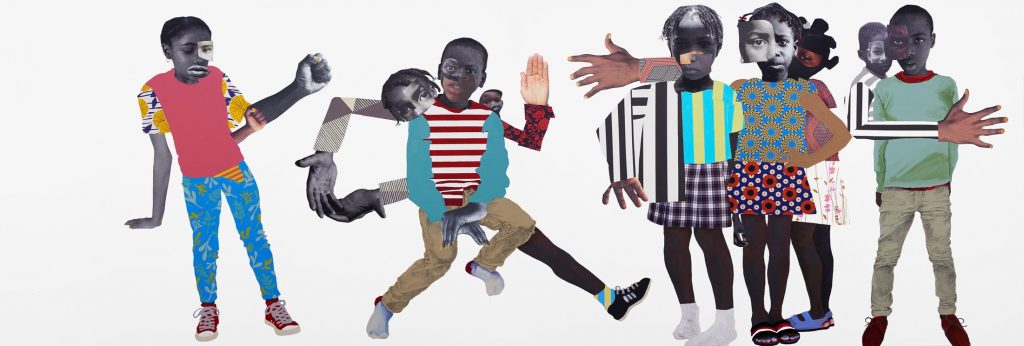
Fig.28. Let Them be Children (2018)
In her mixed-media works, artist Deborah Roberts acknowledges the syncretic nature of black female identity. Debunking societal definitions of ideal beauty and dress, as well as stereotypes of social media, she questions the construction of race and the racializing gaze endemic to Western culture. Her collages and text-based works not only articulate a critique of accepted typologies of the unified self but also affirm the untold value of difference
Marcoci, 2019
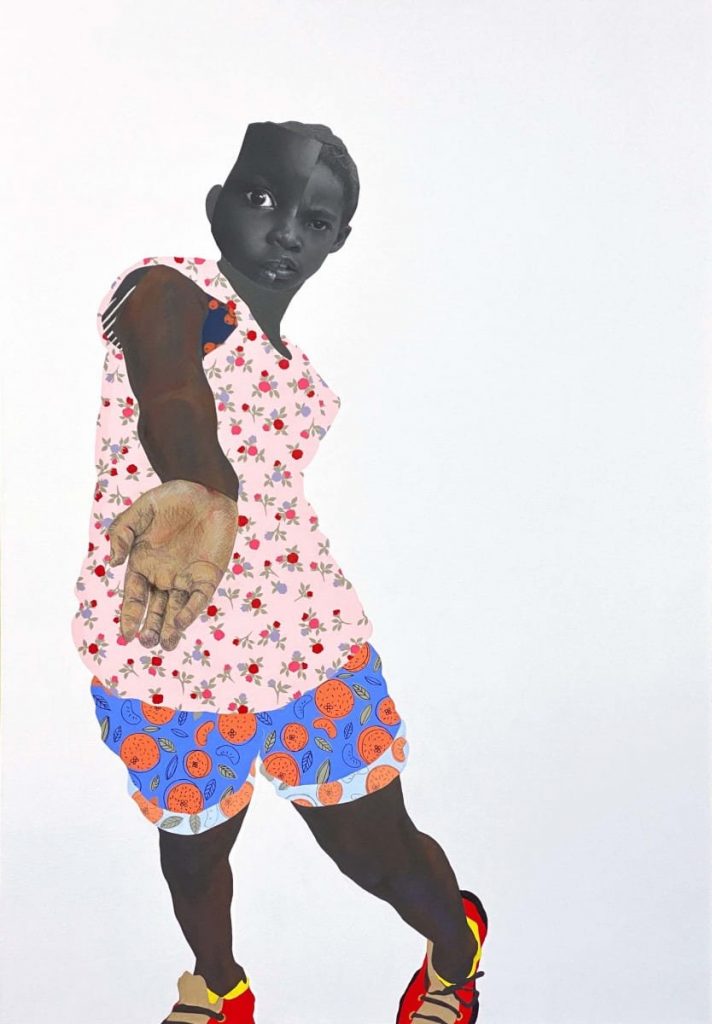
Fig.29. True Believer (2020)
If you can find yourself in her face, then you can see and embrace your own humanity. Once you see me as human, then we can coexist equally. That’s the basis of the work.
Roberts, 2021 cited in The Contemporary Austin 2021
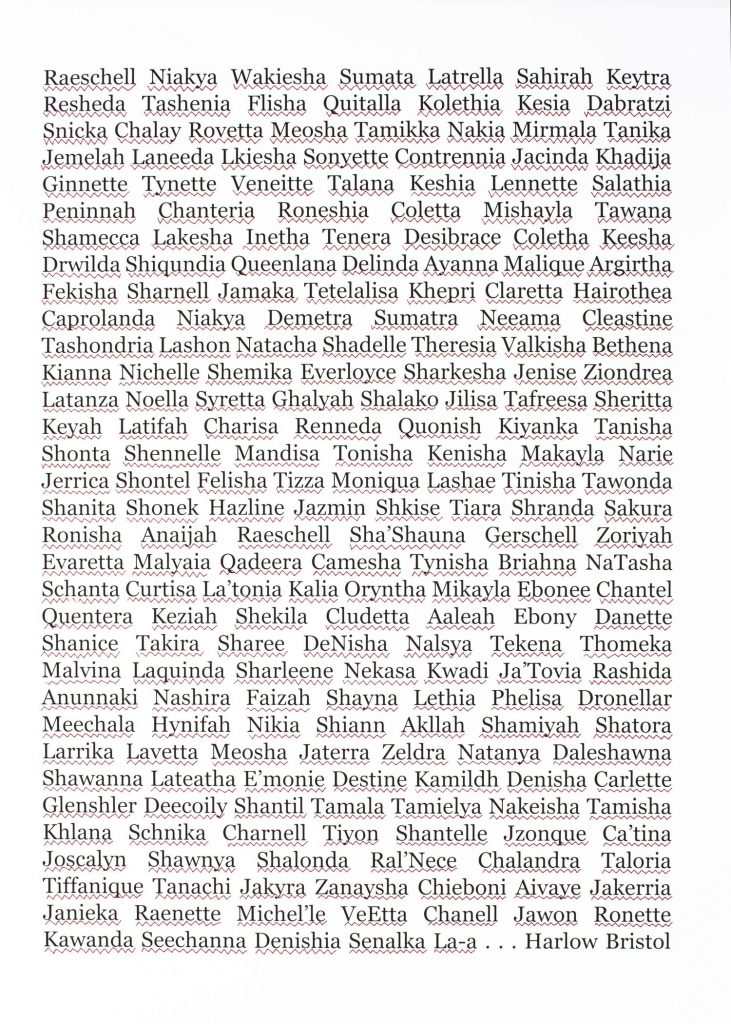
Fig.30. |Pluralism Series| (2016)
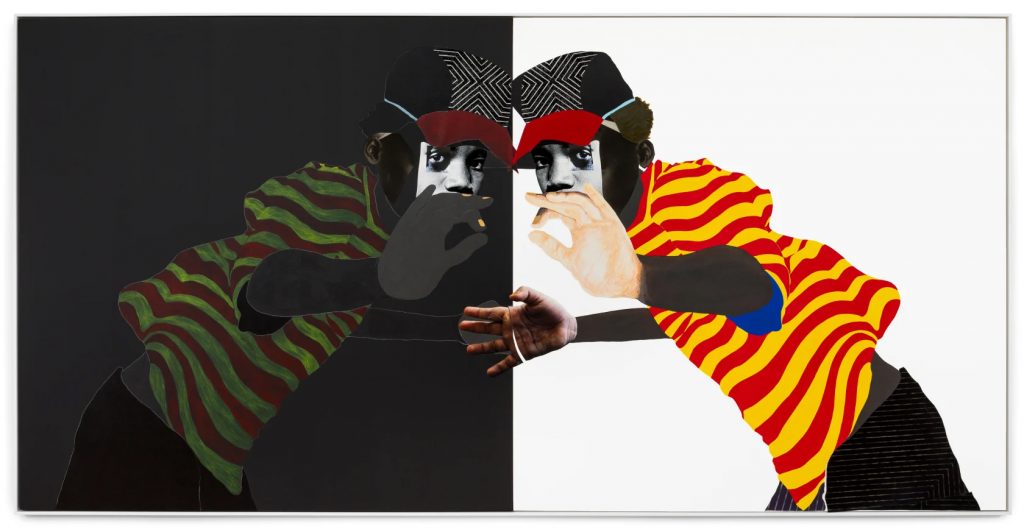
Fig.31. Tomorrow, Tomorrow and Tomorrow (2023)
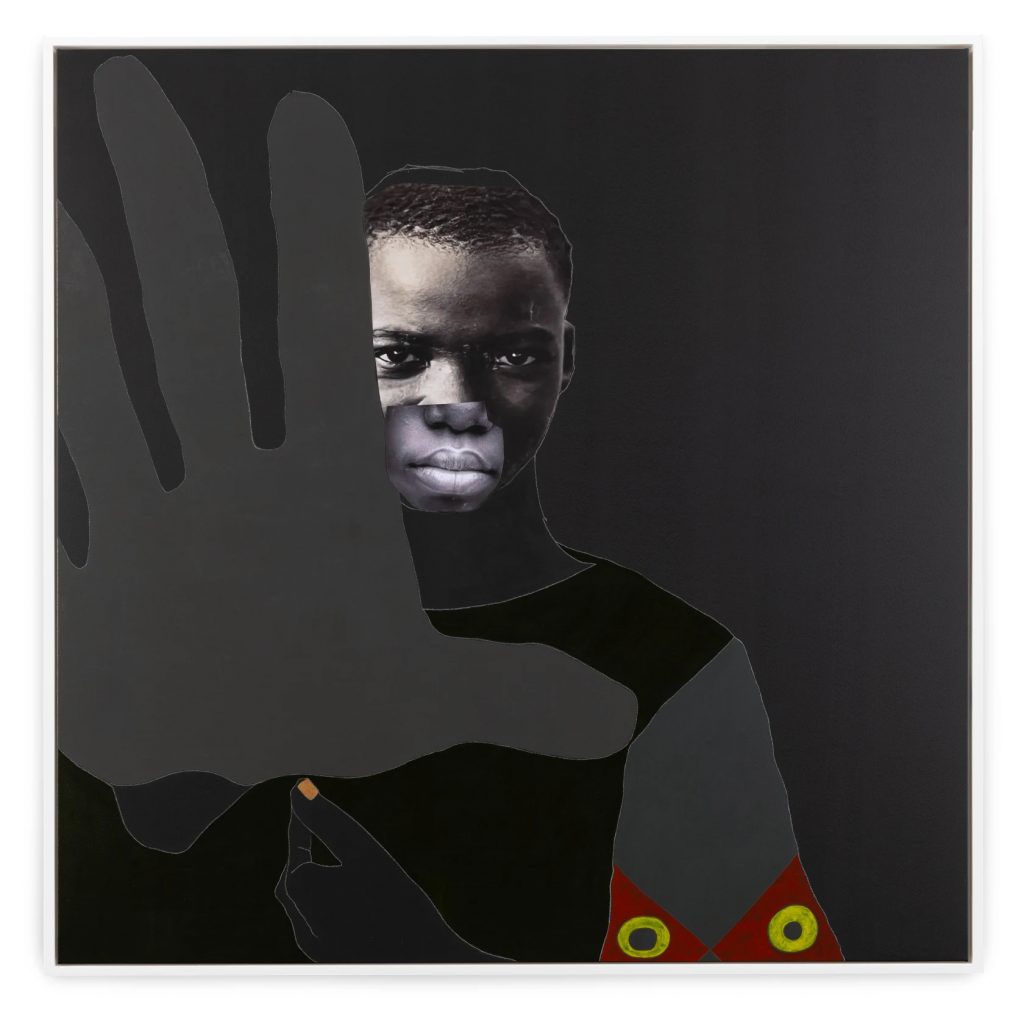
Fig.32. I’m starting with you (2023)
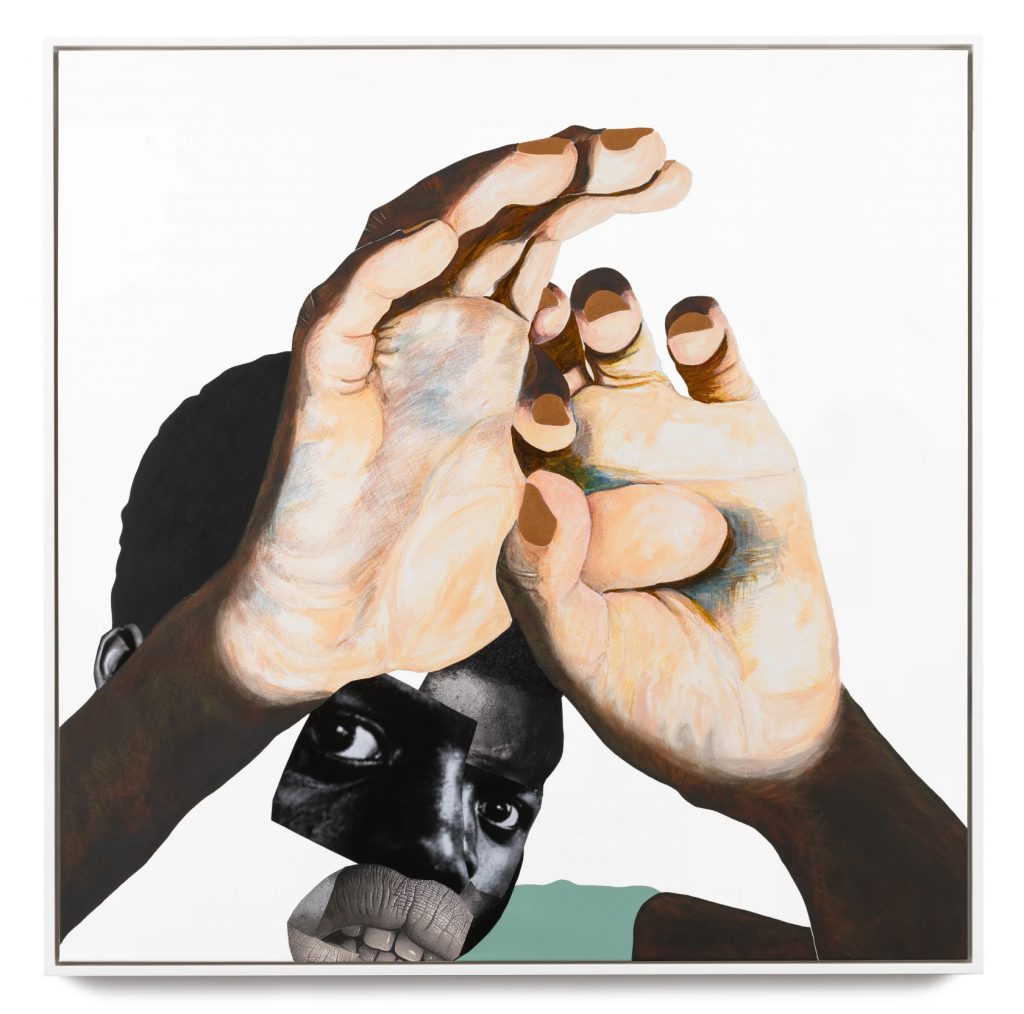
Fig.33. I come alone (2023)
John Heartfield
Key observations
- Collage as a vehicle to challenge the incumbent system – white, patriarchal, autocracy – Nazism, fascism
- Art as a political weapon
- Collaging of that systems propaganda to subvert and challenge that system
- Technically masterful, long before the advent of digital
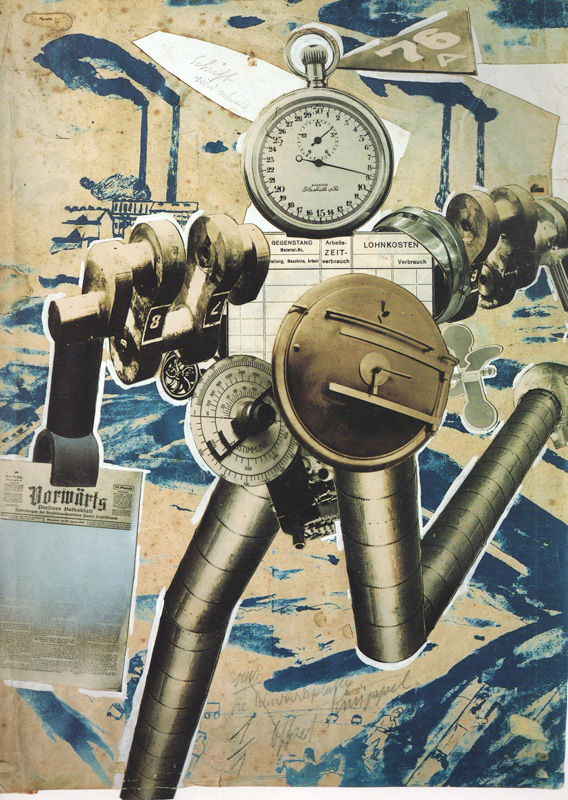
Fig.34. Die Rationalisierung marschiert! (Rationalization Is On The March!) (1927)
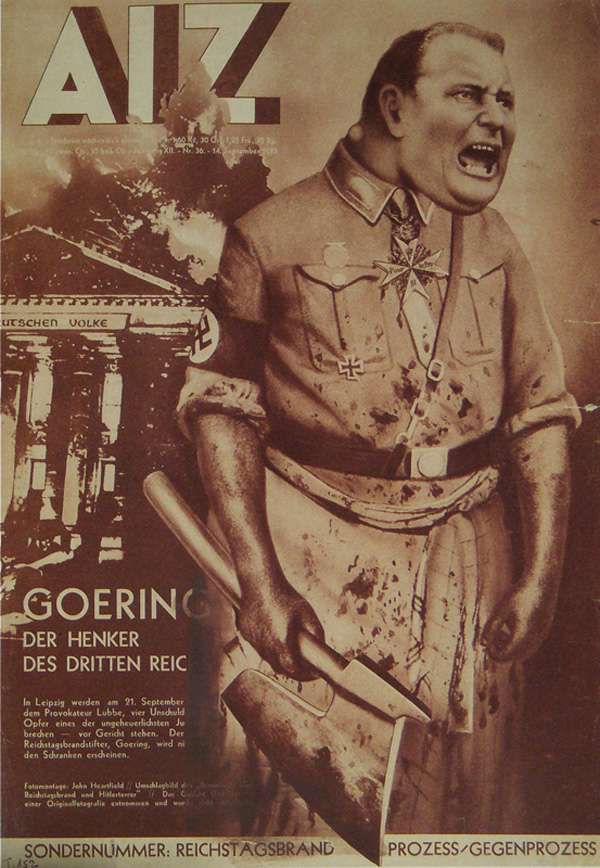
Fig.35. Göring: Der Henker des Dritten Reichs(Goering: The Executioner of the Third Reich) (1933)
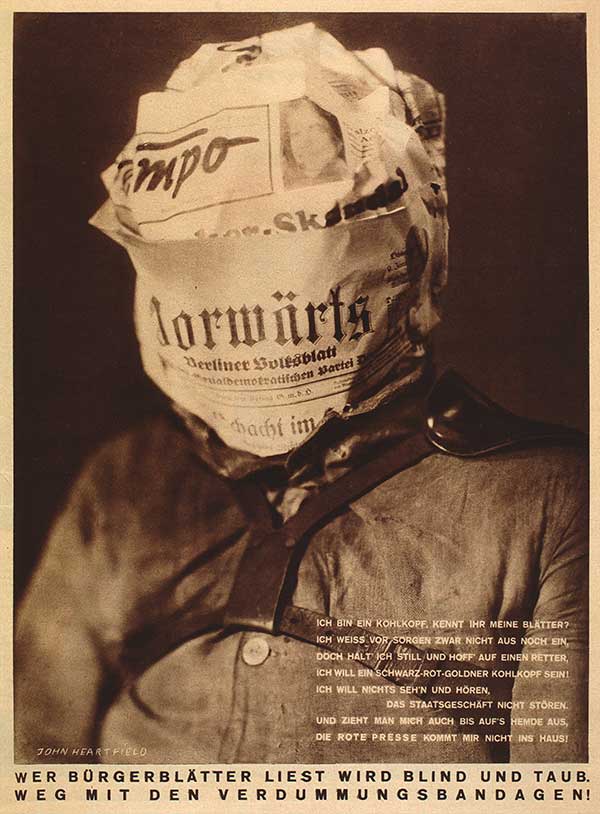
Fig.36. WER BURGERBLATTER LIEST WIRD BLIND UND TAUB.
WEG MIT DEN VERDUMMUNGSBANDAGEN!(WHO READS FAKE NEWS BECOMES BLIND AND DEAF.
AWAY WITH THE STUPID BANDAGES!) (1930)
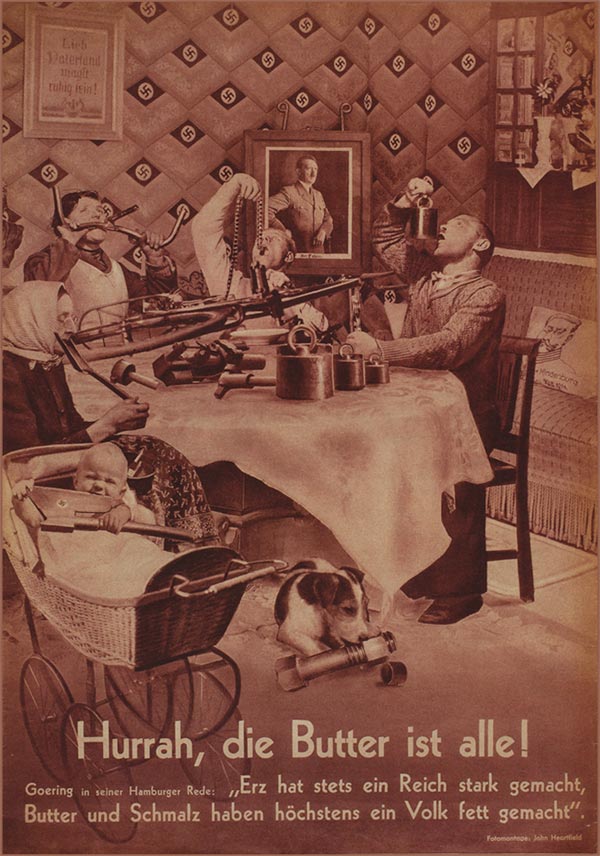
Fig.37. Hurrah, die Butter ist alle!(Hurrah, There’s No Butter Left!) (1935)
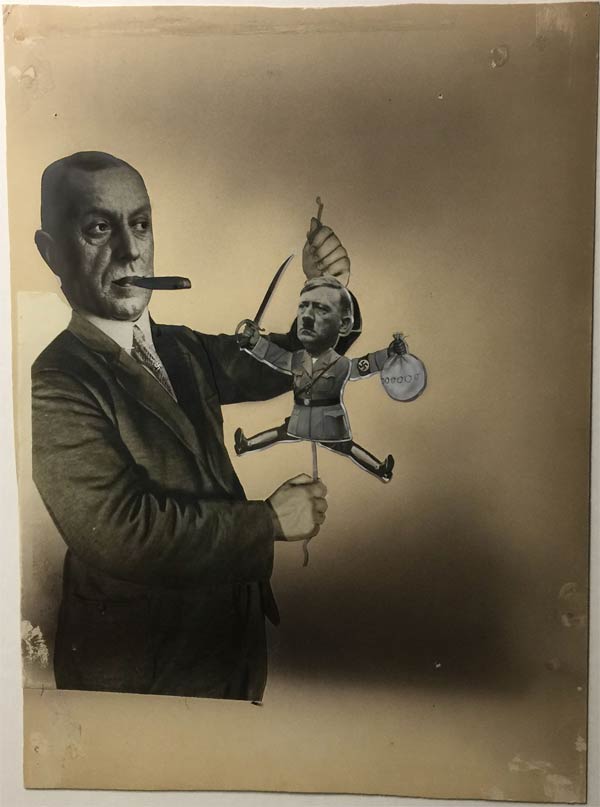
Fig.38. A Tool in God’s Hand? A Toy in Thyssen’s Hand!(Werkzeug in Gottes Hand? Spielzeug in Thyssens Hand!) (1933)
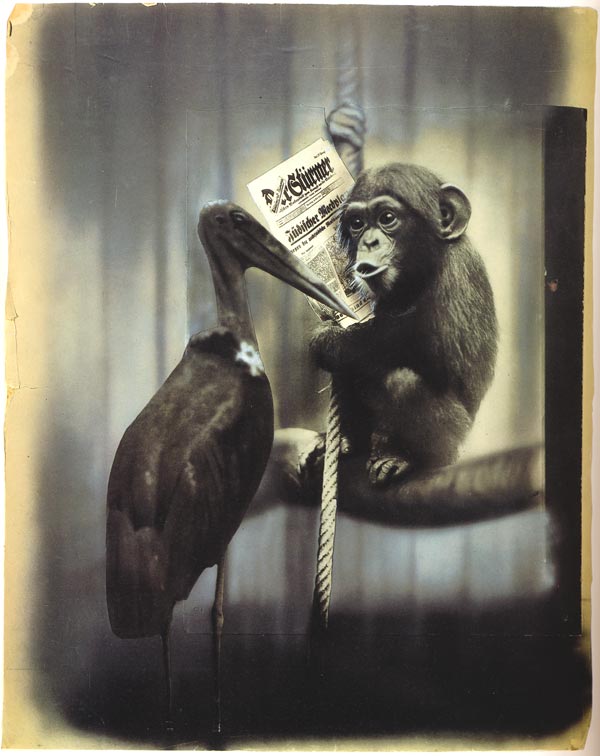
Fig.39. Gespräch im Berliner Zoo(Conversation In The Berlin Zoo) (1934)
Cut ups
The best writing seems to be done almost by accident but writers until the cut-up method was made explicit … had no way to produce the accident of spontaneity. You cannot will spontaneity. But you can introduce the spontaneous factor with a pair of scissors.
Burroughs, 1963:346
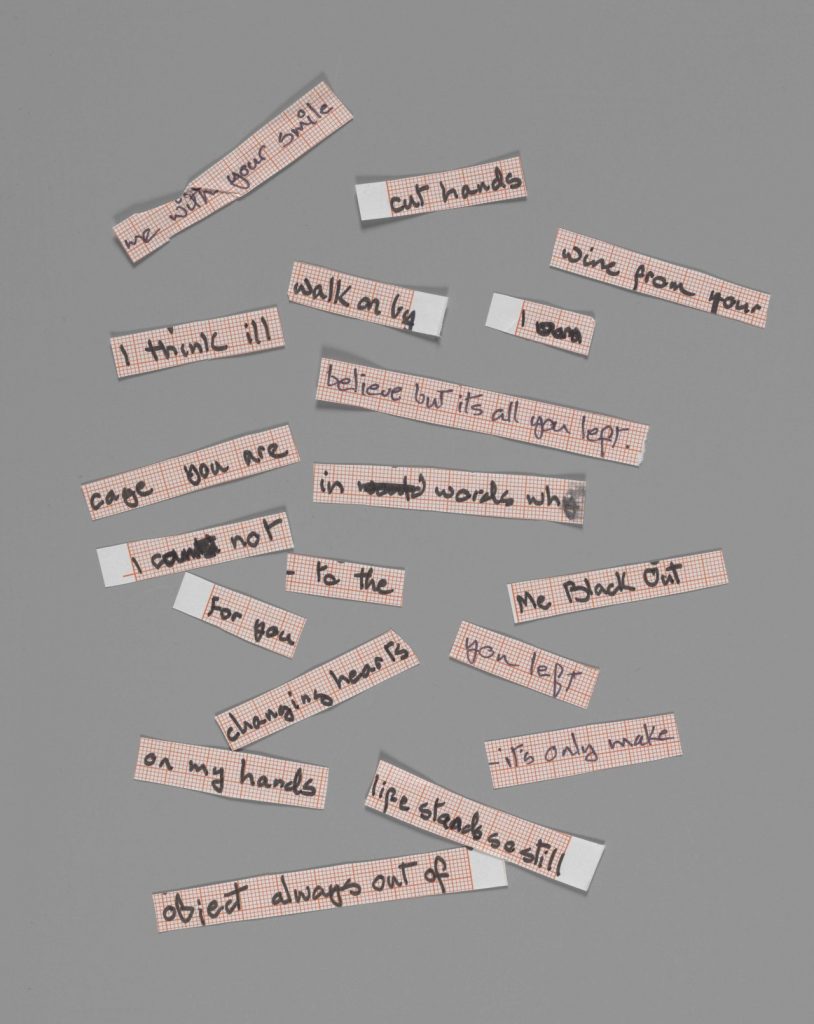
Fig.40. Cut-up lyrics for ‘Blackout’ (1977)
List of References
Burroughs, W.S. (1963) ‘The Cut Up Method’ In Jones, L (ed.) The Moderns: An Anthology of New Writing in America. New York: Corinth Books. pp.345 – 348
Jones, J (2015) ‘Peter Kennard review – a thrillingly grotesque montage of modern times’ In: The Guardian 12/05/2015 At: https://www.theguardian.com/artanddesign/2015/may/12/peter-kennard-review-imperial-war-museum (Accessed 10/08/24)
Kennard, P (2024) Archive of Dissent. Free Exhibition by Peter Kennard At: https://www.peterkennard.com/ (Accessed 10/08/24)
Marcoci, R (2019) ‘Young Heroines: Deborah Roberts’ In: Mousse 02/04/19 At: https://www.moussemagazine.it/magazine/deborah-roberts-roxana-marcoci-2019/ (Accessed 10/08/24)
Phaidon (s.d.) John Stezaker – Why I Make Collage At: https://www.phaidon.com/agenda/art/2023/May/04/john-stezaker-why-i-make-collage/ (Accessed 10/08/24)
Stephen Friedman Gallery (s.d.) Deborah Roberts At: https://www.stephenfriedman.com/artists/51-deborah-roberts/ (Accessed 10/08/24)
The Contemporary Austin (2021) Deborah Roberts: I’m. January 23 – August 15 2021 At: https://thecontemporaryaustin.org/exhibitions/deborah-roberts/ (Accessed 10/08/24)
The Approach (s.d.) John Stezaker At: https://www.theapproach.co.uk/artists/john-stezaker/about (Accessed 10/08/24)
Wikipedia (2024) Bricolage At: https://en.wikipedia.org/wiki/Bricolage (Accessed 10/08/24)
Wikipedia (2024) Collage At: https://en.wikipedia.org/wiki/Collage (Accessed 10/08/24)
Wikipedia (2024) Montage (Filmmaking) At: https://en.wikipedia.org/wiki/Montage_(filmmaking) (Accessed 10/08/24)
Wikipedia (2024) Photomontage At: https://en.wikipedia.org/wiki/Photomontage (Accessed 10/08/24)
Wikipedia (2024) Sound Collage At: https://en.wikipedia.org/wiki/Sound_collage (Accessed 10/08/24)
Bibliography
Armitstead, C (2018) ‘You keep telling me it’s a coincidence’: Lubaina Himid’s week at the Guardian’ in The Guardian 03/12/2018 At: https://www.theguardian.com/artanddesign/2018/dec/03/lubaina-himid-guardian (Accessed 05/08/24)
Cumming, L (2015) ‘Peter Kennard: Unofficial War Artist review – the king of political montage’ In: The Guardian 17/05/15 At: https://www.theguardian.com/artanddesign/2015/may/17/peter-kennard-unofficial-war-artist-review (Accessed 10/08/24)
‘I certainly opened up a conversation’: Lubiana Himid on her Guardian Residency – Video (2018) [Online Video] At: https://www.theguardian.com/artanddesign/video/2018/dec/03/i-certainly-opened-up-a-conversation-lubaina-himid-on-her-guardian-residency-video (Accessed 05/08/24)
Sierbien, K (2015) ‘Review of Peter Kennard: Unofficial War Artist, Imperial War Museum, London’ In: Aesthetica 06/08/2015 At: https://aestheticamagazine.com/review-peter-kennard-unofficial-war-artist-imperial-war-museum-london/ (Accessed 10/08/24)
Slocombe, R (2015) ‘Protest and survive: why Peter Kennard is political dynamite’ In: The Guardian 01/05/2015 At: https://www.theguardian.com/artanddesign/2015/may/01/blair-selfie-peter-kennard-political-dynamite (Accessed 10/08/24)
The Contemporary Austin (s.d.) Deborah Roberts: I’m. January 23 – August 15 2021 At: https://thecontemporaryaustin.org/exhibitions/deborah-roberts/ (Accessed 10/08/24)
List of Illustrations
Fig.1. Himid, L (2018) Random Coincidence [Photograph] At: https://www.theartnewspaper.com/2018/11/27/in-liverpool-lubaina-himids-show-questions-the-guardians-portrayal-of-black-people (Accessed 05/08/24)
Fig.2. Himid, L (2007-2009) Negative Positives [Photograph of paintings on paper] At: https://lubainahimid.com/portfolio/negative-positives/ (Accessed 05/08/24)
Fig.3. Himid, L (2007-2009) Negative Positives [Photograph of paintings on paper] At: https://lubainahimid.com/portfolio/negative-positives/ (Accessed 05/08/24)
Fig.4. Himid, L (2007-2009) Negative Positives [Photograph of paintings on paper] At: https://lubainahimid.com/portfolio/negative-positives/ (Accessed 05/08/24)
Fig.5. Kennard, P (1985) Cover of the New Statesman, January 11th [Photograph] At: https://www.peterkennard.com/print#/new-statesman/
Fig.6. Kennard, P (1983) Cover of the New Statesman, May 23rd [Photograph] At: https://www.peterkennard.com/print#/new-statesman/
Fig.7. Kennard, P (1990) Walter Benjamin [Photomontage] At https://www.peterkennard.com/photomontage#/portrait-1/ (Accessed 07/08/24)
Fig.8. Kennard, P (circa 1992) Albert Einstein [Photomontage] At https://www.peterkennard.com/photomontage#/portrait-1/ (Accessed 07/08/24)
Fig.9. Kennard, P (1986) Blood Money [Photomontage] At https://www.peterkennard.com/photomontage#/arms-conversion-1/ (Accessed 07/08/24)
Fig.10. Kennard, P (1989) Intruders [Photomontage] At https://www.peterkennard.com/photomontage#/torturesurveillance/ (Accessed 07/08/24)
Fig.11. Kennard, P (1980) Wired [Photomontage] At https://www.peterkennard.com/photomontage#/torturesurveillance/ (Accessed 07/08/24)
Fig.12. Kennard, P (1973) Racism in the UK [Photomontage] At https://www.peterkennard.com/photomontage#/fascism-1/ (Accessed 07/08/24)
Fig.13. Kennard, P (1973) The Kissinger Mind [Photomontage] At https://www.peterkennard.com/photomontage#/usa-1/ (Accessed 07/08/24)
Fig.14. Stezaker, J (2008) He (Film Portrait Collage) II [Collage] At https://www.petzel.com/artists/john-stezaker/works-in-private-and-public-collections#1 (Accessed 07/08/24)
Fig.15. Stezaker, J (2008) She (Film Portrait Collage) II [Collage] At https://www.petzel.com/artists/john-stezaker/works-in-private-and-public-collections#6 (Accessed 07/08/24)
Fig.16. Stezaker, J (2007) Untitled (Film Still Collage) III [Collage] At https://www.petzel.com/artists/john-stezaker/works-in-private-and-public-collections#9 (Accessed 07/08/24)
Fig.17. Stezaker, J (2018) Between II [Collage] At https://www.richardgraygallery.com/artists/john-stezaker (Accessed 07/08/24)
Fig.18. Stezaker, J (2014) Valley I [Collage] At https://www.richardgraygallery.com/artists/john-stezaker (Accessed 07/08/24)
Fig.19. Stezaker, J (2018) Janus II [Collage] At https://www.richardgraygallery.com/artists/john-stezaker (Accessed 07/08/24)
Fig.20. Stezaker, J (1977) Untitled (Photoroman) [Collage] At https://www.tate.org.uk/art/artists/john-stezaker-2000 (Accessed 07/08/24)
Fig.21. Stezaker, J (2020) Double Shadow (The Glove) [Collage] At https://www.theapproach.co.uk/artists/john-stezaker (Accessed 07/08/24)
Fig.22. Stezaker, J (2014) Double Shadow II [Collage] At https://www.theapproach.co.uk/artists/john-stezaker (Accessed 07/08/24)
Fig.23. Stezaker, J (2010) Untitled [Collage] At https://www.theapproach.co.uk/artists/john-stezaker (Accessed 07/08/24)
Fig.24. Stezaker, J (2024) Spell [Collage] At https://www.theapproach.co.uk/exhibitions/spell (Accessed 10/08/24)
Fig.25. Roberts, D (2020) Jamal [Mixed Media Collage on Canvas] At: https://www.deborahrobertsart.com/collage/y2mdnwqvrsu1mxb0ntghf4vg82iycd (Accessed 10/08/24)
Fig.26. Roberts, D (2019) Between Them [Mixed Media Collage on Paper] At: https://www.deborahrobertsart.com/collage/13zidqkiatbkdo7zmon5a08bpzv26q (Accessed 10/08/24)
Fig.27. Roberts, D (2022) The Body Remembers [Mixed Media Collage on Canvas] At: https://www.deborahrobertsart.com/collage/8yb5jy3e1p8dkzg3qc3fisnynk8un7 (Accessed 10/08/24)
Fig.28. Roberts, D (2018) Let Them be Children [Mixed Media Collage on Canvas] At: https://www.deborahrobertsart.com/paintings/wz40izxf50xf3t0s6tt8bvna35urvg (Accessed 10/08/24)
Fig.29. Roberts, D (2020) True Believer [Mixed Media Collage on Canvas] At: https://www.deborahrobertsart.com/paintings/zloxt7mck4rr1wz51c288mt8fpm98l (Accessed 10/08/24)
Fig.30. Roberts, D (2016) |Pluralism Series| [Serigraph on paper] At: https://www.deborahrobertsart.com/text/2017/9/9/sovereignty-series (Accessed 10/08/24)
Fig.31. Roberts, D (2023) Tomorrow, Tomorrow and Tomorrow [Acrylic, graphite, pastel, ink and collage on canvas] At: https://www.stephenfriedman.com/content/feature/1808/detail/artworks22109/ (Accessed 10/08/24)
Fig.32. Roberts, D (2023) I’m starting with you [Acrylic, graphite, pastel, ink and collage on canvas] At: https://www.stephenfriedman.com/content/feature/1808/detail/artworks22104/(Accessed 10/08/24)
Fig.33. Roberts, D (2023) I come alone [Acrylic, graphite, pastel, ink and collage on canvas] At: https://www.stephenfriedman.com/content/feature/1808/detail/artworks22106/ (Accessed 10/08/24)
Fig.34. Heartfield, J (1927) Die Rationalisierung marschiert! (Rationalization Is On The March!) [Collage] At: https://www.johnheartfield.com/John-Heartfield-Exhibition/john-heartfield-art/famous-anti-fascist-art/heartfield-posters-knuppel/heartfield-poster-rationalization (Accessed 10/08/24)
Fig.35. Heartfield, J (1927) Göring: Der Henker des Dritten Reichs(Goering: The Executioner of the Third Reich) [Collage] At: https://www.johnheartfield.com/John-Heartfield-Exhibition/john-heartfield-art/famous-anti-fascist-art/heartfield-posters-aiz/alternate-facts-propaganda-nazi (Accessed 10/08/24)
Fig.36. Heartfield, J (1930) WER BURGERBLATTER LIEST WIRD BLIND UND TAUB.
WEG MIT DEN VERDUMMUNGSBANDAGEN!(WHO READS FAKE NEWS BECOMES BLIND AND DEAF.
AWAY WITH THE STUPID BANDAGES!) [Collage] At: https://www.johnheartfield.com/John-Heartfield-Exhibition/john-heartfield-art/famous-anti-fascist-art/heartfield-posters-aiz/fake-news-heartfield-blind-media (Accessed 10/08/24)
Fig.37. Heartfield, J (1935) Hurrah, die Butter ist alle!(Hurrah, There’s No Butter Left!) [Collage] At: https://www.johnheartfield.com/John-Heartfield-Exhibition/john-heartfield-art/famous-anti-fascist-art/heartfield-posters-aiz/butter-is-all (Accessed 10/08/24)
Fig.38. Heartfield, J (1933) A Tool in God’s Hand? A Toy in Thyssen’s Hand!(Werkzeug in Gottes Hand? Spielzeug in Thyssens Hand!) [Collage] At: https://www.johnheartfield.com/John-Heartfield-Exhibition/john-heartfield-art/fascist-financing-puppet-politicians (Accessed 10/08/24)
Fig.39. Heartfield, J (1934) Gespräch im Berliner Zoo(Conversation In The Berlin Zoo) [Collage] At: https://www.johnheartfield.com/John-Heartfield-Exhibition/john-heartfield-art/famous-anti-fascist-art/heartfield-posters-aiz/political-art-against-bigotry (Accessed 10/08/24)
Fig.40. Bowie, D (1977) Cut up lyrics for “Blackout” from Heroes, 1977 © The David Bowie Archive 2012, Image © V&A Images [Photograph] At: https://www.zinzin.com/observations/2013/bowie-and-burroughs-systematic-derangement/ (Accessed 10/08/24)