

Sunday 11th Aug: Beginnings
Where to start?
Thinking of the themes, germinations!!
Where to start?
I’m stuck with a desire to be able to visualise an end result when all I need to do is begin a process. Then I let process guide me.
I’m trying not to head to the obvious – US politics, Trump, UK politics, the riots across the country, Ukraine, China. I suspect they will all rear their heads in this exercise in some way.
Do I start with the concept first, or do I start with the images?
To have a sense of the images I want to juxtapose, to use, I would have to have a sense of what I want to discuss. I think of Stezaker’s assertion…
Improvisatory is not a concept I associate with collage, or at least not my collages.
Stezaker, s.d.
…which confirms to me that collage, like all art, should ideally begin from a conceptual perspective, not from a purely visual.
It’s early days, but I seem to be doing more writing than making at the moment – a legacy of Visual Culture!
The themes that I keep coming back to in my head are ‘Patriarchy‘, ‘Privilege‘, how they continue to define what a man should be, which is possibly the root cause of ‘Toxic Masculinity‘. I am a white, middle-class, heteronormative man, which, in the current climate, I am ashamed of and afraid of being, because of those specific ingrained societal ideologies that are constantly at play.
How do I layer Feminism into this project, on top of these ‘germinations’?
There is the way that society holds women to different ‘standards’ and expectations than men, more objectifying, more prurient, more oppressive standards. What if men were held to the same? There is something there to be followed possibly?
There is the ridiculousness of the modern sense of masculinity that I possibly want to address?
I keep thinking of the way that masculinity has been represented, has been ‘worshipped’ in pre-20th century art in comparison to the way that women have been objectified. I’m nascently mindful of the gender fluid peoples of the world – how are they being represented?
So lots of thoughts flowing, congealing, conflicting.
I think my first step is just to collect images that resonate with me, that seem to connect with those ‘germinations’ I have written about above.
Monday 12th August
Mulling on a lot over night. And that is the problem – trying to think my way to a solution that explores and connects those threads I have mentioned previously –‘Patriarchy’, ‘Privilege’, ‘Toxic Masculinity‘, ‘Feminism’. From the reading I have been doing over the past few years and the discussions I have with my partner, a psychotherapist, I intrinsically and intellectually understand their connection, but addressing that creatively…I don’t yet have a clear route, I am not sure what I want to say about them at the moment. But that is fine. I need to use practice, making (not just writing!) as a means of research, as a way of thinking about those strands, as a means of exploring the connections, the gaps, discovering the nuances, finding possibilities. Exploration is (and this is very clichéd) a journey, and process is the vehicle for that journey.
I also want to address the divergence from the exercise brief – “choose 1 or 2 current affairs or news items as a starting point”. The idea of engaging directly with a specific news event doesn’t overly resonate with me at the moment: they are limiting and time-bound. I feel a more powerful pull (unfocused and unshaped at the moment) towards finding a way to discuss my feelings, my thoughts about the bigger structural issues endemic in societies. Besides, patriarchy, masculinity, toxic masculinity & privilege are often, if not always, at the root of those news or current affairs events. Bringing awareness to and addressing those structural issues, especially through the power of feminist discourse, is, in my opinion, a route to building more inclusive, oppression-free, equality based societies.
And so, I initiated process, (following the advice given by John Akomfrah – “Don’t wait: there are no mistakes), in the limited time I had tonight, I created a couple of quick experiments, purely to put a shape around a vague idea I had floating around.
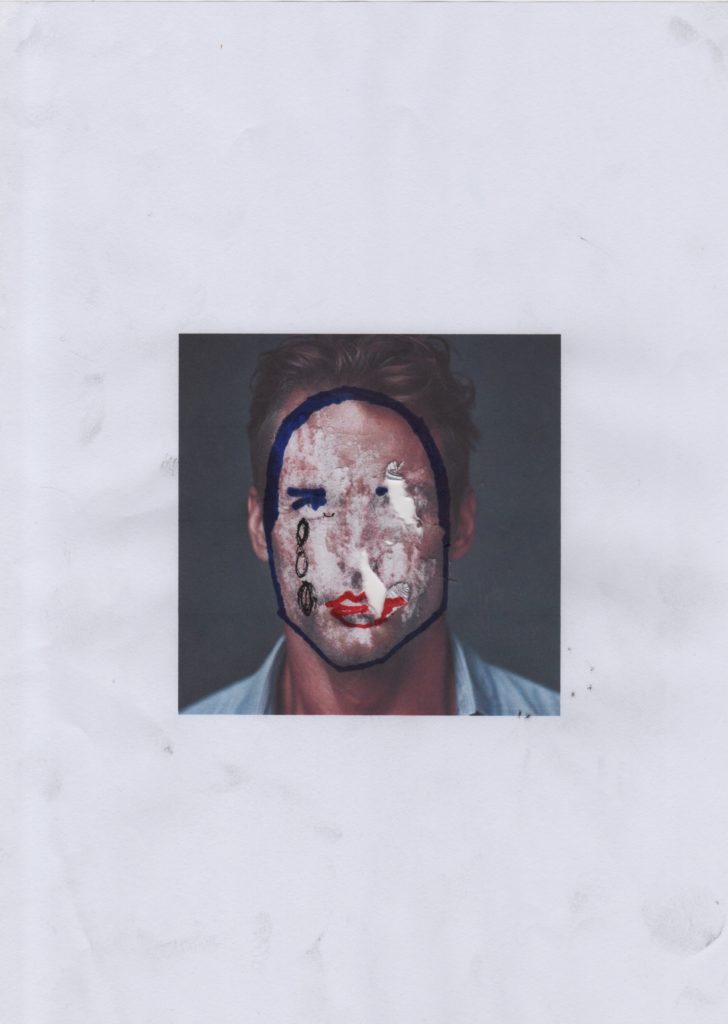
‘Untitled’ (print out of AI generated photo, sandpapered, drawn on with a sharpie)
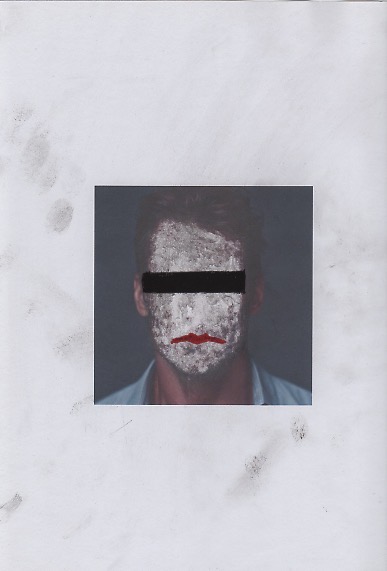
‘Untitled’ (print out of AI generated photo, sandpapered, drawn on with a sharpie)
“The masculine beauty ideal is a set of cultural beauty standards for men…ingrained in men from a young age to increase their perceived physical attractiveness. Masculine beauty ideals are mainly rooted in heteronormative beliefs about hypermasculinity, but they heavily influence men of all sexual orientations and gender identities”
Wikipedia, 2024
Mosher and Sirkin operationally define hypermasculinity or the “macho personality” as consisting of three variables:
Wikipedia, 2024
– The experience of danger as exciting
– Callous sexual attitudes toward women
– The belief that violence is manly
These heteronormative beliefs about hypermasculinity are a product of patriarchal ideologies that dominate the structure of world societies: these beliefs are promoted as being formative aspects of the way a man ‘should be’ in the world. It is these patriarchal ideologies that “believes man to be superior by virtue of his sex, but it also values masculine gender, which is the manner of formulating a ‘male self”(Jablonka, 2023:55). These beliefs propagate the structural binary gender roles deeply embedded in society. But they are beliefs that fuel toxic masculinity, that underpin the systemic oppression of women, of minorities and those not deemed masculine enough. And they are beliefs that have considerable negative impacts on men and their mental wellbeing when they are unable to meet the designated masculine criteria. These are beliefs that are false, unattainable – should not be attained – and detrimental to society.
These two quickly and scrappily realised works are a very early experiment in trying to disavow the signifiers of masculinity – the chiseled jaw, the emotional detachment, the high cheekbones, the perfect skin, the balanced, unblemished face. I wanted to begin thinking about what is the truth of being a man in the 21st century. I am not sure that this is an idea that makes sense, in that I am not fully sure what I am trying to discuss: but that’s why I am making, to try and uncover the discussion. It’s a bit like being a detective, piecing together what appear to be random pieces of evidence until a detailed picture of the crime is revealed, only for me, I am creating the evidence and there is no crime, just a narrative that needs discovering.
My making was predicated on several smaller thoughts:
- I deliberately chose an AI generated image of a handsome, rugged man to suggest that the masculine beauty ideal is, for most men, an unattainable fiction
- Sanding away this face in both experiments – something that I started with the intent of merely removing the printed layer, and progressed to me willingly rip-rubbing through the paper – was intended to both suggest that this ideal doesn’t really exist, and to hint at looking beyond the surface that is the face
- I am not overly certain of why I then drew over the sandpapered faces, it was predominantly somatically driven desire – I felt the need to describe other faces that weren’t perfect, beautiful, that were suggestive of a man’s true interior world, the hidden trauma that so many deal with, the repression of emotions by hyper-masculine emotions: begin indicating what is really there, under the surface of the face
- As for the scale and materials I chose, A4 printer paper, the image centralised filling a quarter of the paper, drawing quickly with sharpies – again these were very much somatically driven choices, which at present I can’t intellectualise clearly: I just have a vague sense I am beginning to unravel the string as I enter the labyrinth.
Sat 17th August: Misdirections
Two days of frustration, trying to find more on this route forward, only to create work I feel is derivative and unsophisticated. I haven’t really gotten a handle on how to represent the themes, however I’m ok with that as I am only researching: the whole of this exercise is about experimenting, trialing, investigating – I am not intending to produce a finalised piece of work. The outcomes are, for me, identifying where this way of working and the themes I am beginning to explore are taking my process.
Overnight, I mulled on exploring toxic masculinity through professions and practices that have a tacit association with the negativity of being male – soldiers, law enforcement, truck drivers (think of the foul mouth truck driver in Thelma and Louise) – but as my partner pointed out, there are many non-toxic men that willingly choose those professions.
Other overnight thoughts centred around the idea that everyone – men for the context of this research – are constantly dealing with some form of embodied negative pattern or trauma that has developed across their lives. These are patterns or traumas that get stuck, that become part of daily existence, that an individual isn’t necessarily consciously aware off.
I had a sense of transposing the heads of children, of crying, fearful, anxious babies onto the bodies of adult men engaged in masculine activities to suggest, that inherent every grown man is a small, scared, angry, upset or anxious child that is hidden, not accepted and not recognised, that there are feelings and emotions that are repressed by patriarchy, privilege and toxic masculinity: that we as men are repressing and hiding the truth of our natures.
This naturally led me to create the images below, of the bodybuilder and the soldiers waiting to be deployed. Bodybuilding is something I have always held as an exemplar of toxic masculinity, as it represents a striving towards an unrealistic, unnatural physique, often enabled by unhealthy drug taking. Put front and centre by the media, especially the film industry, male muscularity has established a signifier for a certain definition of masculinity, one that encompasses and promotes the specifically hypermasculine spectrum of traits, to the detriment of the reality of being a man.

‘Bodybuilder‘ (Photocollage on A4 watercolour paper)
As Ivan Jablonka states in his book ‘A History of Masculinity’ (2023: 55) “…masculinity takes concrete form in bodies, rites and institutions”, the military being one institution where it, specifically the patriarchal ‘masculinity of domination’ (ibid), is expressed
My image ‘Soldiers‘ endeavours, albeit in an obvious and contrived way, to express what many of the soldiers, who underpin the institution of the military and that masculinity of dominance, will truly be experiencing before the heading off to fight – not glory or pride at representing their country, but fear, sadness, anxiety, anger for the people sending them to their possible deaths. The original black and white image offered a lot of potential, I was clumsy in my attempts to utilise it within my chosen context.
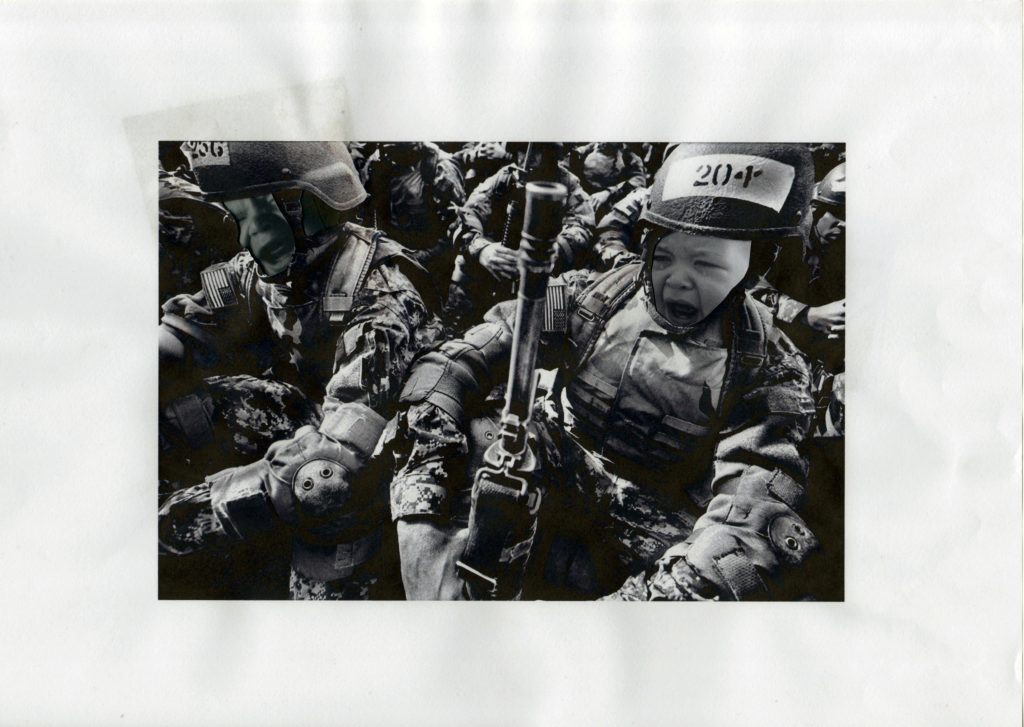
Soldiers (photocollage on A4 photopaper)
This thread drifted to a stop. But another surfaced, one that wanted to discuss the different physical expectations society have of women and men. Again, I feel its visual realisation was obvious juxtaposing half a painfully thin catwalk model against half a heavily muscled man, her sullen, sunglasses-hidden-eyed, downward looking gaze a contrast to the heavens-focused gaze and almost-worship demanding raised arm of the bodybuilder.
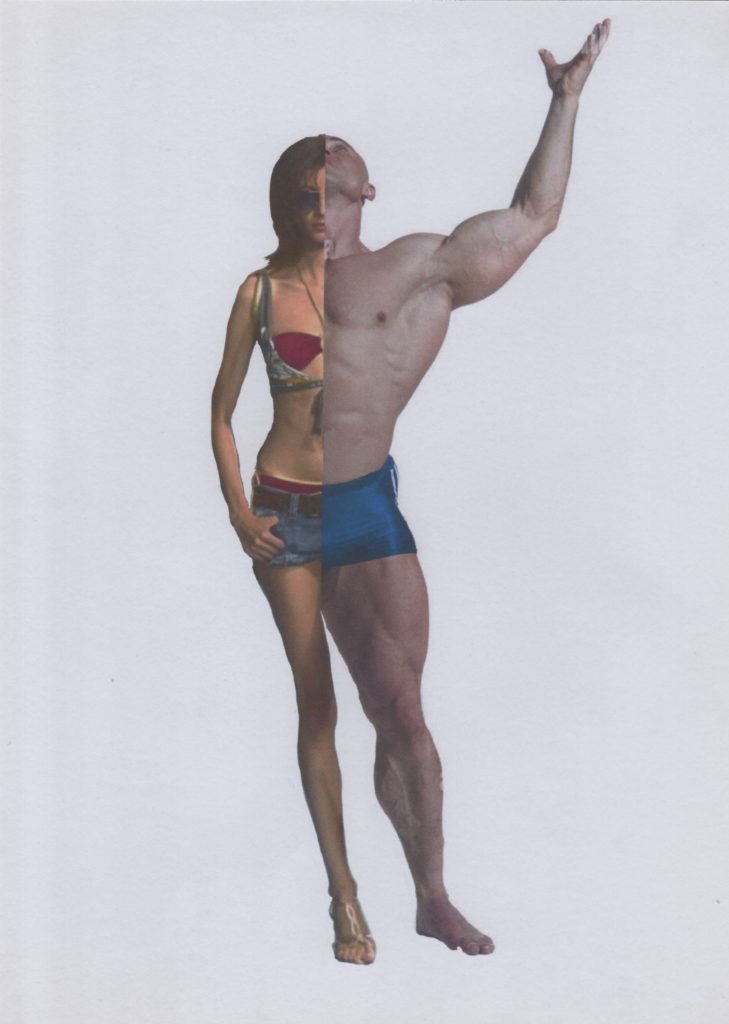
Then, I ground to a conceptual halt, unable to identify any clearly fresh ground on which to plant my creative feet. So I resorted to US politics, specifically Trump and the Capital Riots, obvious evidence (in my mind) of toxic masculinity driven by structural patriarchy, at work. I wanted to avoid this avenue of exploration because of its obviousness, but it was also an aspect that I need to exorcise from my investigations.
‘Riot‘ drew again on my thinking about embodied negative patterns and trauma in people, but in this image, with a focus on how systems of patriarchy unconsciously draw on and leverage those patterns to engage people in agenda-serving actions and behaviours: Trump and MAGA exploited a sense of marginalisation and oppression inherent in vast swathes of disenfranchised-feeling Americans to oppose the result of the 2021 election. I explored the transference of crying, angry and anxious babies faces on to the bodies of adult rioters in an attempt to express that, at the heart of each of these adults, was a traumatised child wanting to be heard and to feel they have agency of their lives. I resorted to Photoshop for this piece as my first attempt, using traditional cut and clue techniques was incredibly poor in execution.
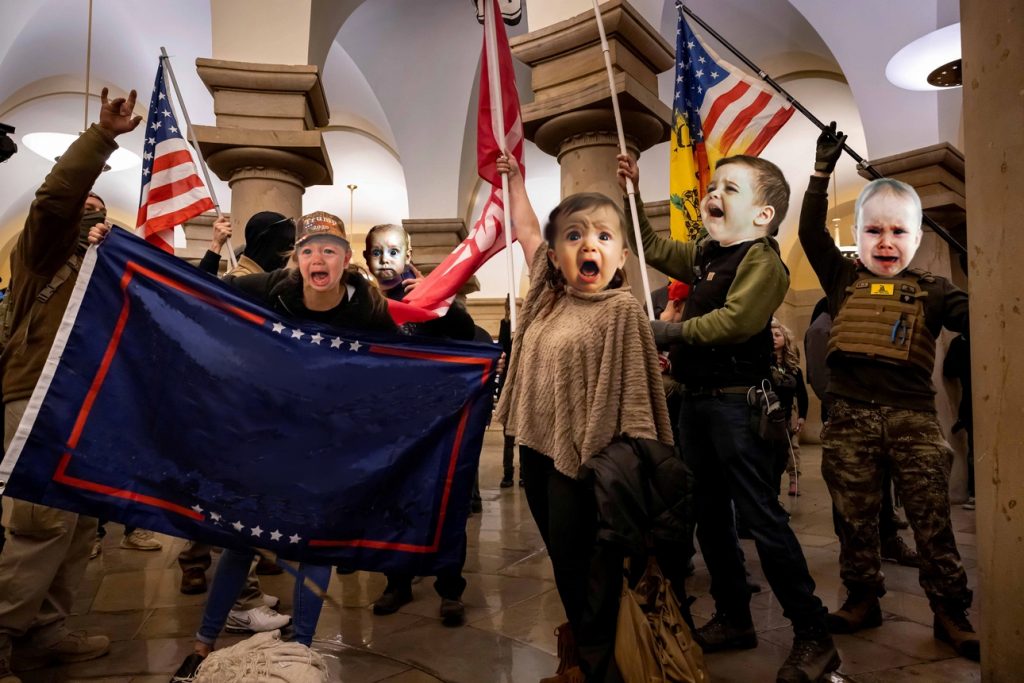
Riot (Photoshop photocollage)
A further piece, intended to offer some form of comment on how patriarchy, (which is essentially about acquisition and maintenance of power) continually manifests the autocrat, was more of an attempt to exploit the techniques of the graphic artist Jimmy Turrell. I became enamoured with the halftone treatments and bright colour schemes Turrell uses in his work and played with their application to create the ‘Abstraction of Dictators’ (see below).
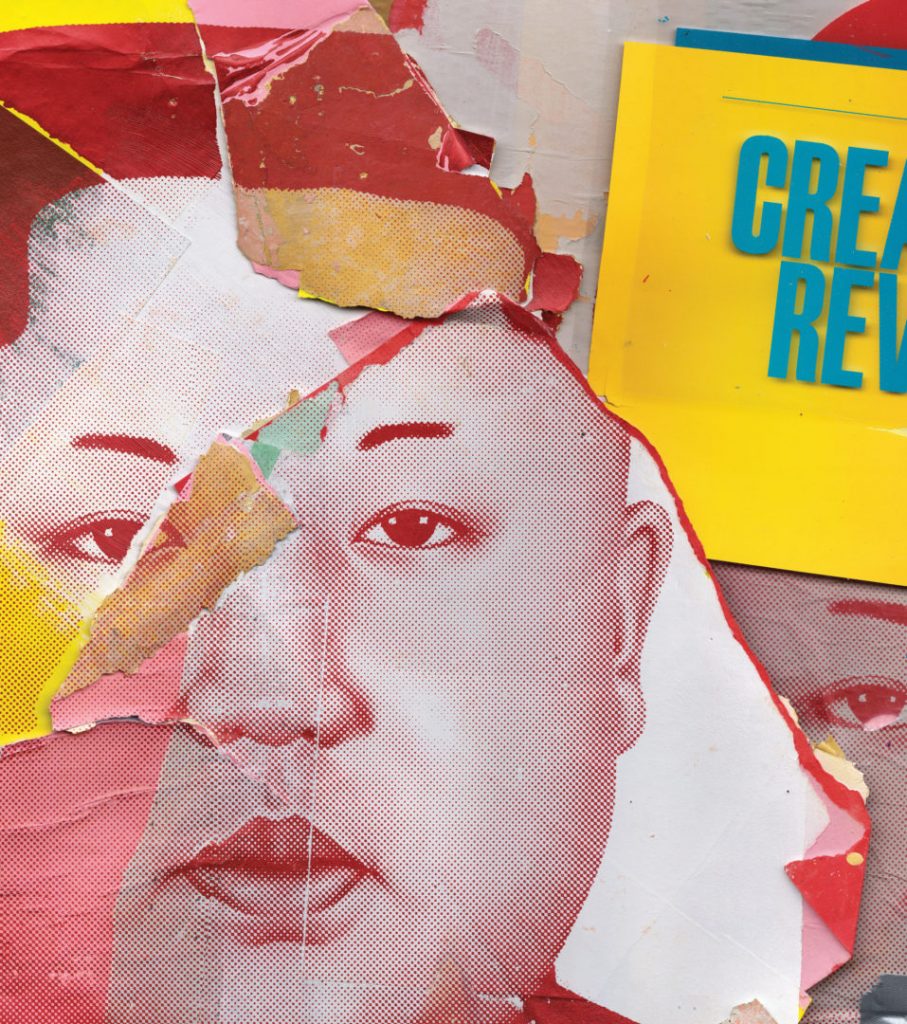
Fig.1. Cover of Creative Review (crop) (s.d.)
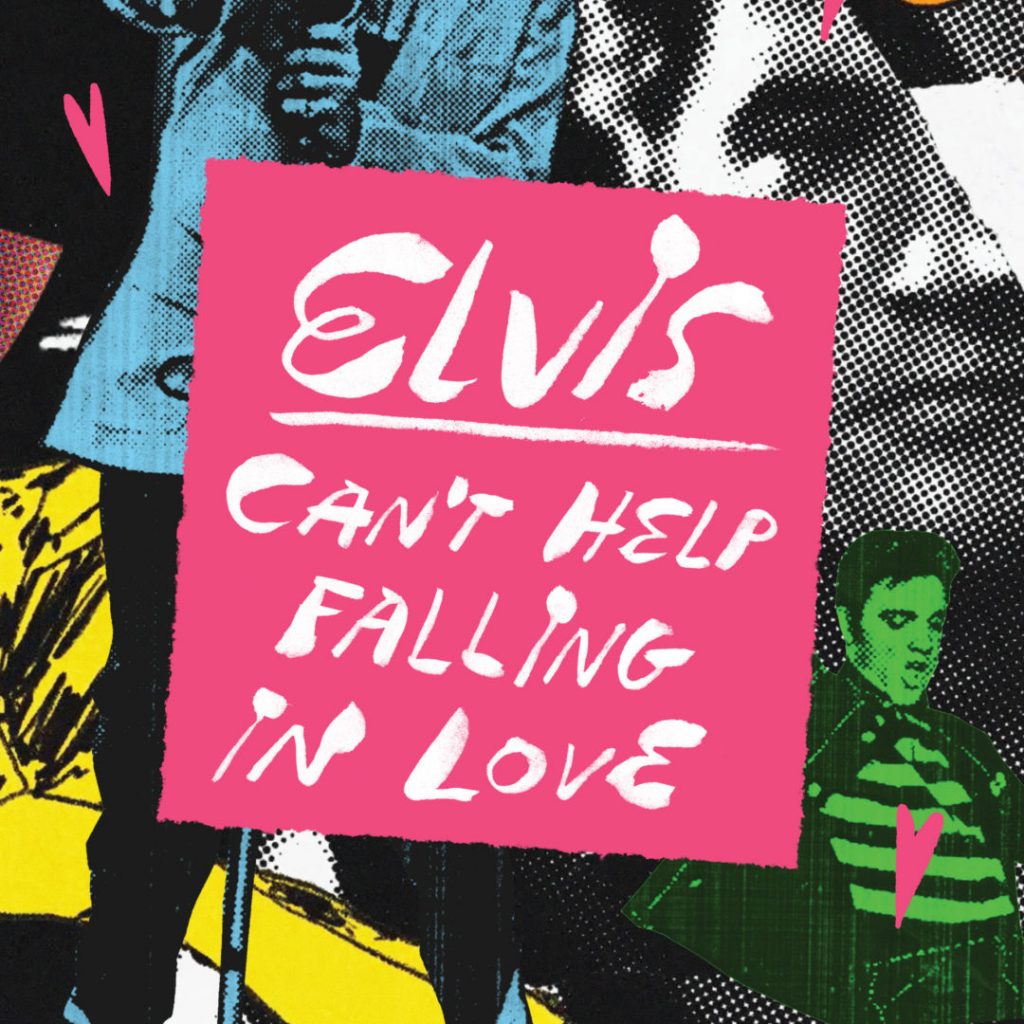
Fig.2. Still from video for Elvis Presely – Can’t Help Falling in Love
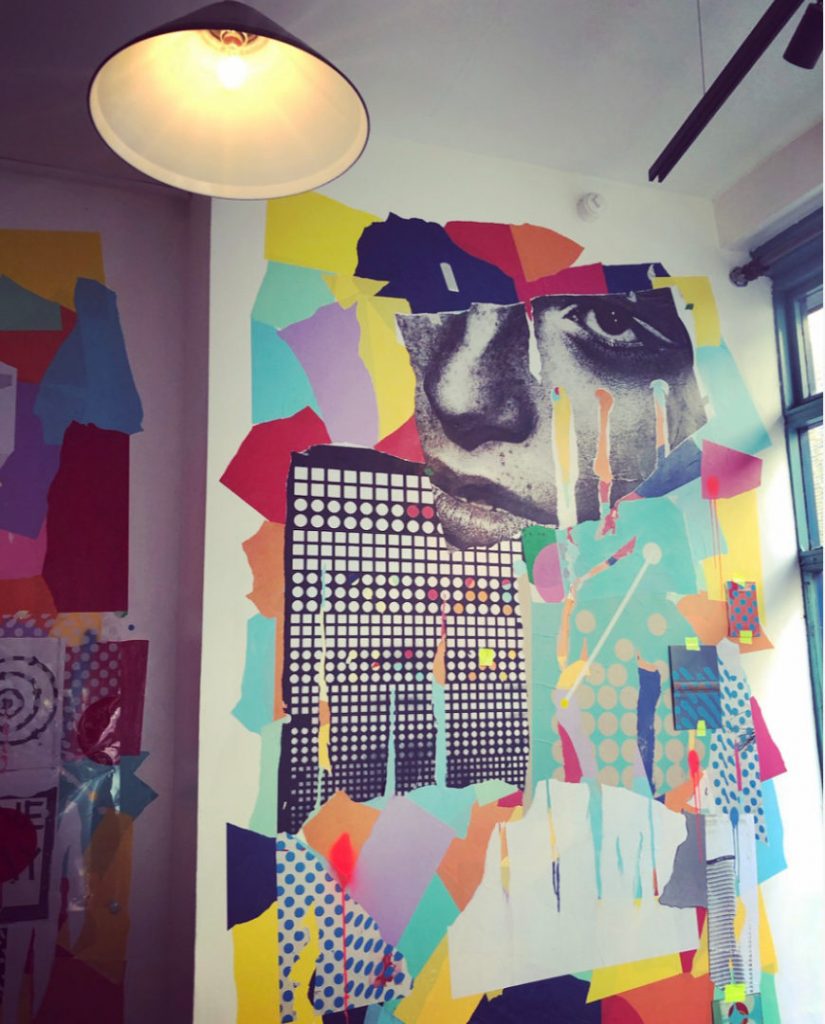
Fig.3. Installation Shot of Estralla/ Art of Pinpong (s.d.)
Images of Trump, Kim Jong Un, Hitler and Mussolini were taken into Photoshop, extracted from their backgrounds, greyscaled, halftoned to give a suggestion of screenprint, and then each had a single semi-transparent colour fill applied. Printed on photopaper, each was then scalpeled out from the excess, and then further cuts (and some rips) were made as I judged how to form a coherent assemblage. I had produced a background over which this dictatorial collage could be laid, by glueing together faded then burning prints of the Stars and Stripes and the Union Jack (my thought was to suggest how the continual rise of the patriarchal dictator despite the lessons of history, is a constant threat to our freedoms). The dictators element though lacked the conceptual intelligibility and visual inventiveness I wanted (though had no clear sense of how to achieve). A further attempt with the source images, scissored together in photoshop, then printed on canvas-textured paper failed further because of an optical murk that fogged the coherence of the individual elements and the recognition of any form of visual discourse. Whilst the source subjects I chose are no longer of interest to me, the treatment used to style the imagery does, and may be something I return to.

‘Abstraction of Dictators’ (photo collage)
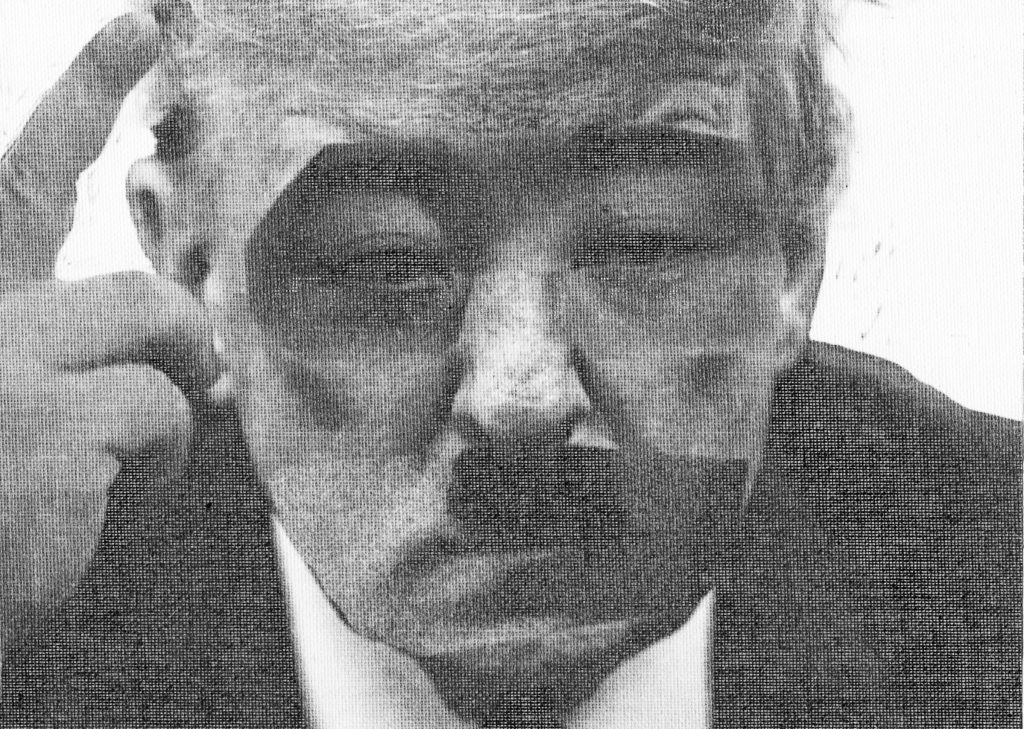
‘Abstraction of Dictators (2)’ (photo collage)
Sun 18th August: Possibilities
These next two pieces arrived quickly, late in the evening. My partner and I had watched The Feminist on Cellblock Y, a documentary reflecting on Soledad Men’s Correctional Training Facility group programme for inmate education that is centred around a curriculum inspired by feminist literature, in particular bell hooks’ The Will to Change: Men, Masculinity and Love, that challenges men to confront patriarchy as a means of rehabilitation.
There are significant insights and learnings in this film – and in hook’s book – more than I need to cover in this short(ish) narrative. But it was hearing the inmates discussing and realising that patriarchy and toxic masculinity prevents men from accessing and owning their true selves, that those modalities cause men to compartmentalise different facets of their characters for the different spaces of their worlds they interact with – that they are essentially afraid to be the same person in every societal space for fear of physical or emotional retribution of some sort, that encouraged a new shoot to appear from the dormant germinations explored the day before.
The next two pieces I produced, seek to represent what is actually beneath our societal ideal of masculinity, what is patriarchy causing men to hide, what is beneath those ideologically created masks that men wear.
Both pieces are again created using the AI generated image of the handsome rugged man, again placed quarter-sized centrally in the paper framing the photo à la traditional portraiture. In the first, a strip of ripped sandpaper covers the mouth to both converse with the idea of not toxic masculinity hindering the speaking of one’s truth and the coarseness of language and thought that is a product of our view of masculinity. Over the left eye (from our perspective) is the tear stained cheek and eye of a crying man that reflects on the restrained vulnerability that societal expectations of masculinity engender, whilst also suggesting the sadness of the individual at not having the strength to push back at this deeply embedded societal agenda, and live as his true self. I am deeply pleased with this work as I feel it succeeds in reflecting my intentions.

‘Untitled’ (Collaged photos and sandpaper)
The second image is less successful. My intent with this one was to reflect the fear and anger, especially the repression of fear and sadness, and the expression of almost theatricalised anger that feels (to me) commonplace in toxic men: traditional expectations of masculinity leaves little if no space for fear, sadness and grief, and anger is often the mask that hides those. Whilst the first piece arrived very quickly, the second was more considered, and the more I tried to think my way to a visual solution, the less tangibly successful the results were.
For the second piece the eyes of the AI handsome man are covered by the fearful eyes of an upset, confused baby, whilst the mouth is that of an aggressively angry man. With no clear point of conceptual reference in the final image, in that the eyes and mouth are not obvious in the emotions they are expressing, nor do they relate as effectively to the base image to instigate even a sense of a message, the narrative in this piece is slight, if non-existent.
Despite the disappointment of this second piece, this germination has sprouted a little more and I would like to see how it grows.

‘Untitled’ (Collaged photos)
Sat 24th Aug: Pursuing a train of thought
My explorations today have again not really borne effective visual fruit: I am struggling to identify – to understand – what I am trying to say. At the moment I cannot find a way into visualising my perspective on the themes. Actually, I am not sure I have a coherent perspective at the moment, just a collection of connected themes. I am hoping that by just persisting in making, that my perspective will coalesce and the visualisation of that will also arrive: again, I am not pursuing a final piece of work, but researching through making alongside reading, writing and watching.
Today’s pieces have been about following the germination that began earlier in the week, what hides beneath the societal and patriarchal ideal of masculinity. But there was one, new crucial (well, it will be in the future) addition. I was discussing my work with my partner, when she reminded me that it always best to work from a place of self, of lived experience: that’s an aspect missing from the earlier pieces. What is my experience of being a man? How does that differ from the societal model? What is my experience of and thoughts on toxic masculinity? How do I relate to patriarchy?Again, the shoots have grown a little more, but they are not fully formed or taking me in the correct direction.
These next four images try to begin to explore what is beneath the patriarchally governed masks that men wear by involving my experience. The AI generated images of handsome, rugged men are ripped and shredded, then laid over black and white selfies that attempt to reflect the honesty of the emotions that I feel – principally using me as a vehicle to express anxiety, fear and grief, emotions that masculinity has long been hiding from view. At this point in the process it was important for me to stay with the traditional cut-and-glue approach to collage as there was more tangibility in the making and the end result. But that surfaced its own challenges, not just in finding the right images, but finding images of comparable sizes that could work together: I admit that I resorted to resizing the images on the laptop (but only by eye), but the assemblage was enabled by scalpel, tearing and glue. I have so much respect now for the pre-Photoshop collage artists and their ability to recognise, through the lens of their concepts, the potential of the raw source images.
Again, these images are not a success for me. There is no visual conversation happening within each, the parts do not work as a whole: they look merely like a ripped picture pasted over the top of another
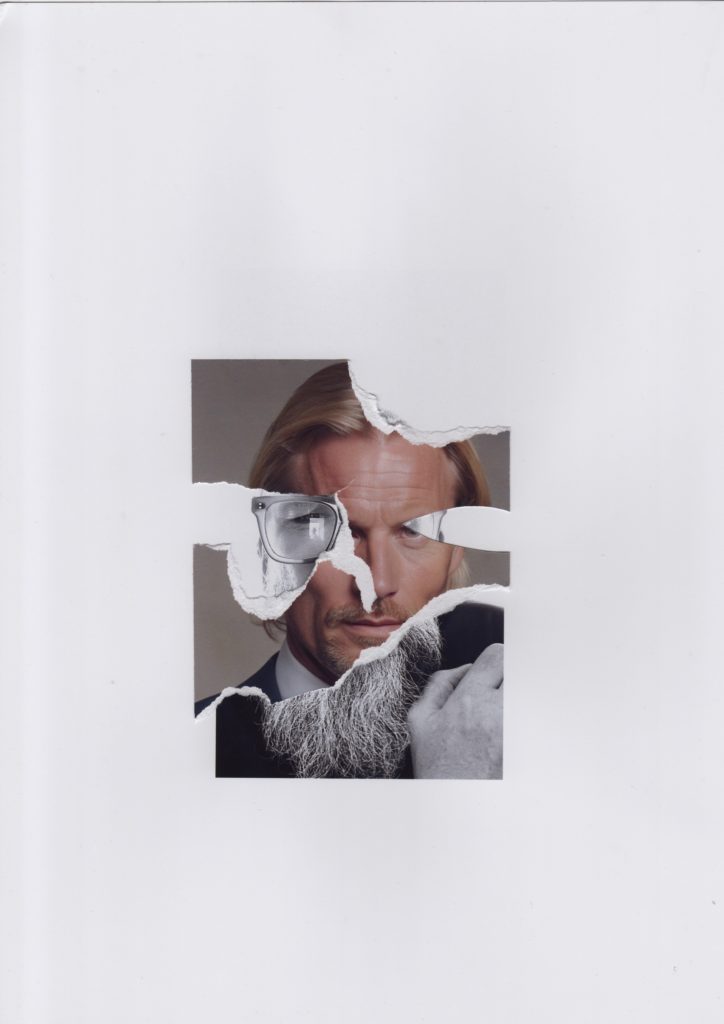
‘Untitled’ (collaged photos)
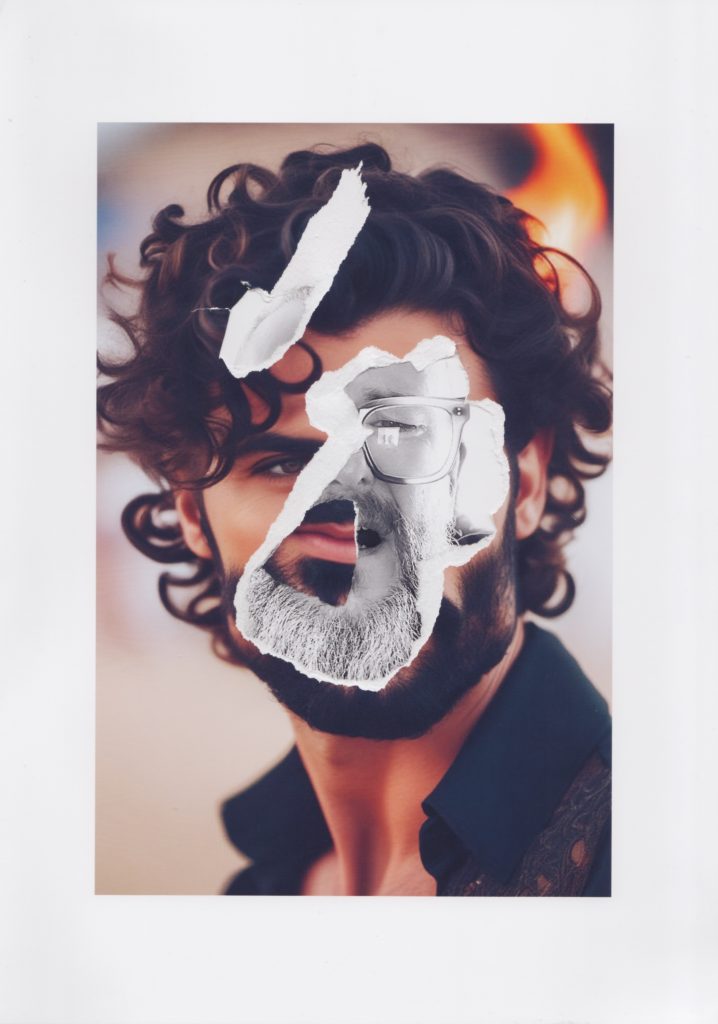
‘Untitled’ (Photo collage)
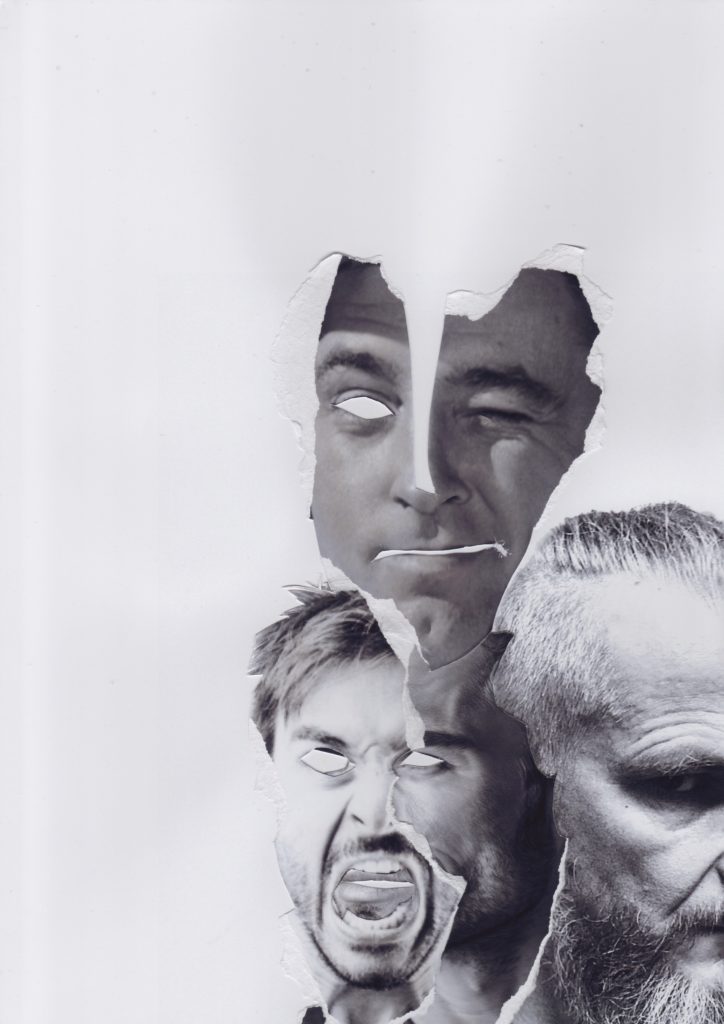
‘Untitled‘ (Photocollage)
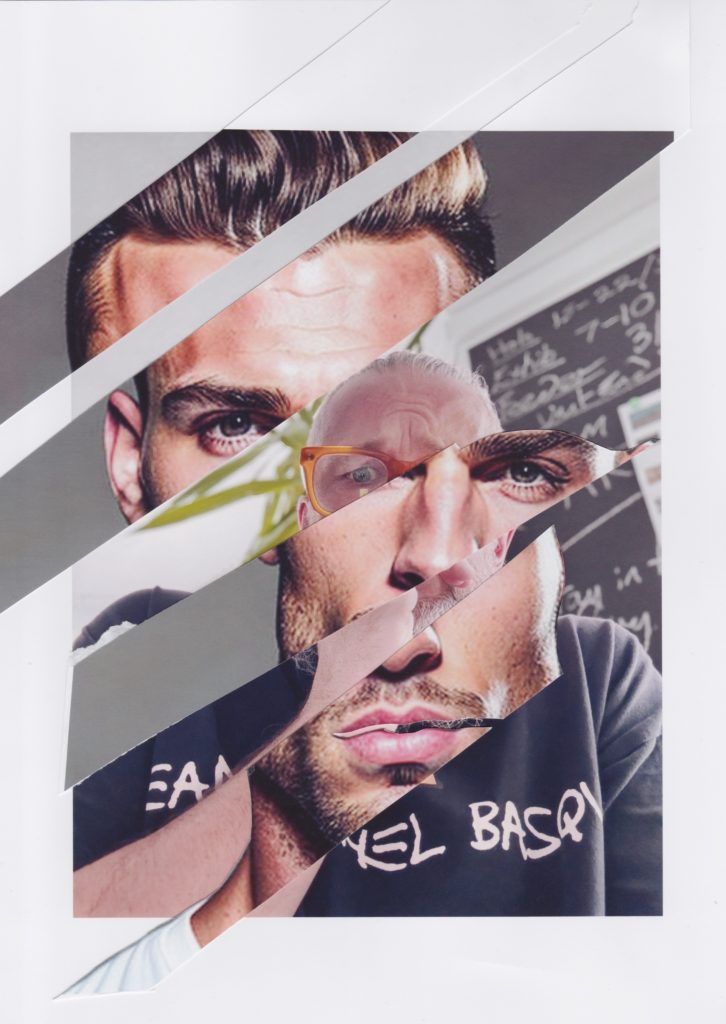
‘Untitled‘ (Photo collage)
Sunday 25th August: Resorting to digital
Frustration has set in as a result of yesterday’s work. I am feeling listless, uninspired and, more worryingly, unengaged with the module – already. To try and move through this ‘grey block’, I resorted to digital techniques, Photoshop, my ‘comfort zone’, as it leverages my professional skillset.
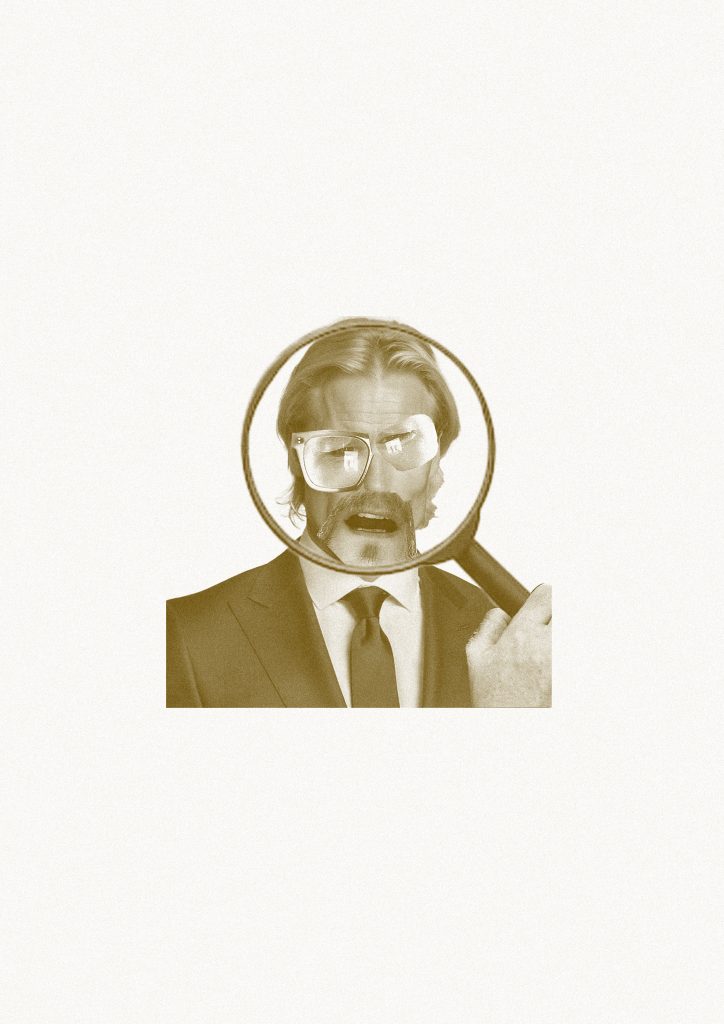
I have also (very directly) referenced Peter Kennard’s ‘The Kissinger Mind’ (1979) to try and find a way back into visualising the themes specifically his use of the magnifying glasses as a means of visualising Kissinger’s emotional/ intellectual/ mental interior. Identifying this, I ‘purloined’ this visual device me to construct two images that offer more recognisable and cohesive narratives. Pragmatically, I had greater control over the source images and could leverage the wealth of image treatments that Photoshop offers, allowing me to approximate a sense of a traditional cut-and-paste collage. But…I can’t help feeling a little guilty that I haven’t been truly original, that I have merely copied: but that is just another research shoot that needs to grow, and then, possibly be pruned if it comes to nothing.
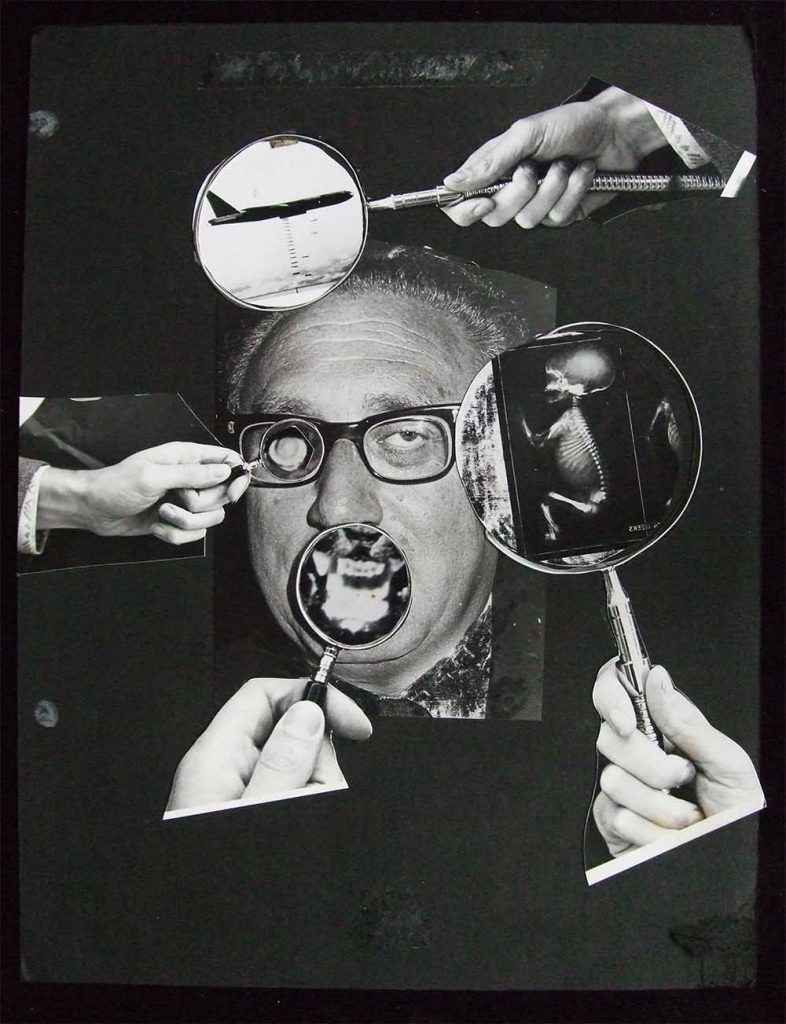
Fig.4. The Kissinger Mind (1979)
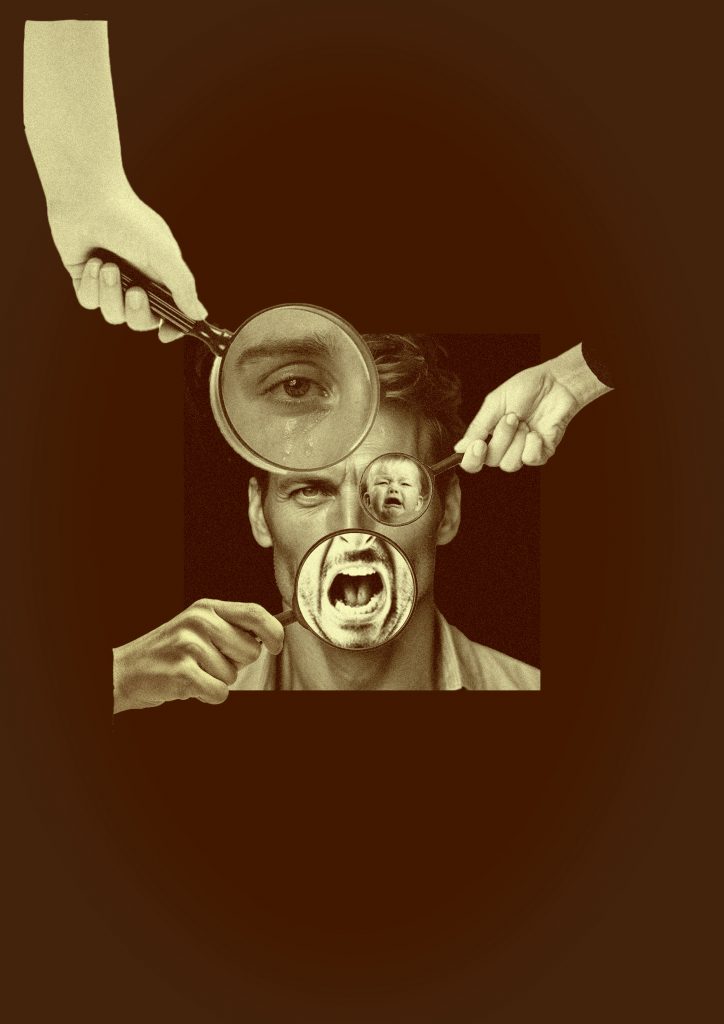
‘Untitled’ (Photoshop collage)
Catalogue of Images Used
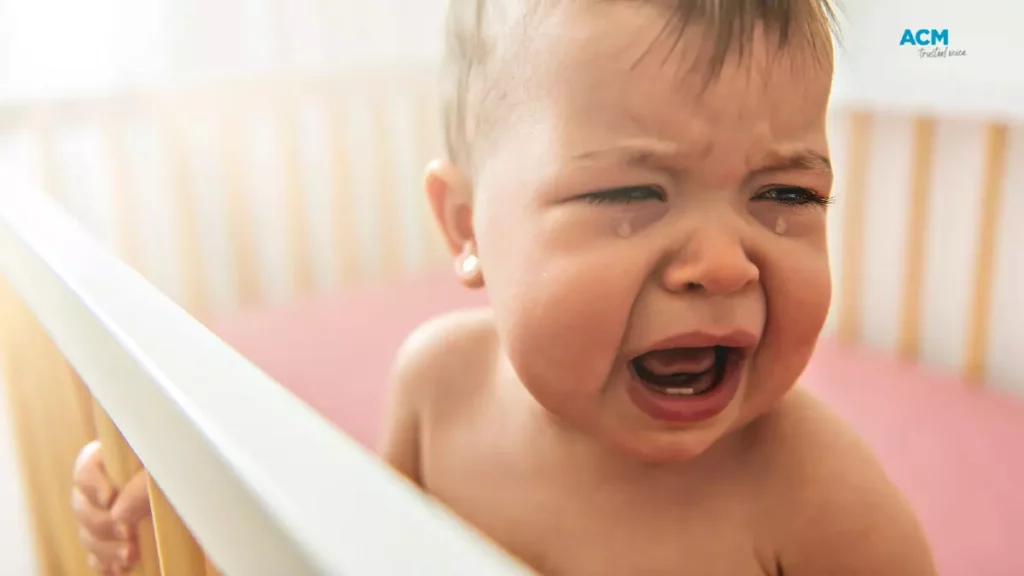
Fig.5. Crying Baby (s.d)
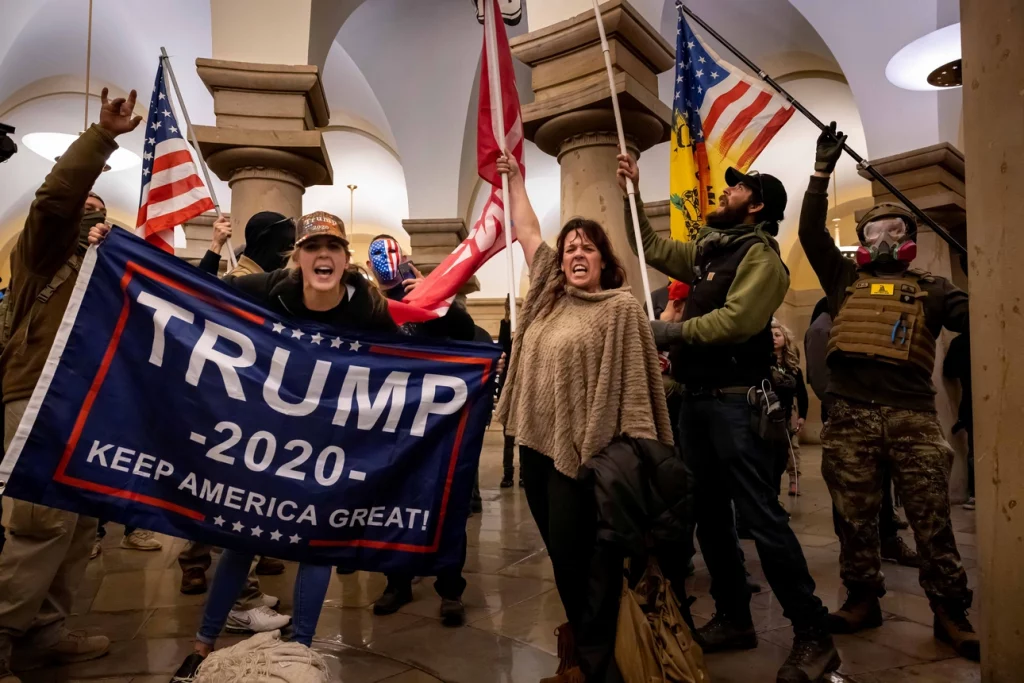
Fig.6. Supporters of President Donald Trump are seen inside the Capitol on Jan. 6. (2021)
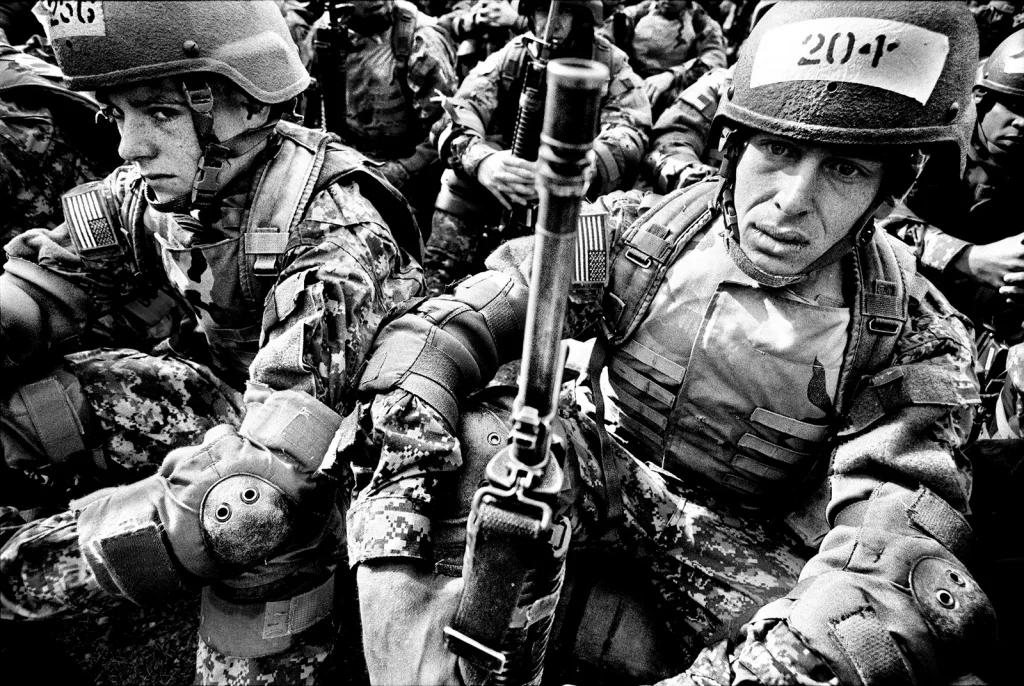
Fig.7. Soldiers wait around between exercises at the Fort Benning training base. Fort Benning, Georgia, 2008. (2008)
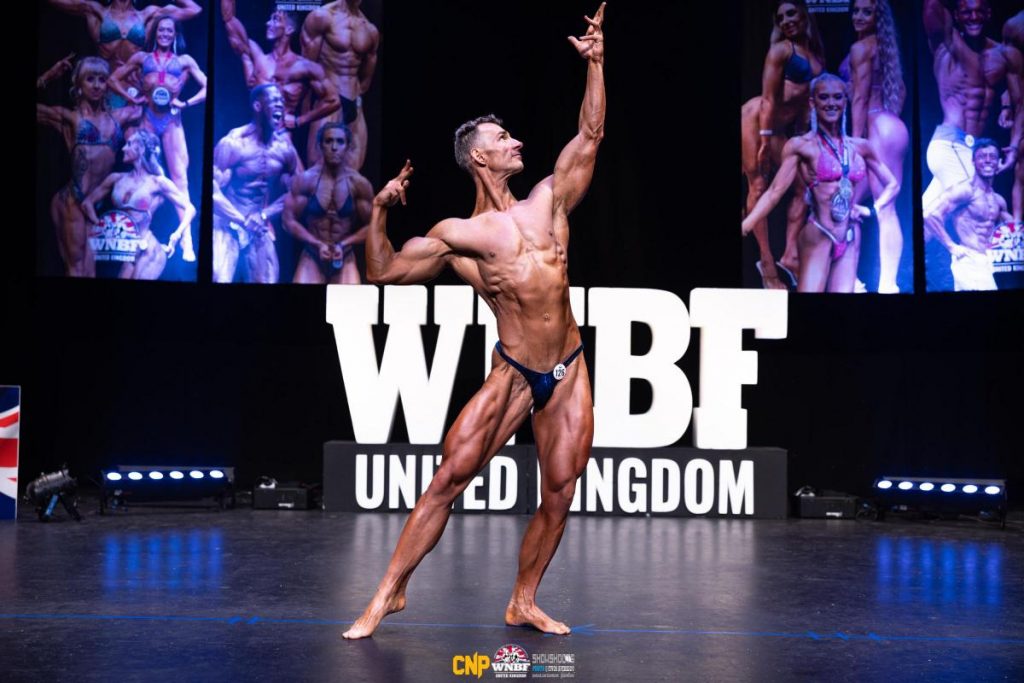
Fig.8. Scott Jezzard has finished third in the light heavyweight men’s open category for Great Britain at the WNBF finals in the USA this year. (2023)
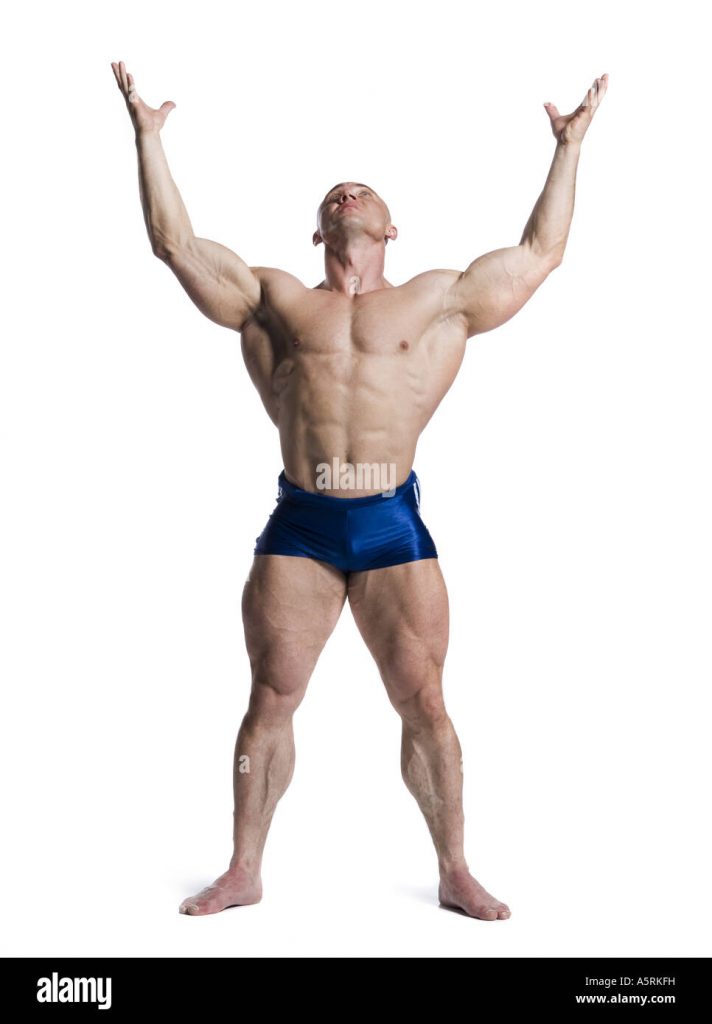
Fig.9. Male Bodybuilder Posing (s.d)
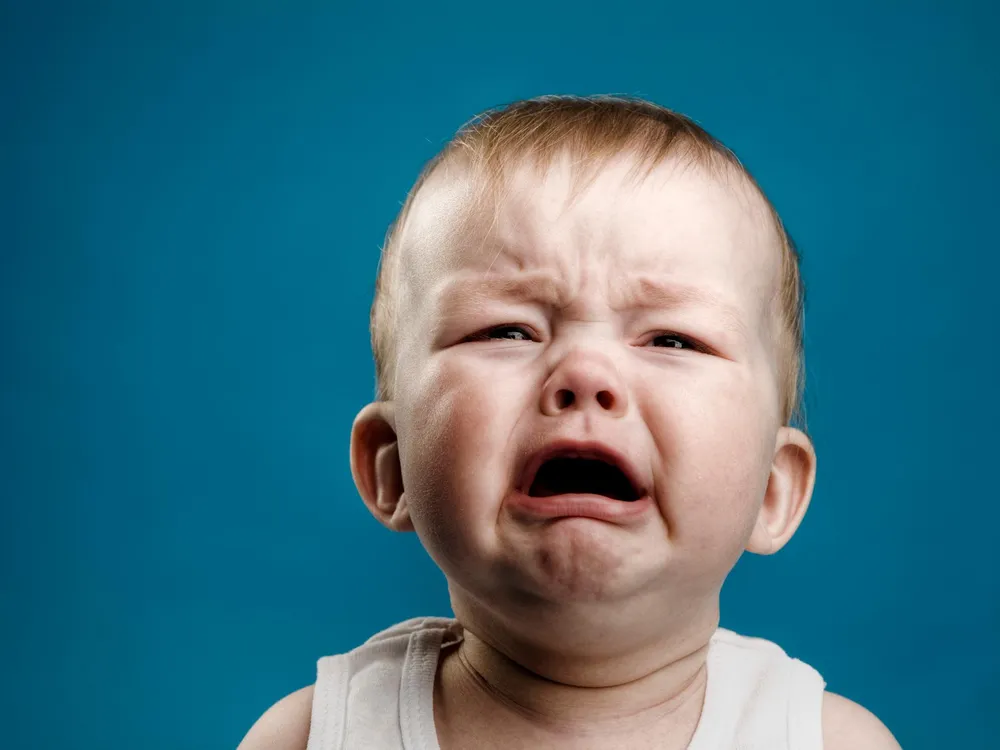
Fig.10. Crying Baby (s.d.)

Fig.11. Crying Baby Boy, Studio isolated on white (2012)

Fig.12. Adorable scared baby in a white onesie in a cozy living room setting and a surprised frightened face (s.d.)
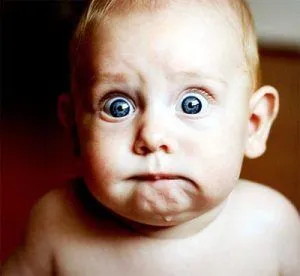
Fig.13. Scared Baby (s.d.)
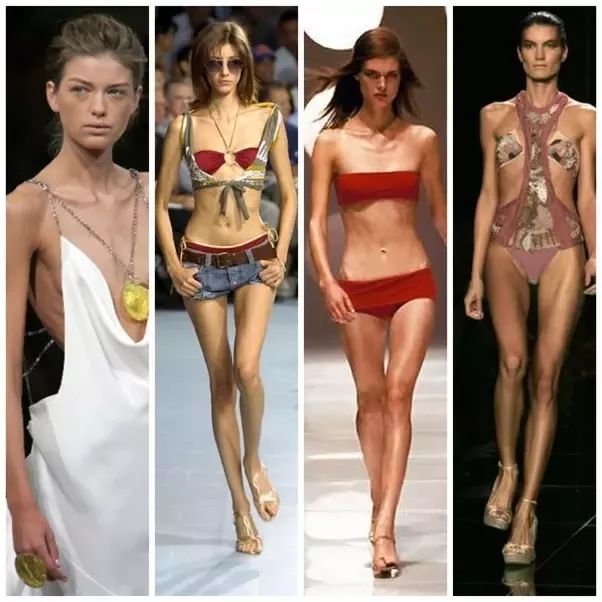
Fig.14. Catwalk Models (s.d.)
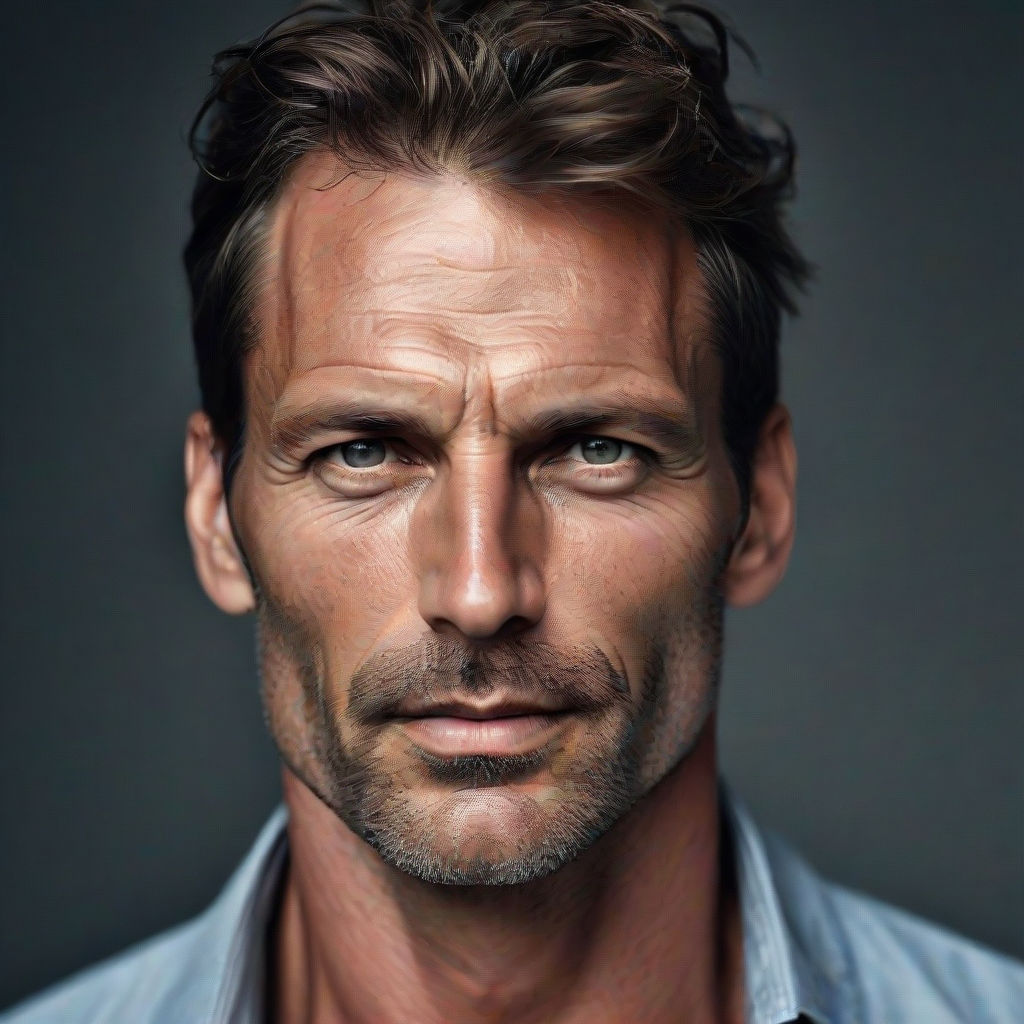
Fig.15. A distinguished portrait of a 42-year-old top-tier male fashion model (s.d.)

Fig.16. A glowering Donald Trump in court (2024)
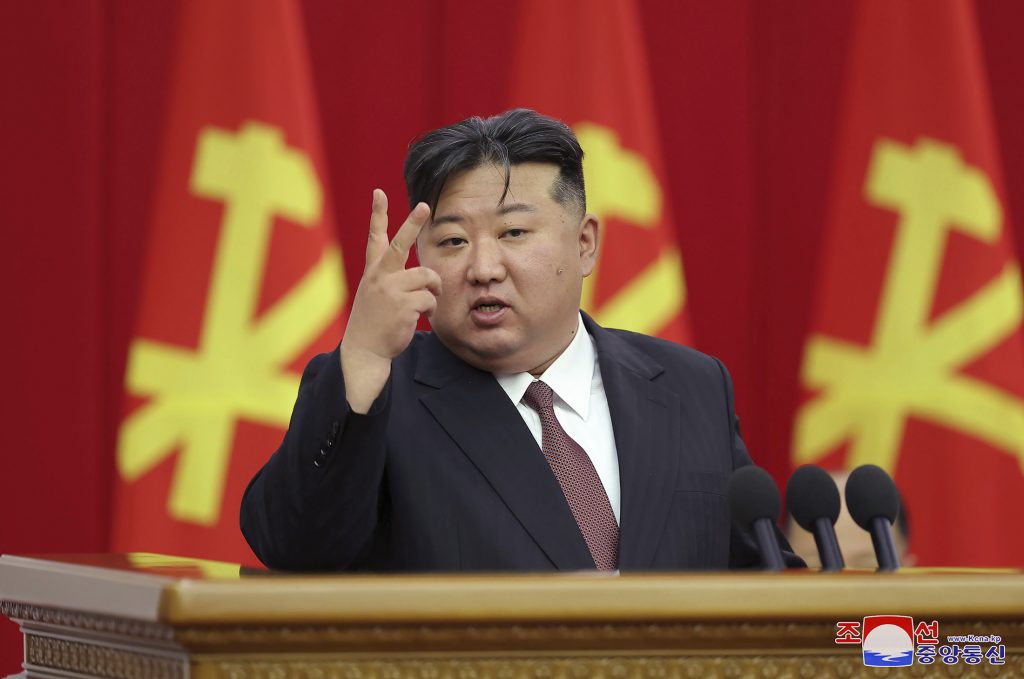
Fig.17. Kim Jong Un during a meeting of Central Committee of the Workers’ Party of Korea held from June 28 until July 1, in Pyongyang, North Korea. (2024)
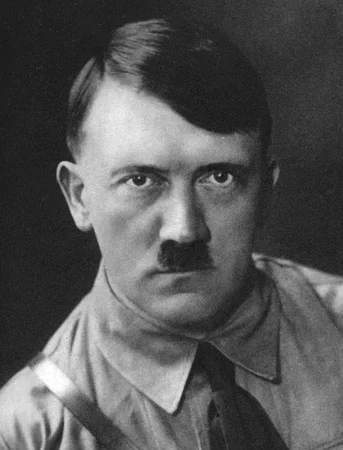
Fig.18. Adolf Hitler (2024)
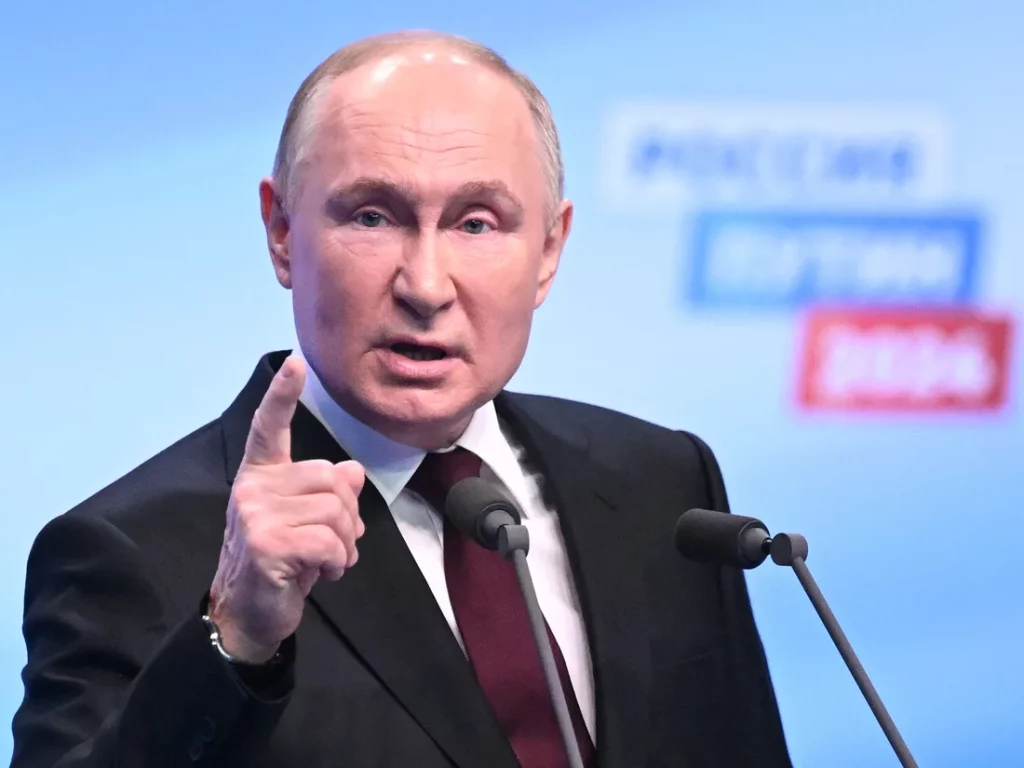
Fig.19. Russian President and presidential candidate Vladimir Putin meets with the media at his campaign headquarters in Moscow on Monday. (2024)
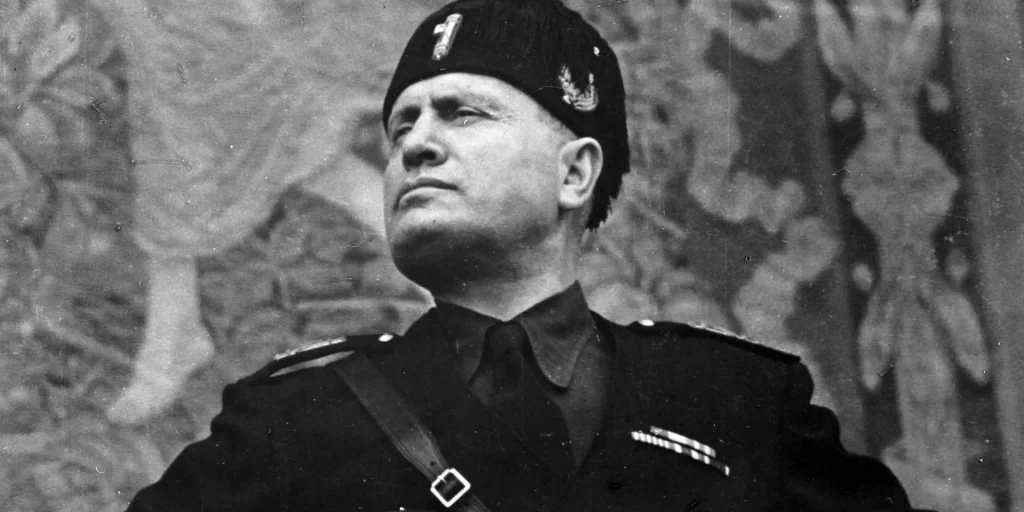
Fig.20. Benito Mussolini (s.d.)
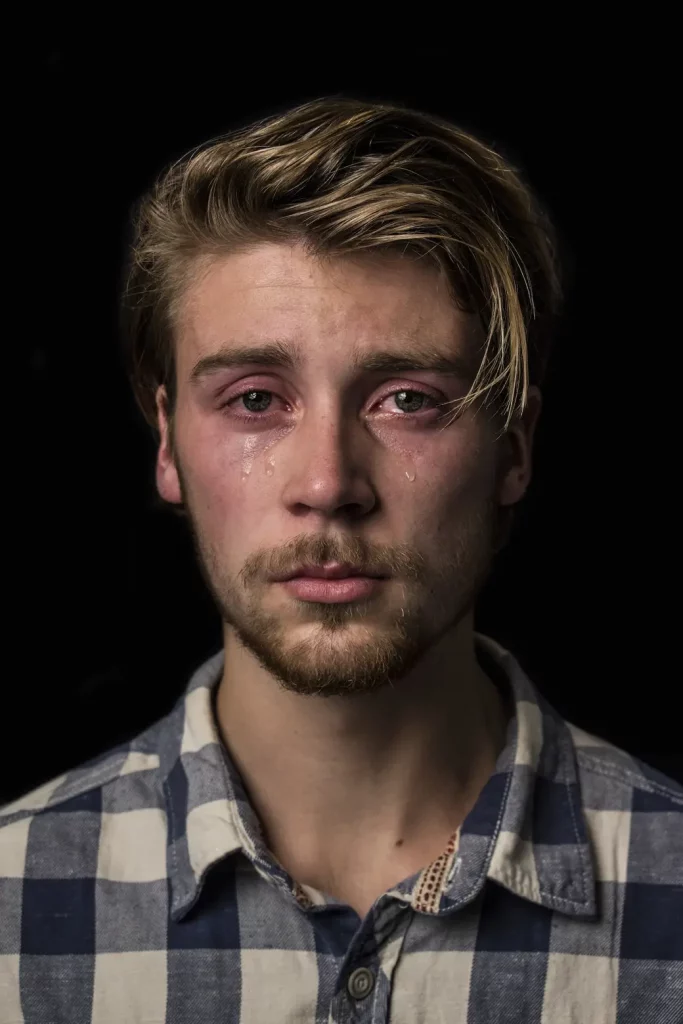
Fig.21. Jip, 20, Crying (2016)
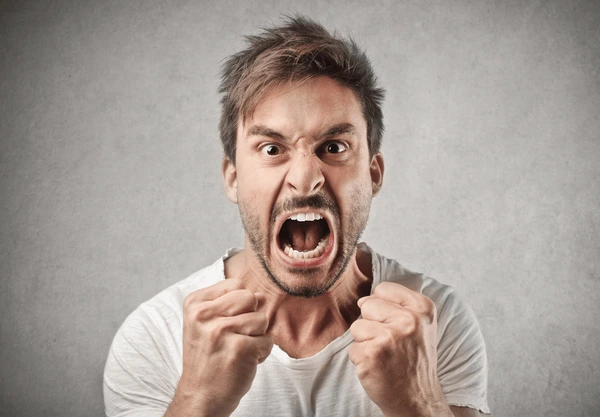
Fig.23. Portrait of Young Angry Man (s.d.)

Fig.23. AI generated, close up portrait of beautiful man (s.d.)
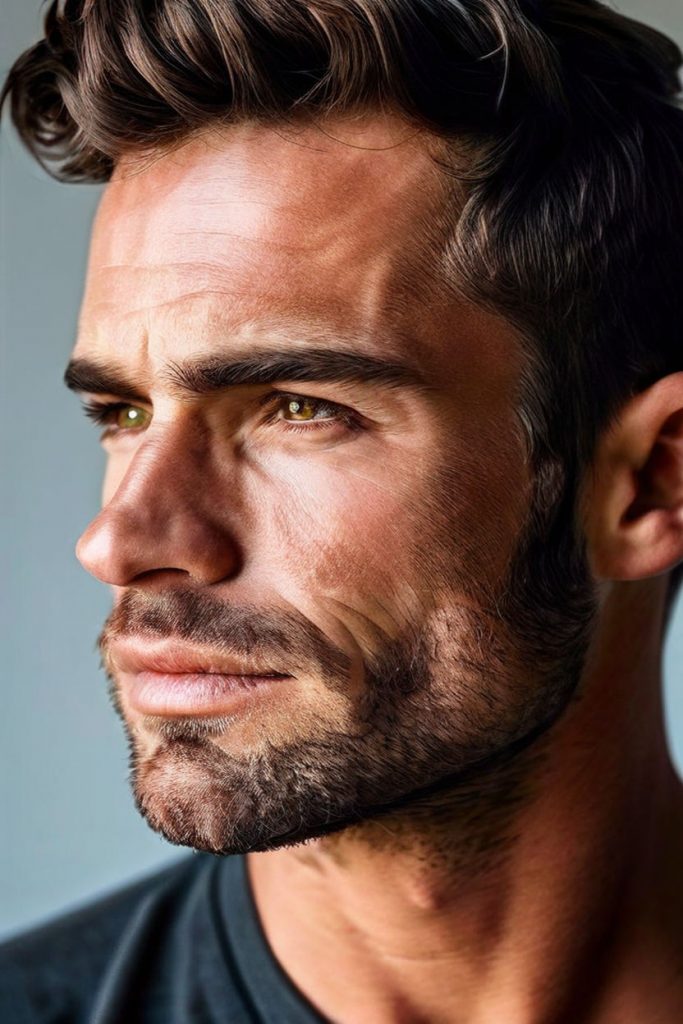
Fig.24. Man with a Clean Shaven Jawline (s.d.)
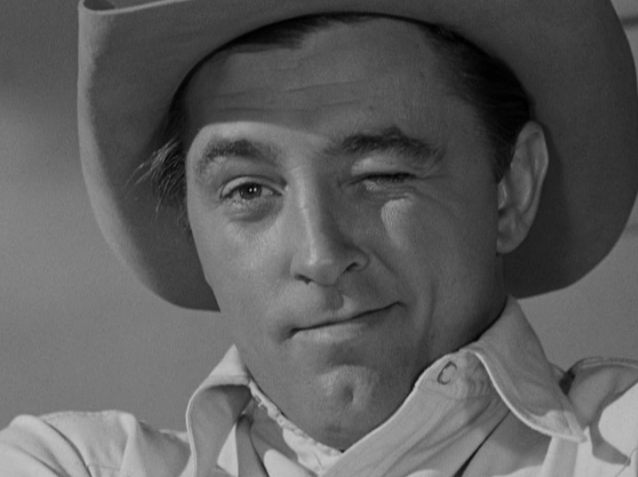
Fig.25. Still of Robert Mitchum in The Lusty Men (1952)
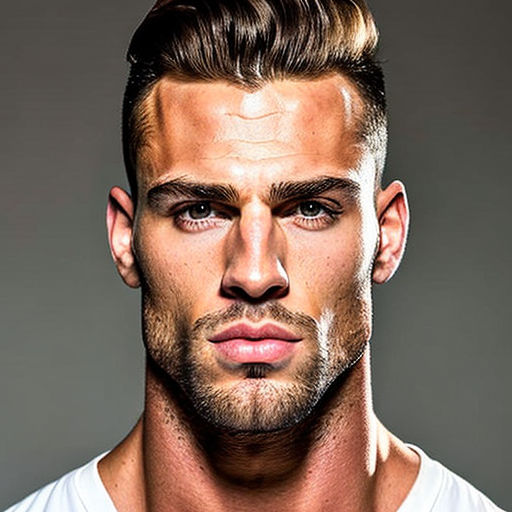
Fig.26. AI generated portrait of very handsome man (s.d.)
List of References
Jablonka, I (2023) ‘Masculinities of Domination’ In: Jablonka, I. A History of Masculinity. Dublin: Penguin. pp.55-74
Phaidon (s.d.) John Stezaker – Why I Make Collage At: https://www.phaidon.com/agenda/art/2023/May/04/john-stezaker-why-i-make-collage/ (Accessed 10/08/24)
Wikipedia (2024) Masculine Beauty Ideal At: https://en.wikipedia.org/wiki/Masculine_beauty_ideal (12/08/24)
Wikipedia (2024) Hypermasculinity At: https://en.wikipedia.org/wiki/Hypermasculinity (12/08/24)
List of Illustrations
Fig.1. Turrell, J (s.d.) Cover of Creative Review (crop) [Photograph] At: http://www.jimmyturrell.com/projects/creative-review-covers-x-3/ (Accessed 24/08/24)
Fig.2. Turrell, J (s.d.) Still from video for Elvis Presely – Can’t Help Falling in Love [Video Still) At: http://www.jimmyturrell.com/projects/elvis-presley-video/ (Accessed 24/08/24)
Fig.3. Turrell, J (s.d.) Installation Shot of Estralla/ Art of Pinpong [Photograph] At: http://www.jimmyturrell.com/projects/estrella-art-pingpong/ (Accessed 24/08/24)
Fig.4. Kennard, P (1973) The Kissinger Mind [Photomontage] At https://www.peterkennard.com/photomontage#/usa-1/ (Accessed 07/08/24)
Fig.5. Moree Champion (s.d) Crying Baby [Photograph] At: https://www.moreechampion.com.au/story/7901505/how-to-stop-your-baby-crying-according-to-science/ (Accessed 18/08/24)
Fig.6. Brent Stirton/ Getty Images (2021) Supporters of President Donald Trump are seen inside the Capitol on Jan. 6. [Photograph] At: https://www.politico.com/news/2021/03/30/jan-6-capitol-riot-jail-time-478440 (Accessed 18/08/24)
Fig.7. Platon (2008) Soldiers wait around between exercises at the Fort Benning training base. Fort Benning, Georgia, 2008. [Photograph] At: https://www.newyorker.com/culture/photo-booth/the-lives-of-american-soldiers-before-and-after-war (Accessed 18/08/24)
Fig.8. Show Shoots (2023) Scott Jezzard has finished third in the light heavyweight men’s open category for Great Britain at the WNBF finals in the USA this year. [Photograph] At: https://www.oxfordmail.co.uk/news/24013614.wantage-bodybuilder-lands-third-place-world-finals/ (Access 18/08/24)
Fig.9. RubberBall/ Alamy (s.d.) Male Bodybuilder Posing [Photograph] At: https://www.alamy.com/stock-photo-male-bodybuilder-posing-11374564.html (Accessed 18/08/24)
Fig.10. kirza/ iStockphoto (s.d.) Crying Baby [Photograph] At: https://www.smithsonianmag.com/smart-news/babies-cries-may-predict-what-they-will-sound-adults-180969669/ (Accessed 18/08/24)
Fig.11. Hannahmaria/ Shutterstock (2012) Crying Baby Boy, Studio isolated on white [Photograph] At: https://images.app.goo.gl/y2TZgbJCTnb4Z1Se7 (Accessed 18/08/24)
Fig.12. Freepik (s.d.) Adorable scared baby in a white onesie in a cozy living room setting and a surprised frightened face [Photograph] At: https://images.app.goo.gl/bQCpqCL76qnu4rC37 (Accessed 18/08/24)
Fig.13. Kids First Pediatrics (s.d.) Scared Baby [Photograph] At: https://kidsfirstpediatrics.com/babies-separation-anxiety/ (Accessed 18/08/24)
Fig.14. (no attribution) (s.d.) Catwalk Models [Photograph] At: https://fitfatfut.wordpress.com/2013/10/08/contest-prep-week-4-weigh-in-2/skinny-models/ (Accessed 18/08/24)
Fig.15. Rainer Knöppler (s.d.) A distinguished portrait of a 42-year-old top-tier male fashion model [AI generated image] At: https://playground.com/post/a-distinguished-portrait-of-a-42-year-old-top-tier-male-fash-clwu53if101hecs9eiq4xmf48 (Accessed 18/08/24)
Fig.16. Peterson, M (2024) A glowering Donald Trump in court [Photograph] At: https://www.telegraph.co.uk/us/news/2024/05/31/why-donald-trump-can-still-run-for-president/ (Accessed 18/08/24)
Fig.17. Korean Central News Agency/AP Photo (2024) Kim Jong Un during a meeting of Central Committee of the Workers’ Party of Korea held from June 28 until July 1, in Pyongyang, North Korea. [Photograph] At: https://www.bloomberg.com/news/articles/2024-07-02/kim-jong-un-says-economy-is-on-upturn-as-russian-ties-deepen (Accessed 18/08/24)
Fig.18. Print Collector—Hulton Archive/Getty Images (2024) Adolf Hitler [Photograph] At: https://www.britannica.com/biography/Adolf-Hitler (Accessed 18/08/24)
Fig.19. Natatlia Kolesnikova/Pool/AFP via Getty Images (2024) Russian President and presidential candidate Vladimir Putin meets with the media at his campaign headquarters in Moscow on Monday. [Photograph] At: https://www.npr.org/2024/03/18/1239107271/after-a-quarter-century-in-power-russian-president-putin-isn-t-going-anywhere (Accessed 18/08/24)
Fig.20. Getty Images / Roger Violle (s.d.) Benito Mussolini [Photograph] At: https://www.history.com/news/9-things-you-may-not-know-about-mussolini (Accessed 18/08/24)
Fig.21. Fernout, M (2016) Jip, 20, Crying [Photograph] At: https://www.buzzfeed.com/lauragallant/18-photos-of-men-crying-that-challenge-gender-norms (Accessed 18/08/24)
Fig.22. Ollyy/ Shutterstock (s.d.) Portrait of Young Angry Man [Photograph] At: https://images.app.goo.gl/a4VwHRurg9RjbTWAA (Accessed 18/04/24)
Fig.23. Katja H (s.d.) AI generated, close up portrait of beautiful man [AI generated image] At: https://playground.com/post/close-up-portrait-oh-modern-massimo-sinata-you-are-so-char-clqkuzpd40rxcs601f40217gu (Accessed 25/08/24)
Fig.24. Arter ABS (s.d.) Man with a Clean Shaven Jawline [AI Generated Image] At: https://playground.com/post/man-with-a-clean-shaven-strong-squared-jawline-hzv07d238hqdy2e32up8lpzv3 (Accessed 25/08/24)
Fig.25. Still of Robert Mitchum in the Lusty Men [Film Still] In: The Lusty Men. United States: Wald/Krasna Productions
Fig.26. Frank (s.d.) AI generated portrait of very handsome man [AI Generated Image] At: https://playground.com/post/clivrzagw0hq0s601a7q4w9h3 (Accessed 25/08/24]