
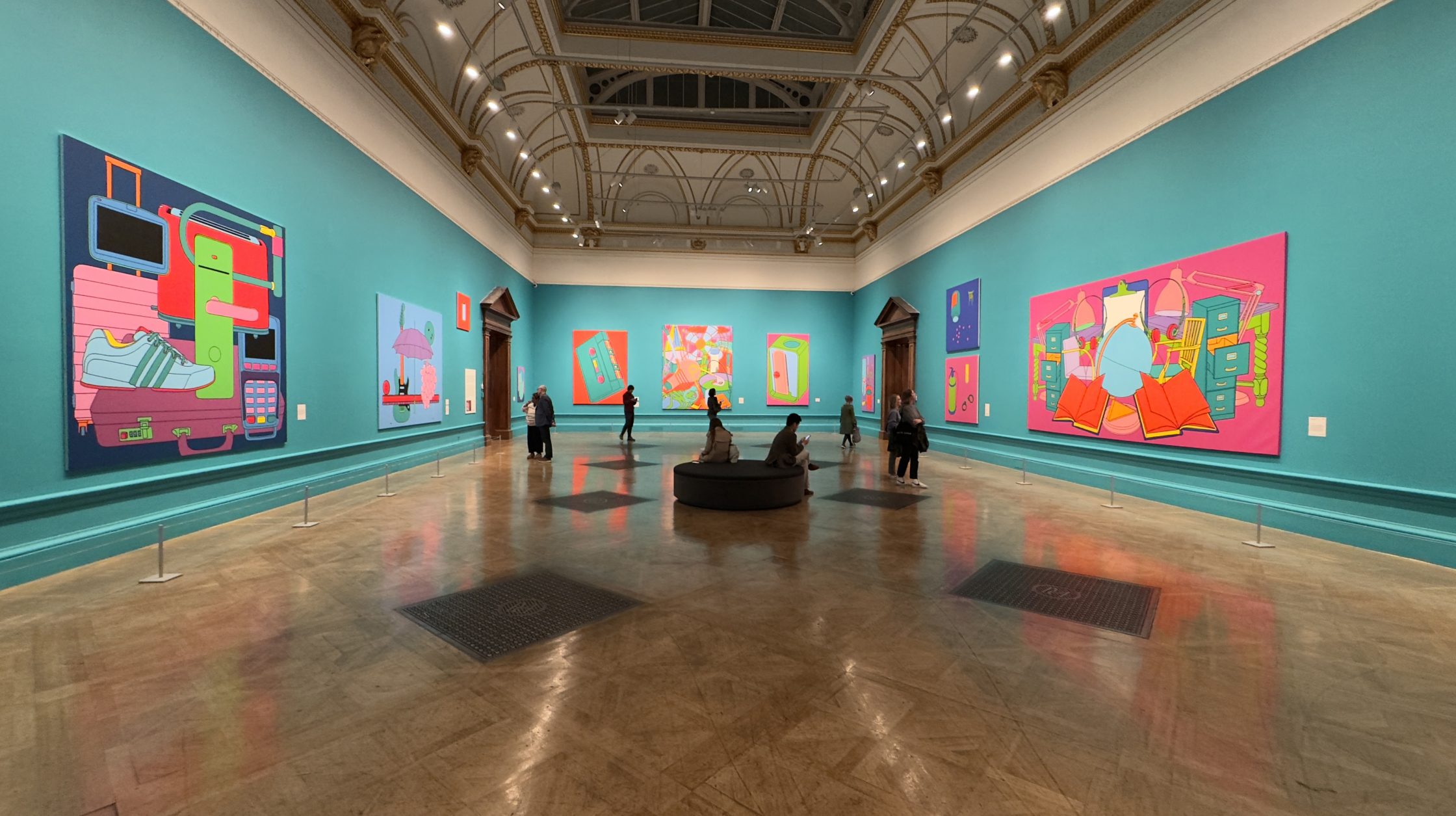
Fig.1. Exhibition View of Michael Craig-Martin at the Royal Academy (2024)
Neon Nostalgia: Michael Craig-Martin’s Conceptual Reflections at the Royal Academy
This recent retrospective at the Royal Academy of Arts provides a powerful and focused testament to Michael Craig-Martin’s influential career and his continued relevance to the contemporary art landscape. And whilst it focuses – possibly too much – on the signature style of bold lines and neon colours that he has become known for, the presence of the landmark, early conceptual work that exerted a formative influence on artists such as Damien Hirst, Gary Hume and Sarah Lucas, reinforces his importance to British Art – for those who care to look!
Dominating this exhibition are the precise, linear drawings of ordinary objects filled with unnatural, saturated, vibrating colours. Executed at differing scales, some directly onto the Academy’s walls, they serve to transform the mundane into the monumental, producing an effect that is both jarring and mesmerising, forcing us, the viewer, to reconsider objects we typically overlook in our daily lives.
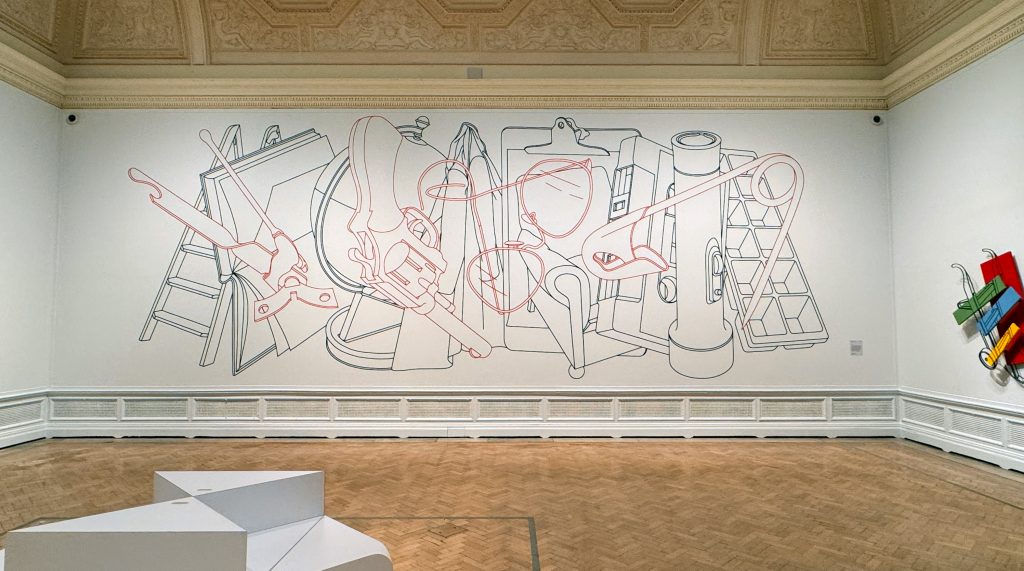
Fig.2. Exhibition View of Modern Dance, 1981 (2024)
In the rooms that focus on these line drawings, the exhibition’s chronological arrangement reveals the evolution of Craig-Martin’s subject matter, from the direct use of household items of the 1970s to the technological gadgets of the present day. This progression creates an inadvertent timeline of consumer culture, with obsolete objects like cassette tapes and CRT televisions hanging alongside smartphones and wireless earbuds. The juxtaposition provides a poignant commentary on the rapid pace of technological change and our relationship with material possessions
Particularly striking is the series of new works created specifically for the Royal Academy’s galleries. These pieces demonstrate Craig-Martin’s masterful use of space, with wall drawings that interact with the architecture in unexpected ways. The scale of these works, some spanning entire walls, creates an immersive environment that amplifies the impact of his deceptively simple style.
The artist’s trademark line work, executed with mechanical precision, continues to challenge our perception of representation. Each object is reduced to its essential form, stripped of texture and shadow, yet remains instantly recognisable. This reduction serves Craig-Martin’s conceptual interests in representation and reality, questioning how we recognise and categorise the things around us.
Colour plays a crucial role in this exhibition. Craig-Martin’s palette, always bold, seems to have reached new levels of intensity. The combinations – acid greens against electric blues, hot pinks against deep purples – create optical effects that make the flat images appear to float off the walls. This use of colour is not merely decorative but serves to destabilise our perception of these familiar objects.
However, the dominance of these line-works throughout the exhibition and across the marketing material, with the repetition of similar motifs and techniques, could become monotonous for some. More salient though, their visual accessibility and relevance to the current moment may also have the deleterious effect of obscuring the conceptual roots of Craig-Martin’s practice, roots that have had a significant influence on two generations of British artists.

Fig.3. An Oak Tree, (1973)
What is possibly Craig-Martin’s most important work, one that Michael Bracewell labels as “an atom-splitting piece of conceptualism” (Bracewell, 2024: 17) in his catalogue essay, is shown in the first room, and then left behind by most viewers as the visual excitement of the vibrant line drawings overwhelms their attention . Though there are continuing nods to it later, 1973’s ‘An Oak Tree’ represents what is the true heart of the artist’s agenda, the ‘essence of art’: What I was really saying was that works of art only work on the basis of a certain kind of faith. If you don’t give yourself to the piece, it won’t work‘ (Craig-Martin, 2024 cited in O’Hagan, 2024)
Despite these minor critiques, the exhibition succeeds in demonstrating why Craig-Martin remains a significant figure in contemporary art. His work continues to raise pertinent questions about representation, perception, and our relationship with material culture. The show stands as a testament to the enduring power of his vision and its particular resonance in our increasingly digital world.
This exhibition not only celebrates Craig-Martin’s contributions to contemporary art but also proves that his examination of everyday objects and their meanings remains as relevant today as when he began his artistic journey. In an era of rapid technological change and shifting relationships with material culture, his work provides a crucial lens through which to examine our relationship with the objects that surround us.
List of Illustrations
Fig.1. Head, N (2024) Exhibition View of Michael Craig-Martin at the Royal Academy [Photograph] In possession of: the author: London
Fig.2. Head, N (2024) Exhibition View of Modern Dance, 1981 [Photograph, Wall Drawing] In possession of: the author: London
Fig.3. Craig-Martin, M (1973) An Oak Tree [Glass, water, metal and printed text on paper] At: https://www.michaelcraigmartin.co.uk/artworks/11-an-oak-tree/ (Accessed 17/11/24)
List of references
Bracewell, M (2024) ‘Substitute: An introduction to the art of Michael Craig-Martin’ in Bracewell, M., Cork, R., Grau, C. Rüger, A., Broussine, S. Michael Craig-Martin London: Royal Academy of Arts. pp.12-23
O’Hagen (2024) ‘I have taken risks, but Damien is a staggering risk-taker’: Michael Craig-Martin on style, the YBAs and being the great late bloomer of British art’ In: The Guardian 08/09/24 At: https://www.theguardian.com/artanddesign/article/2024/sep/08/i-have-taken-risks-but-damien-is-a-staggering-risk-taker-artist-michael-craig-martin-on-style-the-ybas-and-being-the-great-late-bloomer-of-british-art-interview-royal-academy (Accessed 17/11/24)