Considering the theme of the source research material – ‘Translation’ – I’ve been wondering if the first part of this exercise was written with a deliberate air of irony, especially if students, like me, descended into the (painful) density of Spivak’s essay, ‘The Politics of Translation’.
Reducing each of these essays to a ‘list of keywords’ is in itself an act of translation, but one that errs more towards what Spivak may consider a ‘performance of violence on the act of translating’. By creating these lists, we are stripping out the rhetoricity of the originals, excising the meaning that is contained within the gaps, pauses, relationships between words and the contextual subtleties of each essay. We are potentially losing the understanding that comes from reading each.
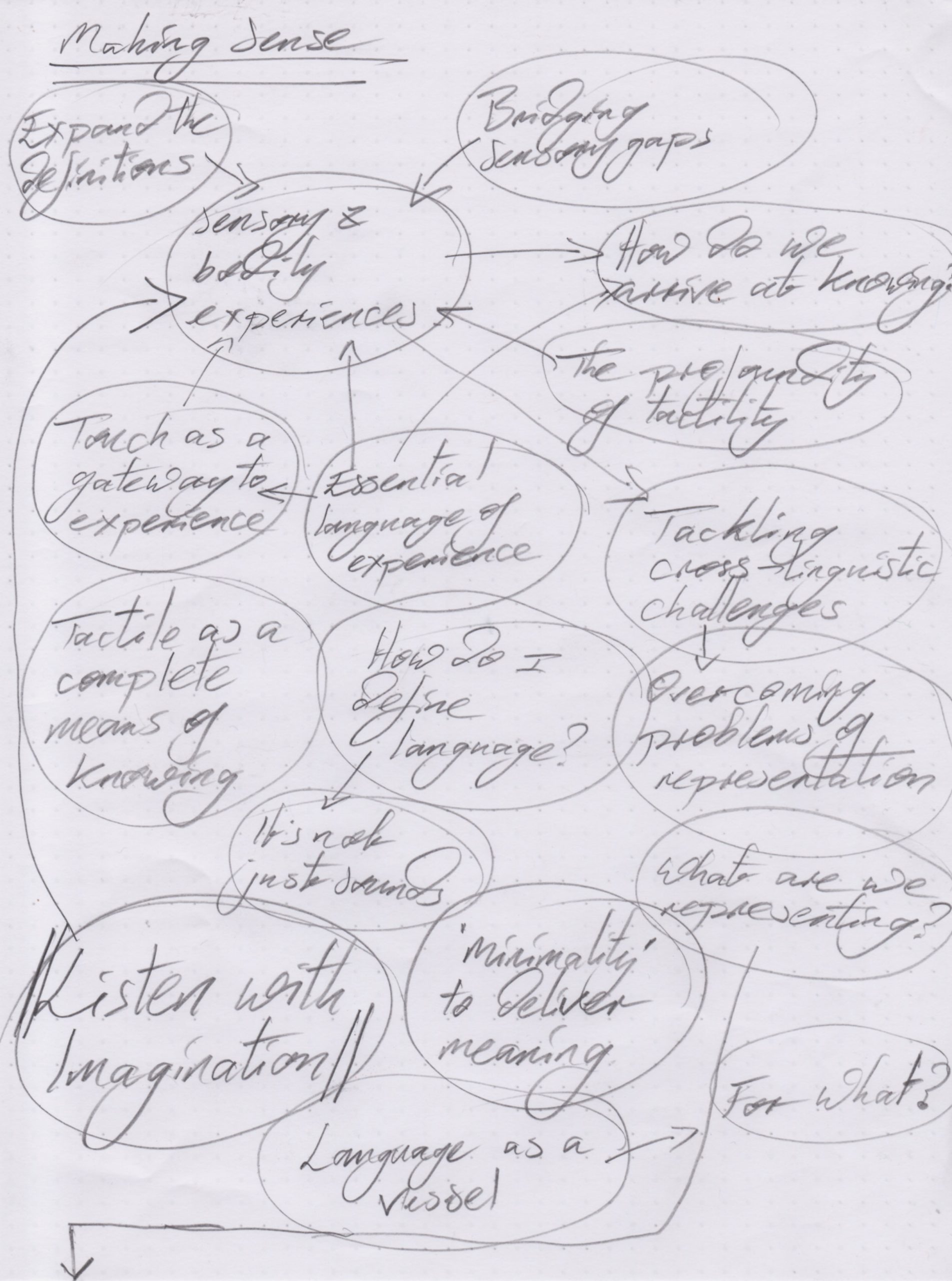
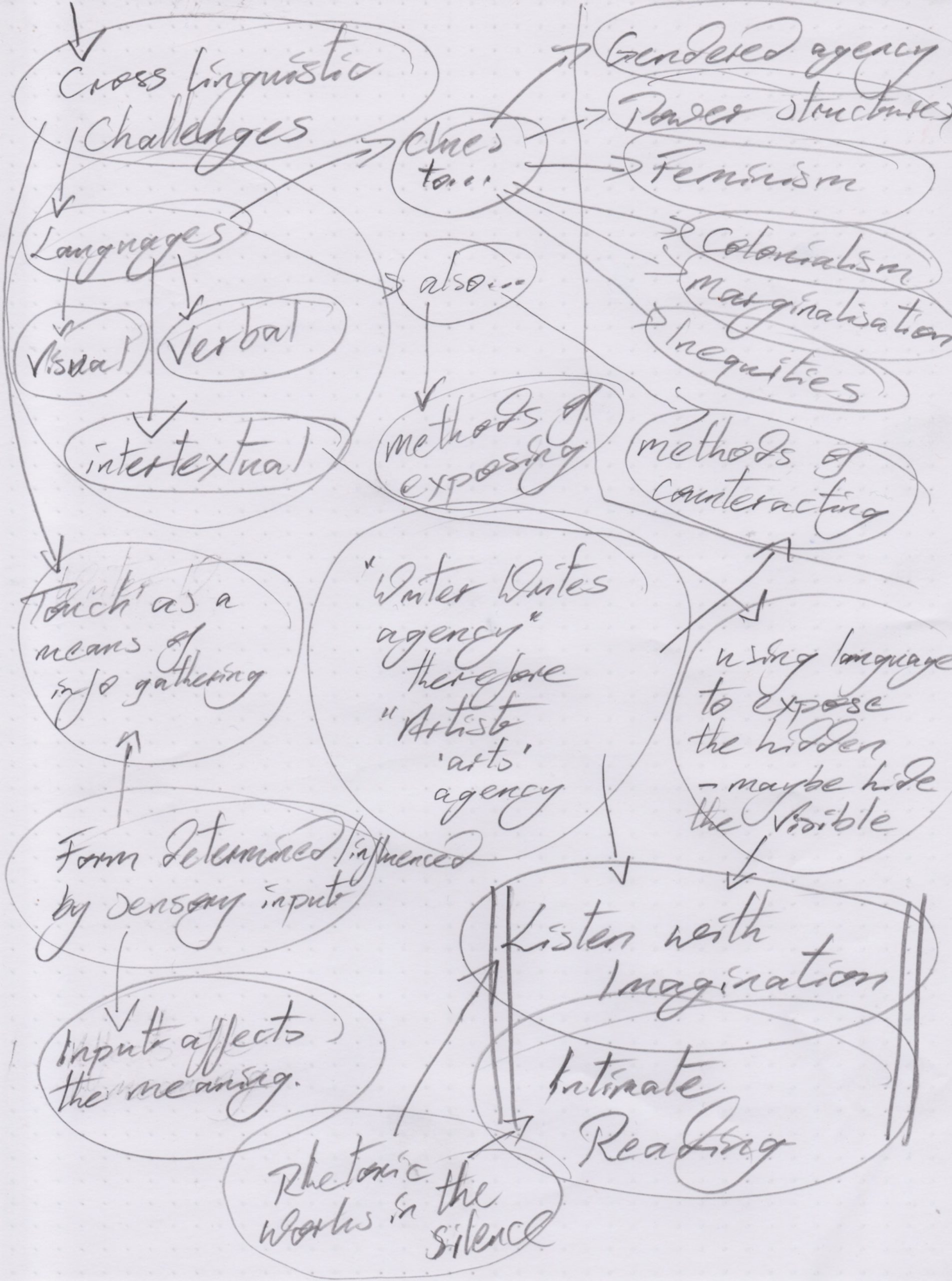
But perhaps this perspective misses some of the point of the exercise. Perhaps the reductionist approach we have been asked to take should focus on making lists that document those gaps, pauses, relationships and contextual subtleties. It is in those places that our understanding and knowledge begin to form. And then as we begin to extract those words and phrases that bear meaning for us, begin to create connections between originally disparate concepts and semantics, a new layer of knowledge begins to arrive – ‘Germinations’ as Akomfrah described. This is where we begin to consider new ‘zones’, ‘borders’, ‘limits’ and ‘demands’. Essentially we are exploring another aspect of Akomfrah’s ‘dialectical philosophy of montage, but primarily through language and not image, in this case.
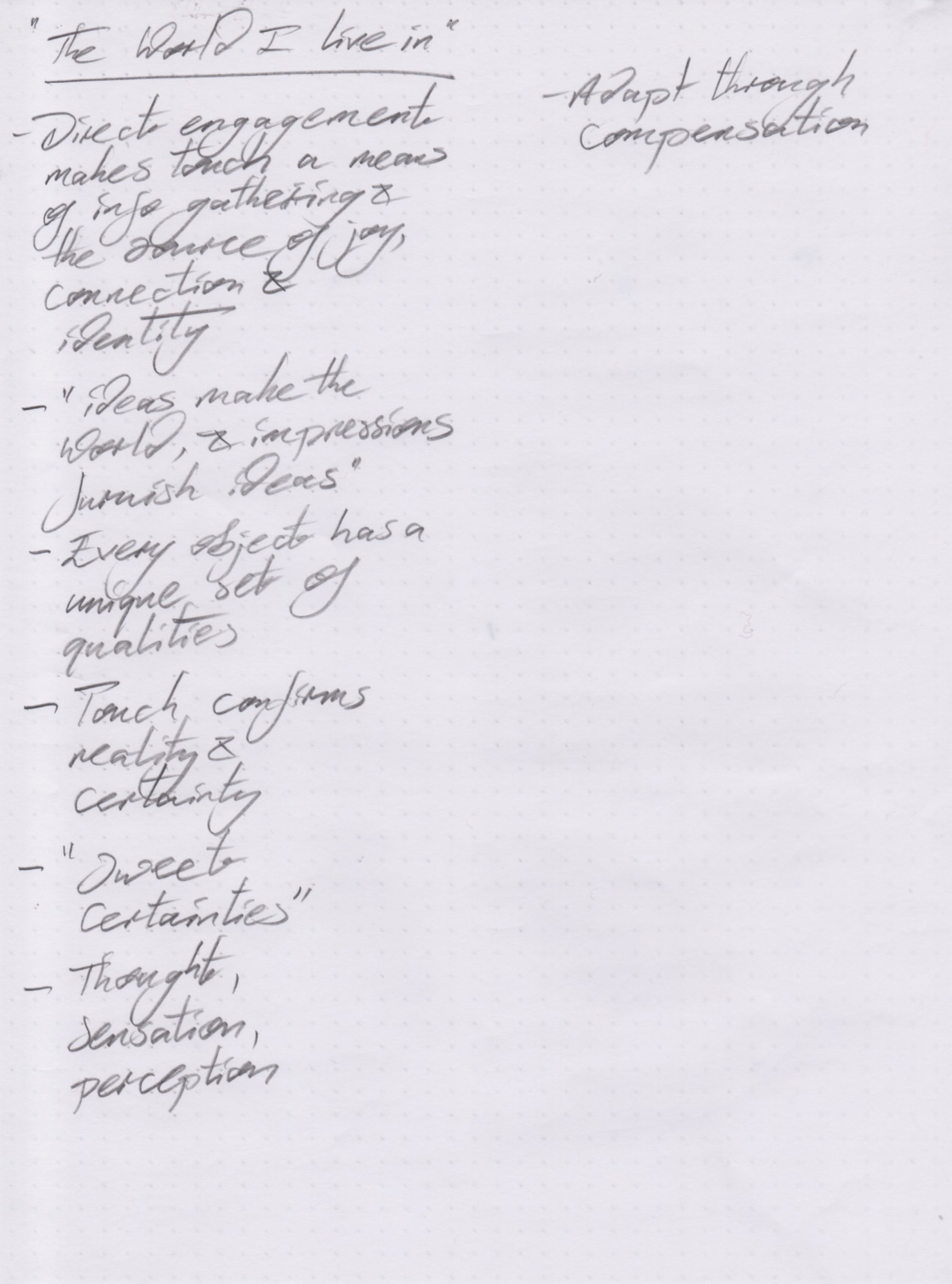
Listing
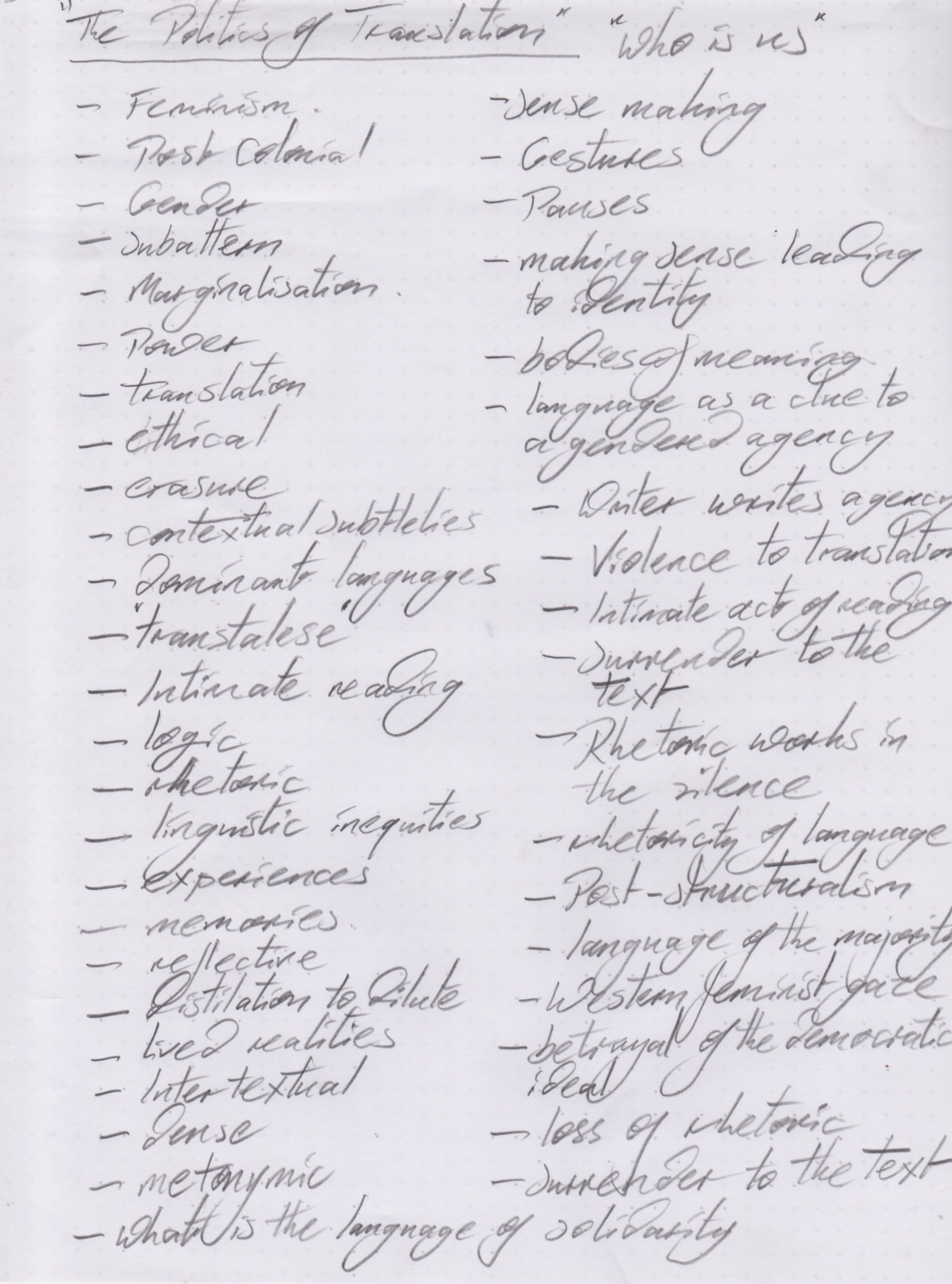
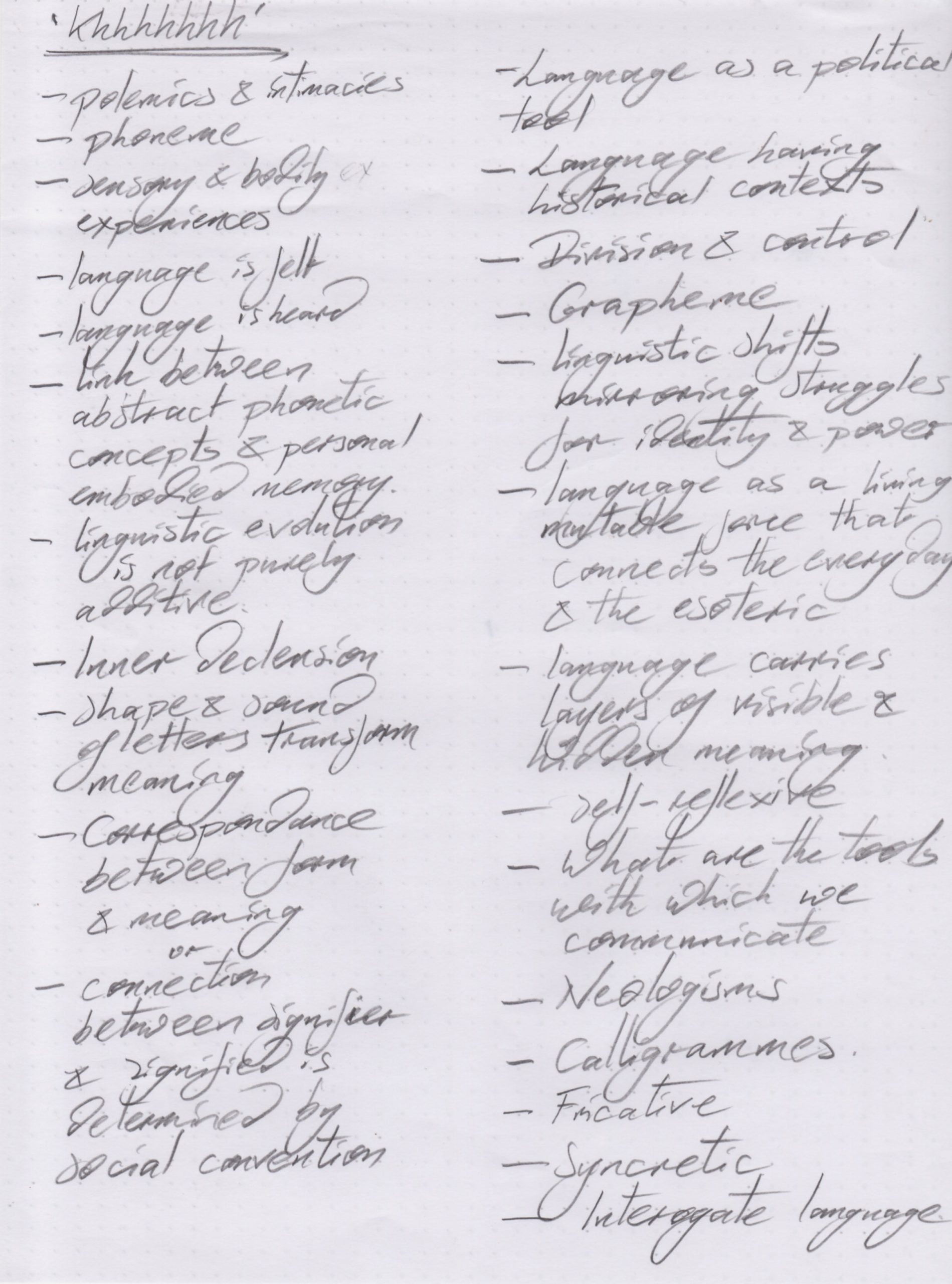
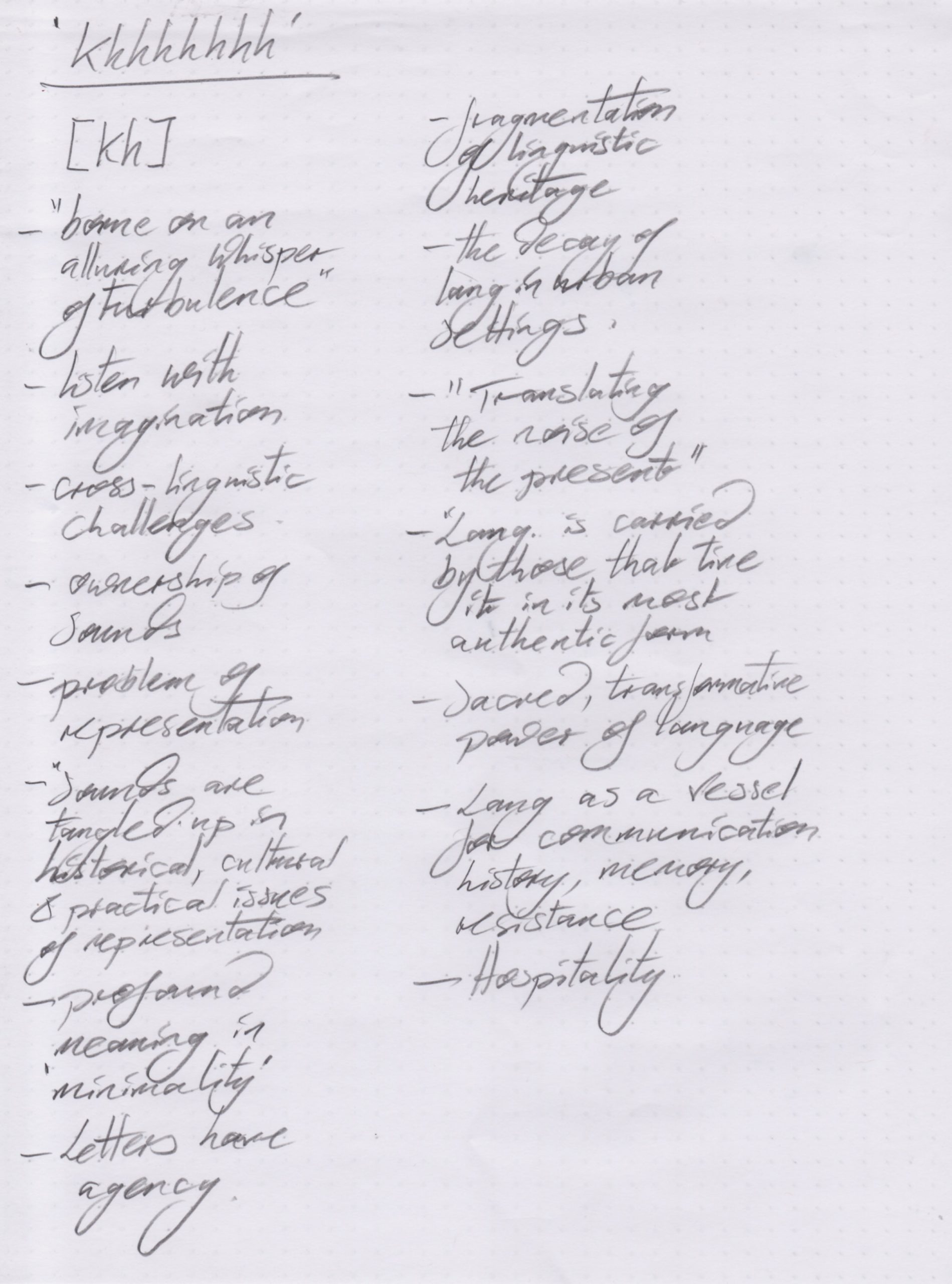
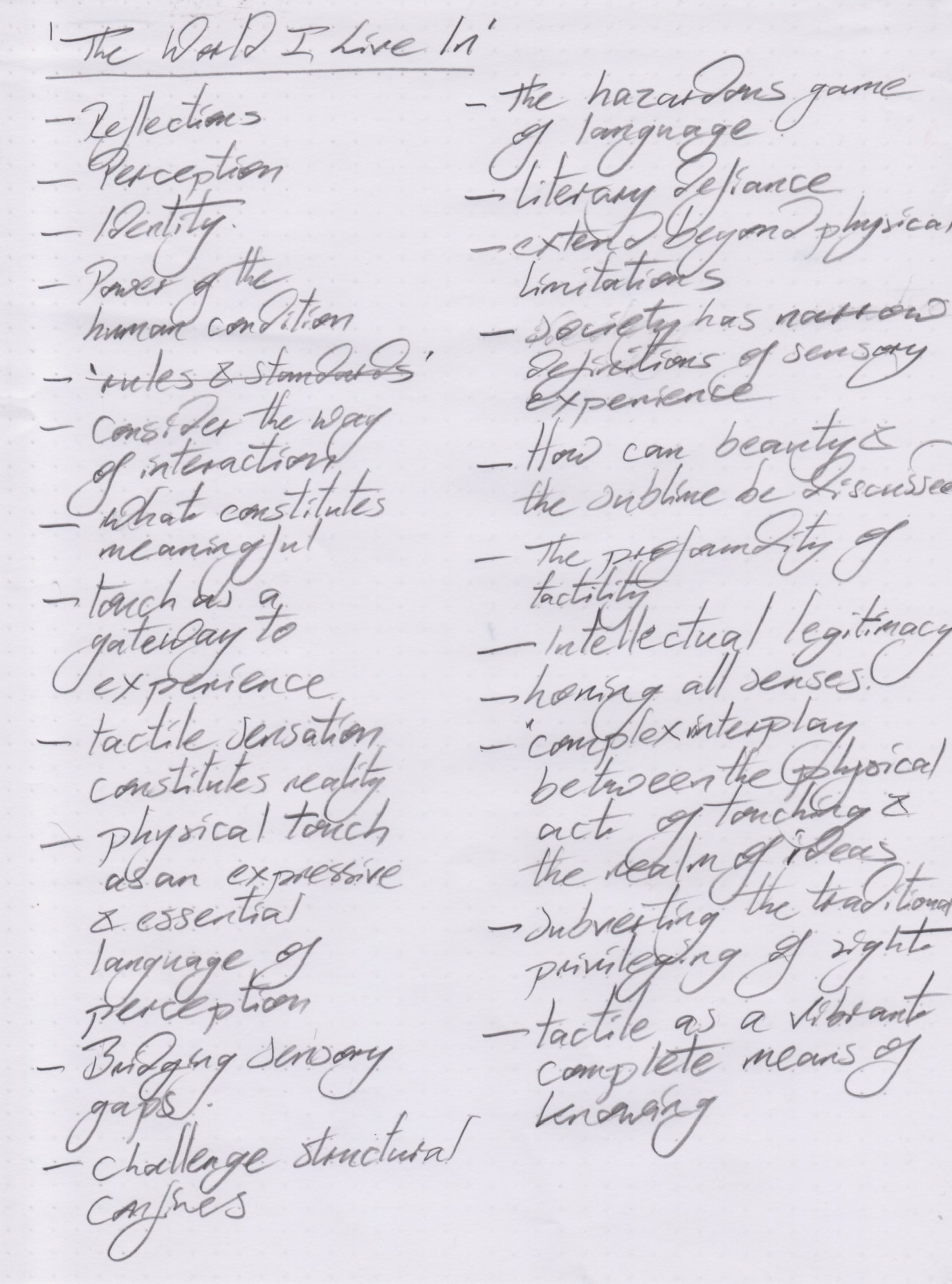
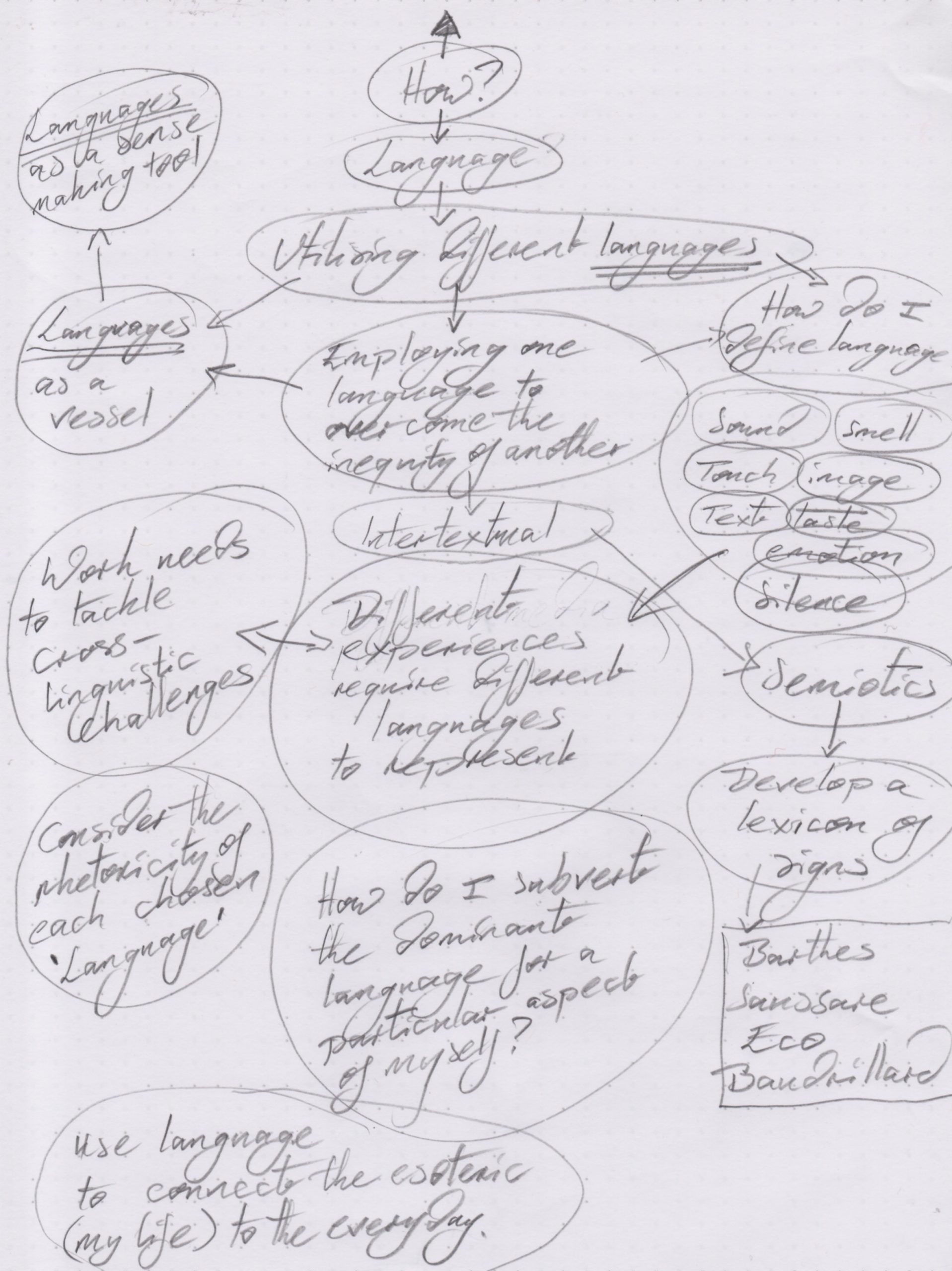
Mapping
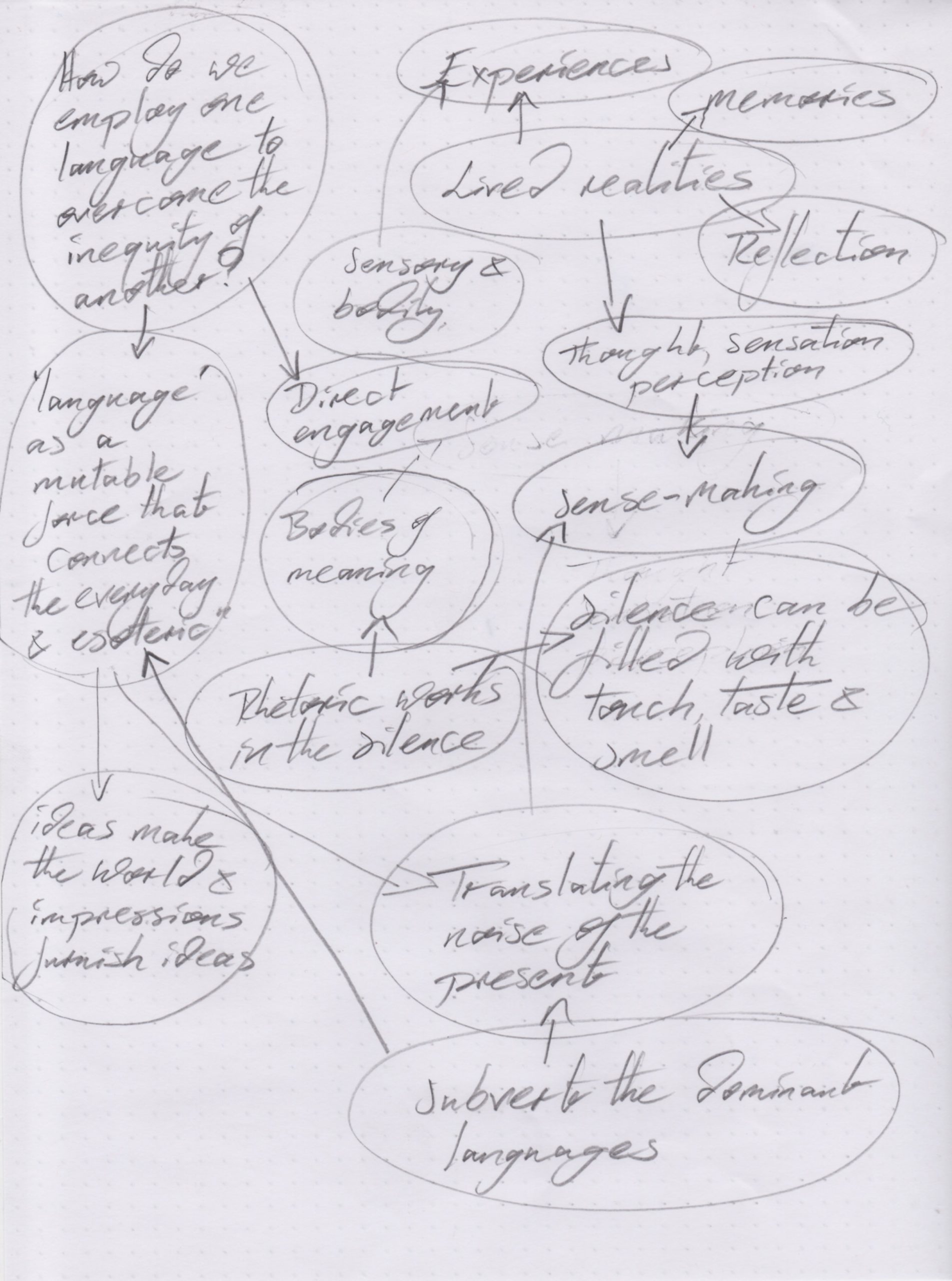
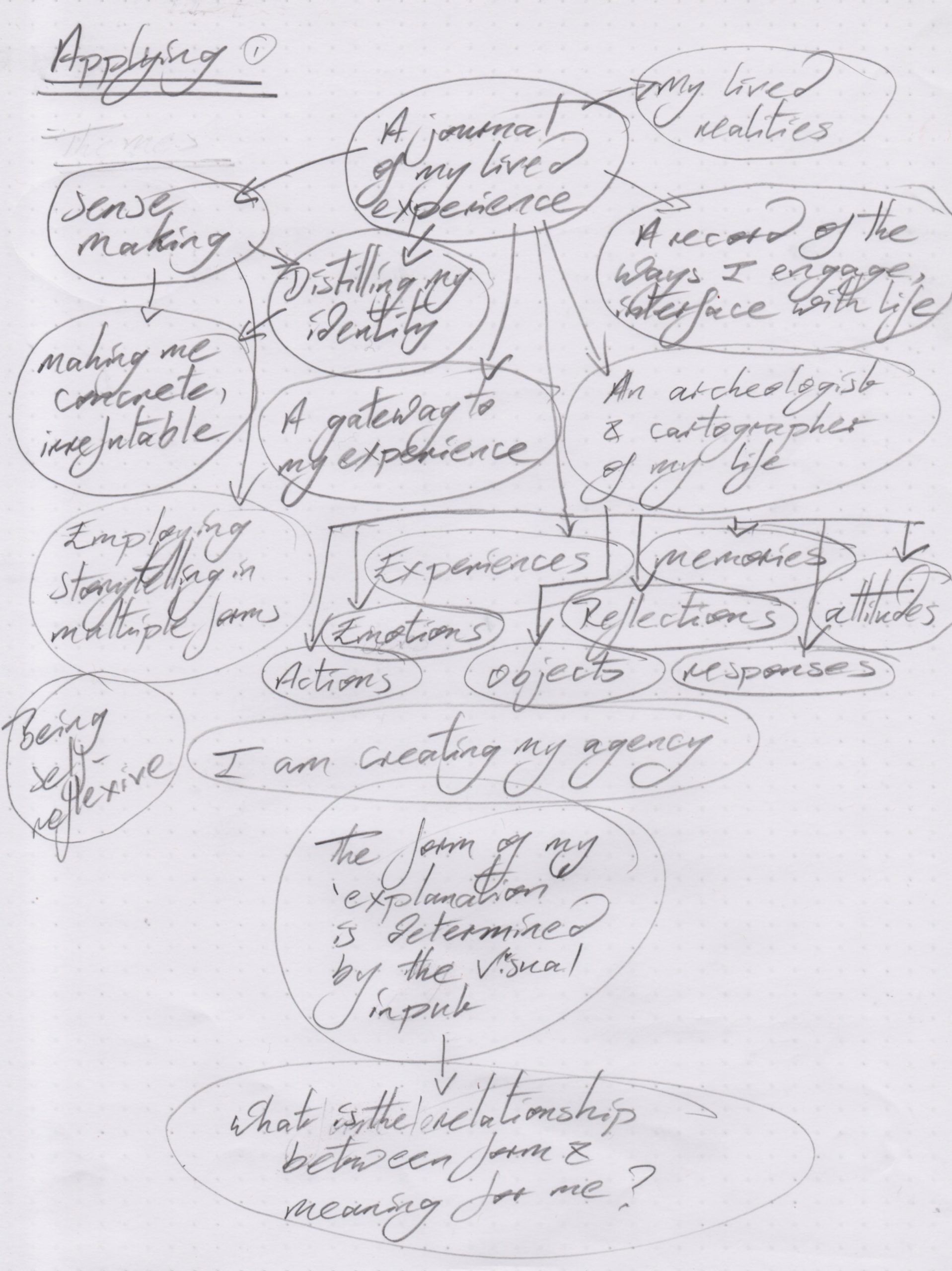
Applying