

Fig.1 Paradise Lost (2001-13)
Raqib Shaw
Raqib Shaw’s artistic practice ingeniously blends speculative fiction with intricate visual narratives, transforming complex mythological and historical references into elaborate, densely populated artworks that challenge conventional perceptions of reality and imagination.
Shaw’s work often draws from multiple cultural sources, including Persian miniature painting, European Renaissance art, and fantastical literary traditions. His large-scale paintings and drawings create immersive worlds where hybrid creatures, mythological beings, and meticulously detailed landscapes coexist in surreal, dreamlike configurations. These compositions are not merely decorative but serve as complex narrative environments that interrogate themes of colonialism, cultural identity, and psychological transformation.
In his most renowned series, Shaw employs a distinctive technique of creating densely layered scenes using industrial paint and intricate gem-like detailing. These works function like speculative fiction texts, presenting alternative realities where traditional boundaries between human, animal, and mythical entities dissolve. Each piece becomes a narrative landscape where viewers can discover multiple interconnected stories, much like a complex novel with simultaneous plot lines.
Shaw’s approach to narrative is particularly influenced by his background as a Kashmiri artist, drawing from postcolonial experiences of displacement and cultural hybridity. His speculative worlds reflect the fragmented, multilayered nature of identity in a globalized context. By populating his artworks with creatures that explore themes of hybridisation, he creates visual metaphors for cultural complexity and transformation.
The artist’s works can be read as visual speculative fiction, where each painting operates like a rich, multilayered text. They invite prolonged exploration, revealing intricate details and narrative threads that emerge gradually, challenging viewers to reconstruct meaning through careful observation and imaginative engagement.
Through this approach, Shaw transforms visual art into a form of storytelling that transcends traditional representational boundaries, creating immersive worlds that are at once historical, mythological, and profoundly contemporary.
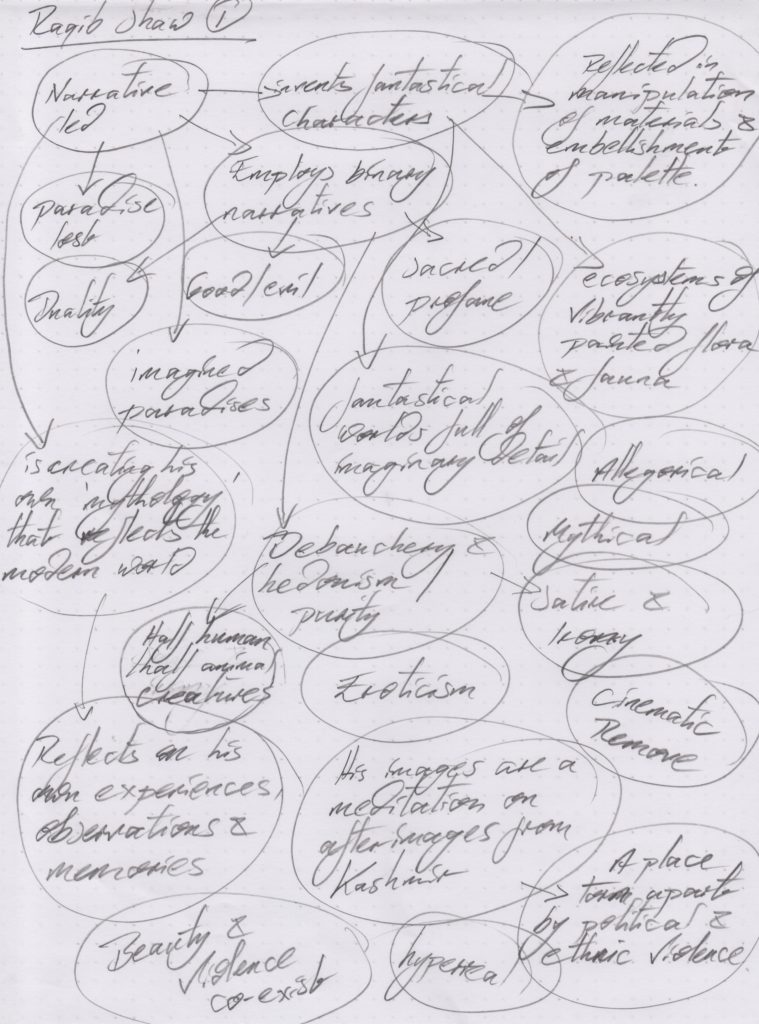
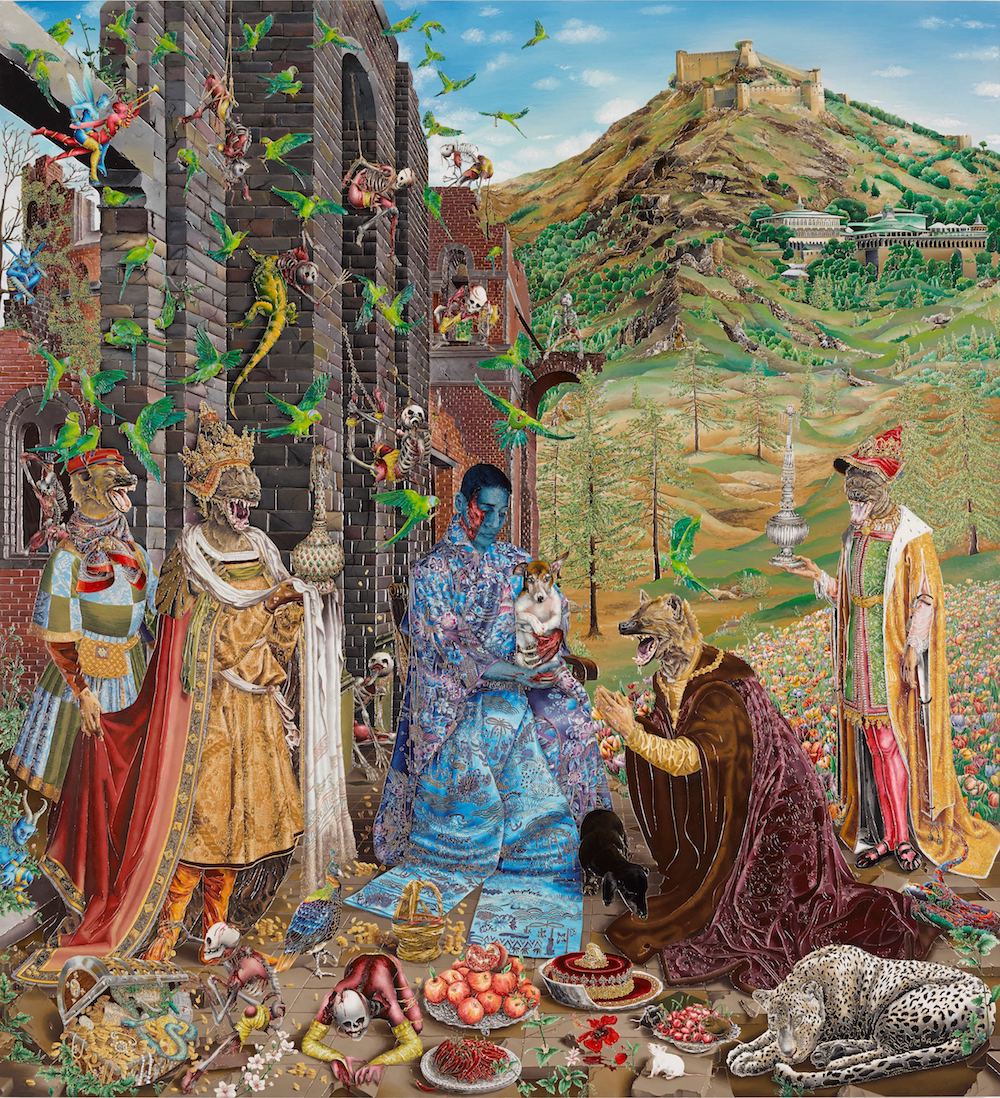
Fig.2. The Adoration (after Jan Grossaert) (2015-2016)
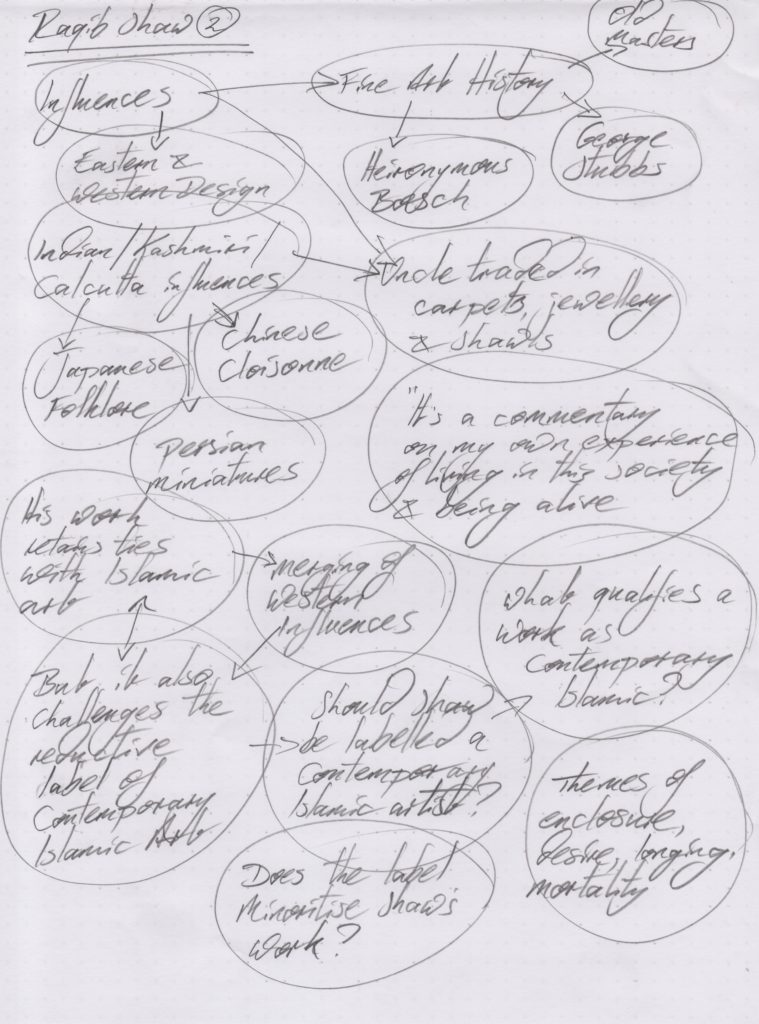
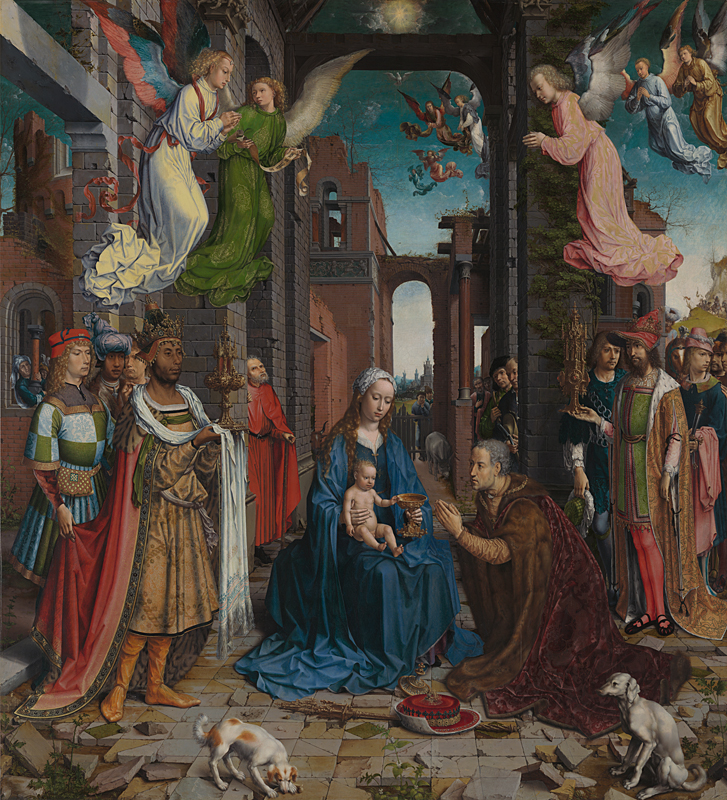
Fig.3. The Adoration of the Kings (1510-1515)
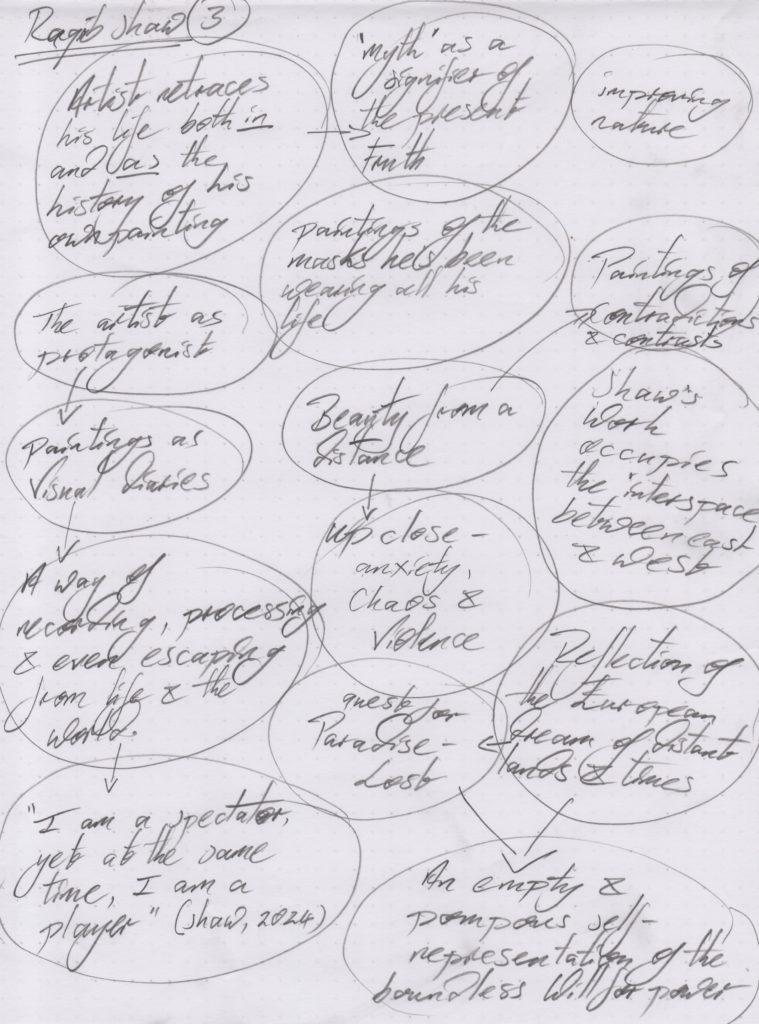
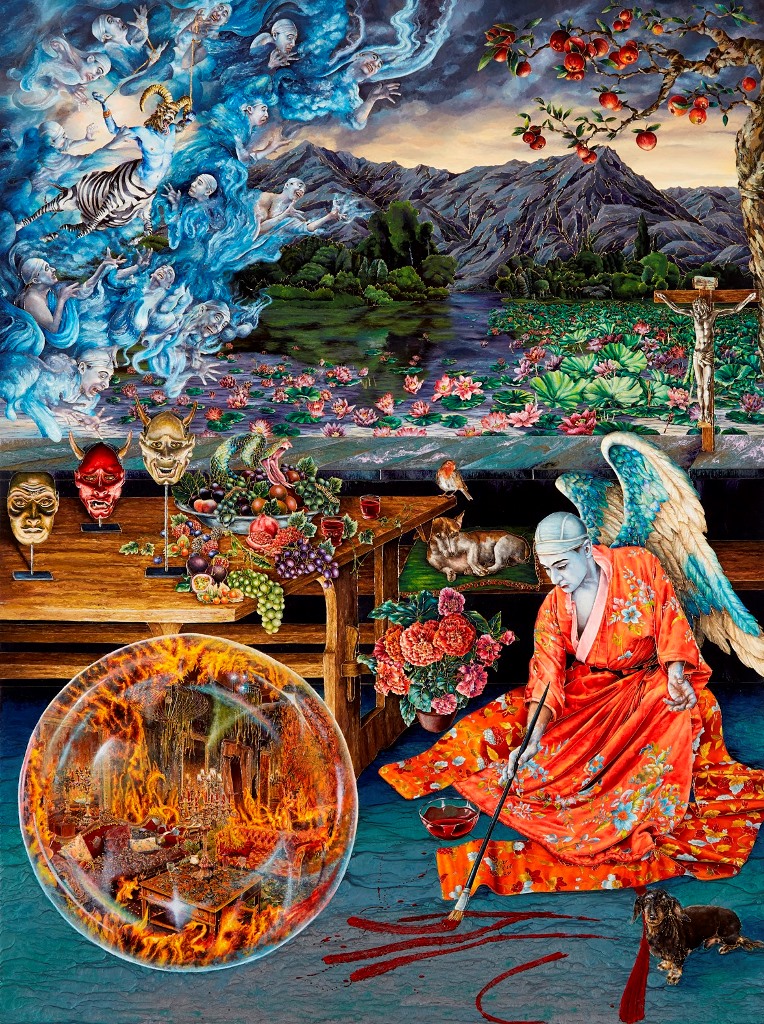
Fig.4. Allegory of Melancholy (After Lucas Cranach the Elder) (2017-18)
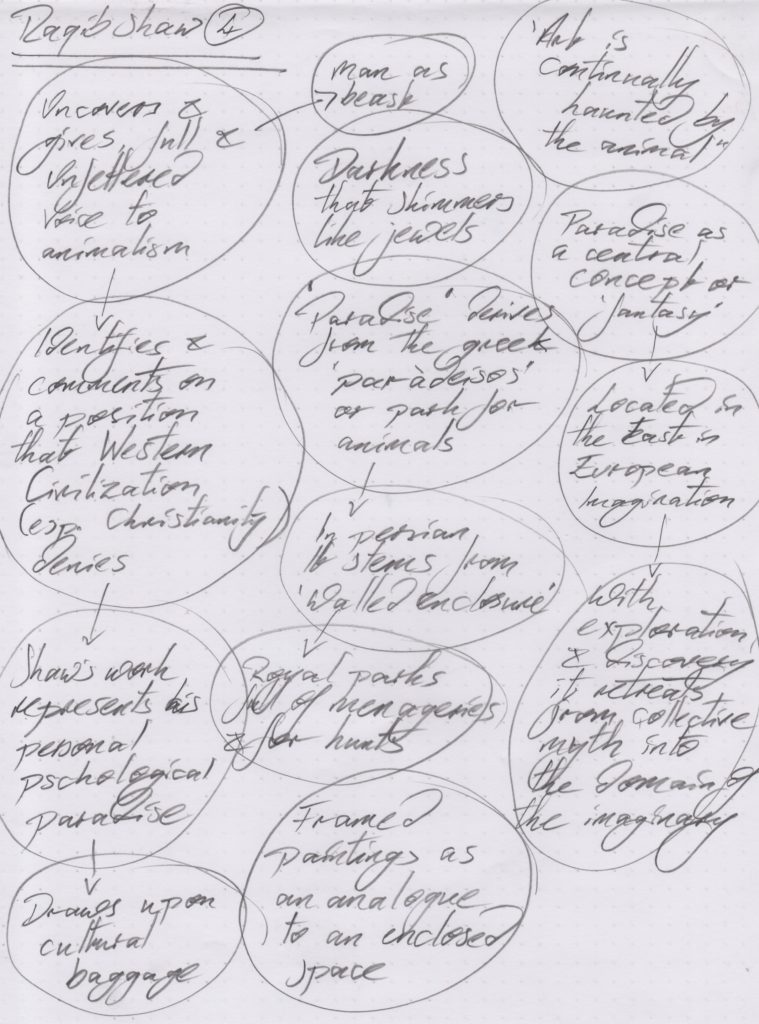
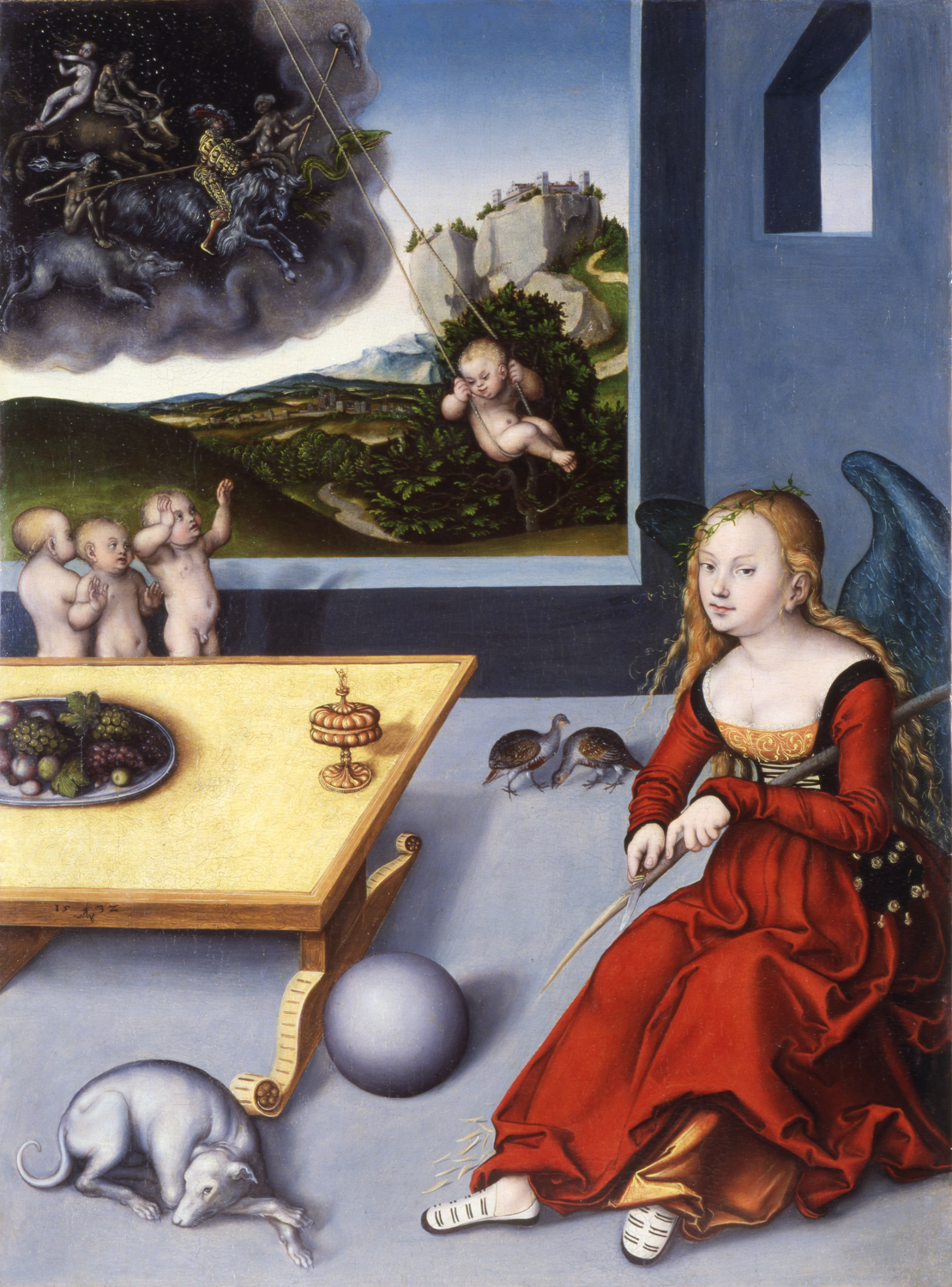
Fig.5. Allegory of Melancholy (1532)
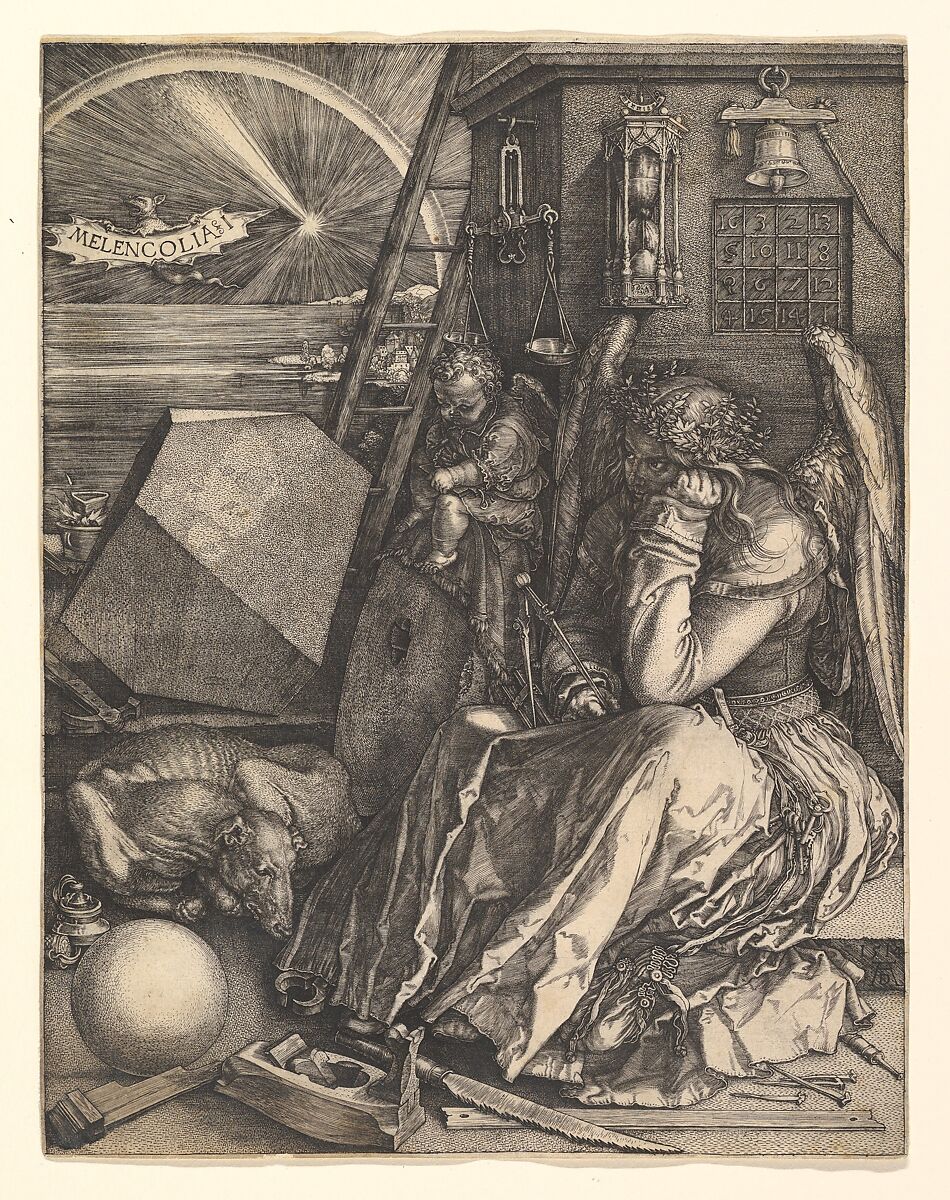
Fig.6. Melencolia I (1514)
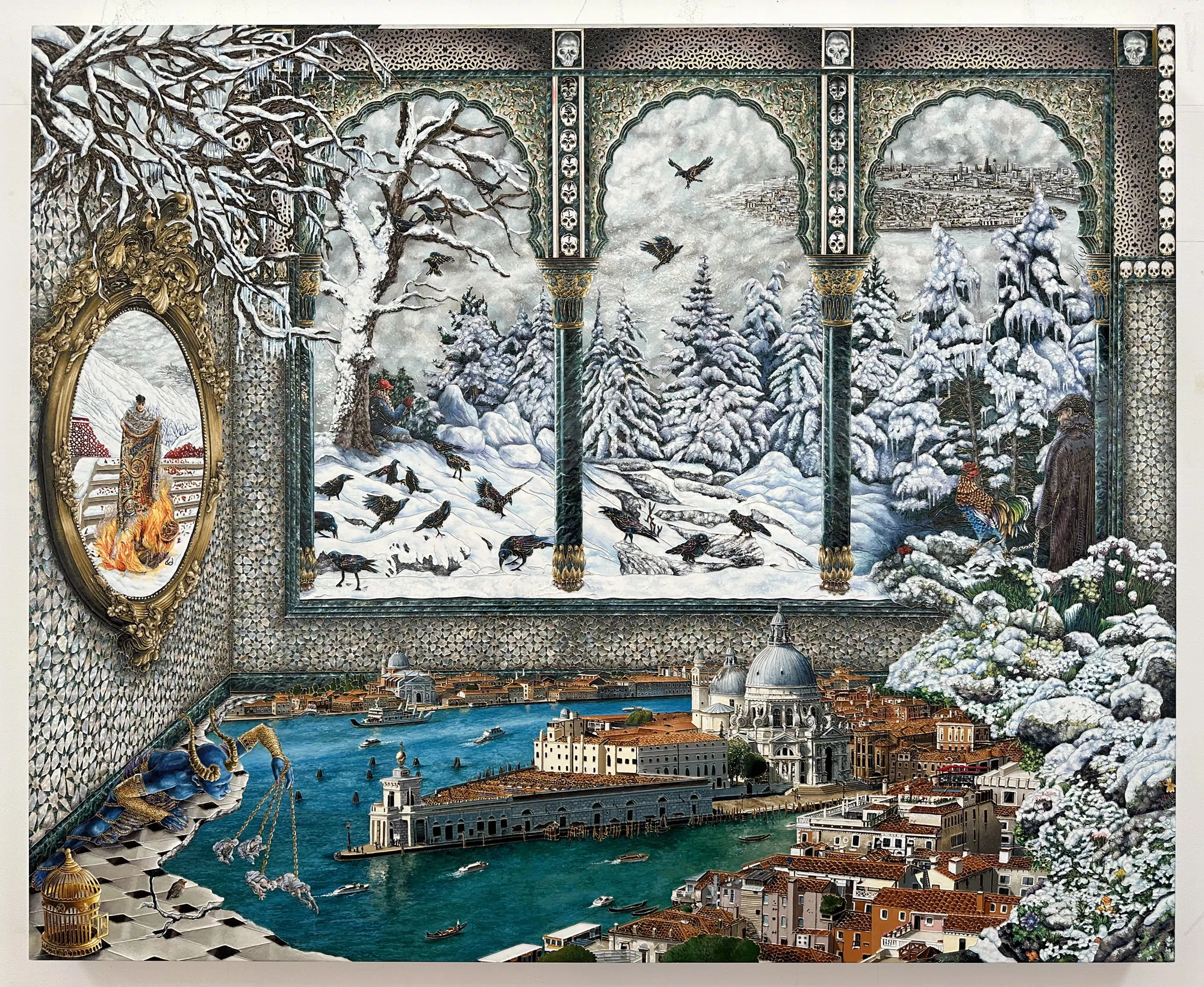
Fig.7. Space Between Dreams – The Mourning Mendicant (2022-23)
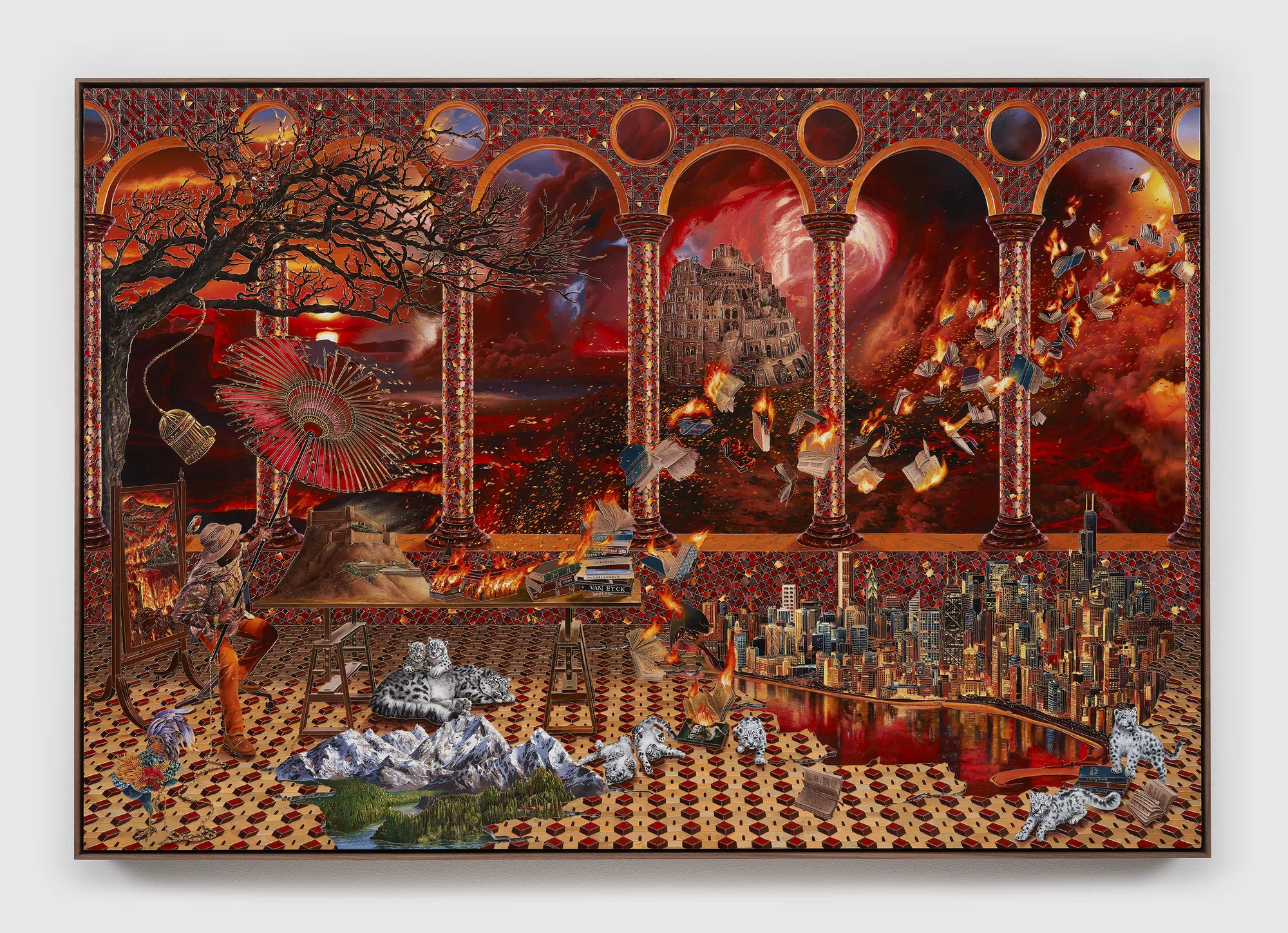
Fig.8. Space Between Dreams – The Perseverant Prophet (2022-23)
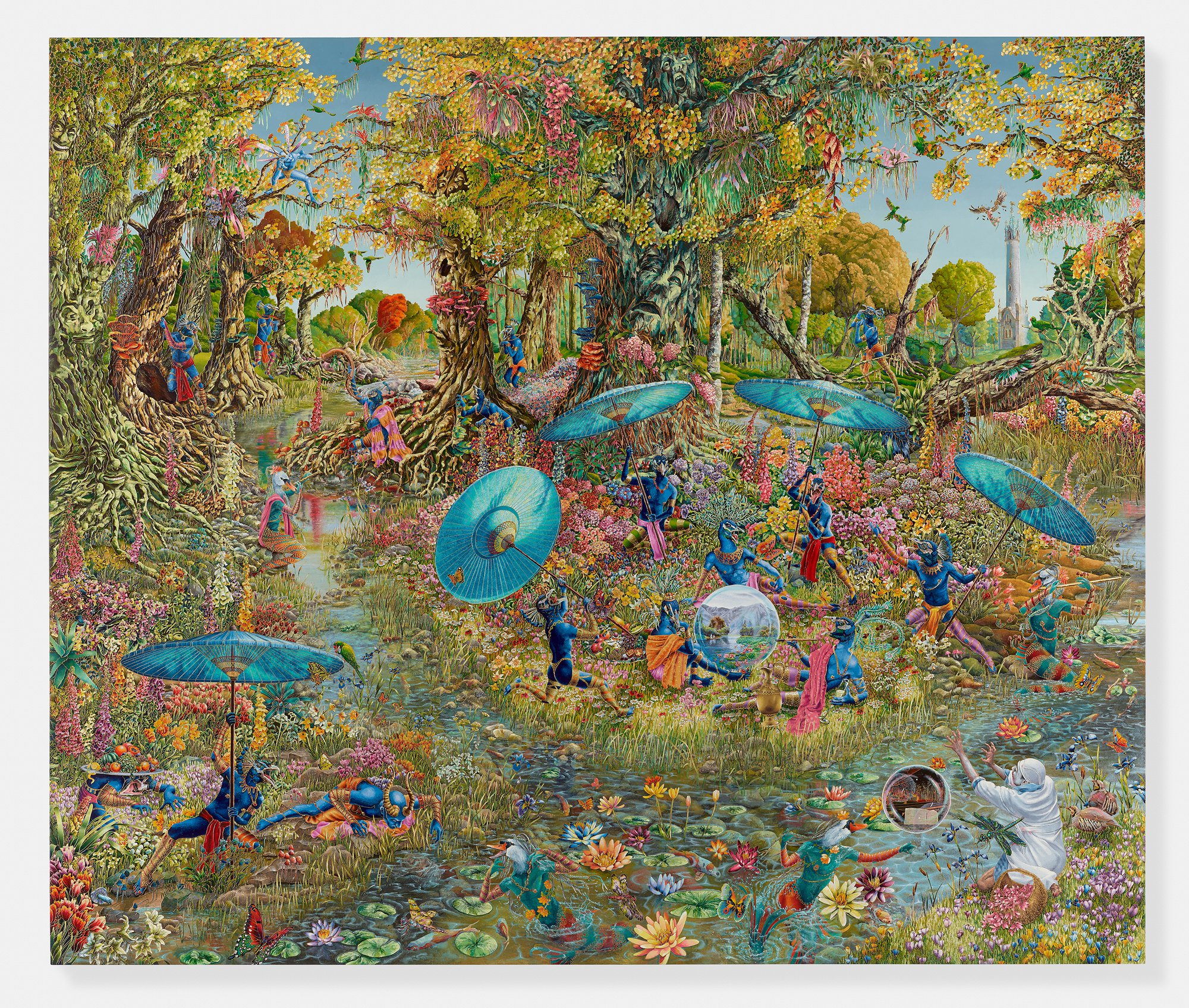
Fig.9. From Narcissus to Icarus (After Déjeuner sur l’herbe) (2017-18)
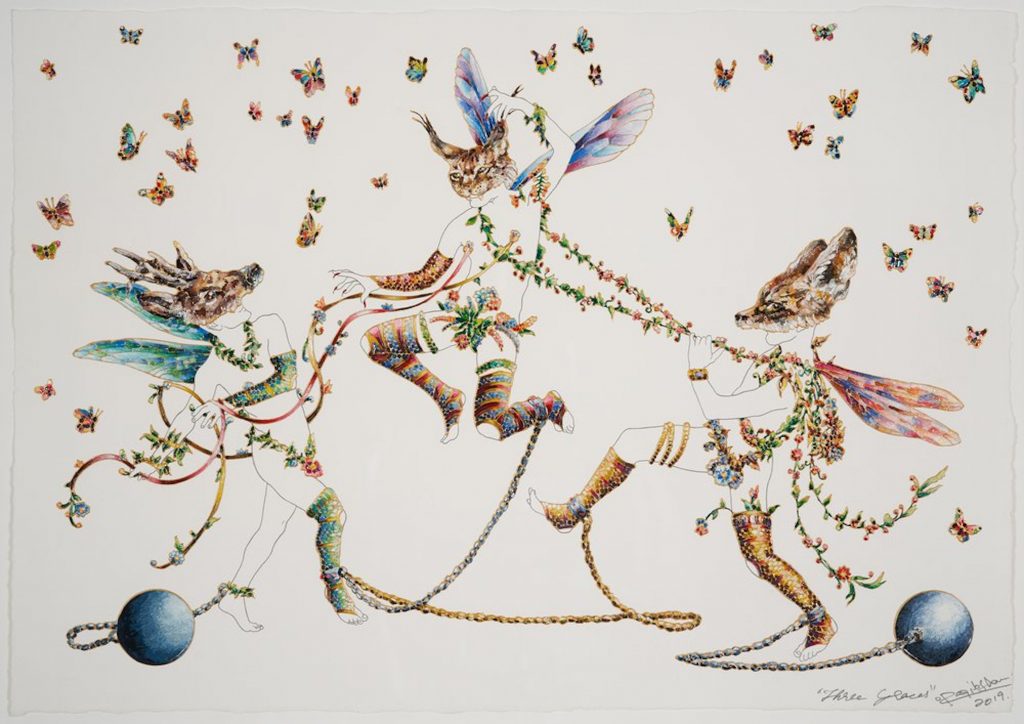
Fig.10. Three Graces (2019)
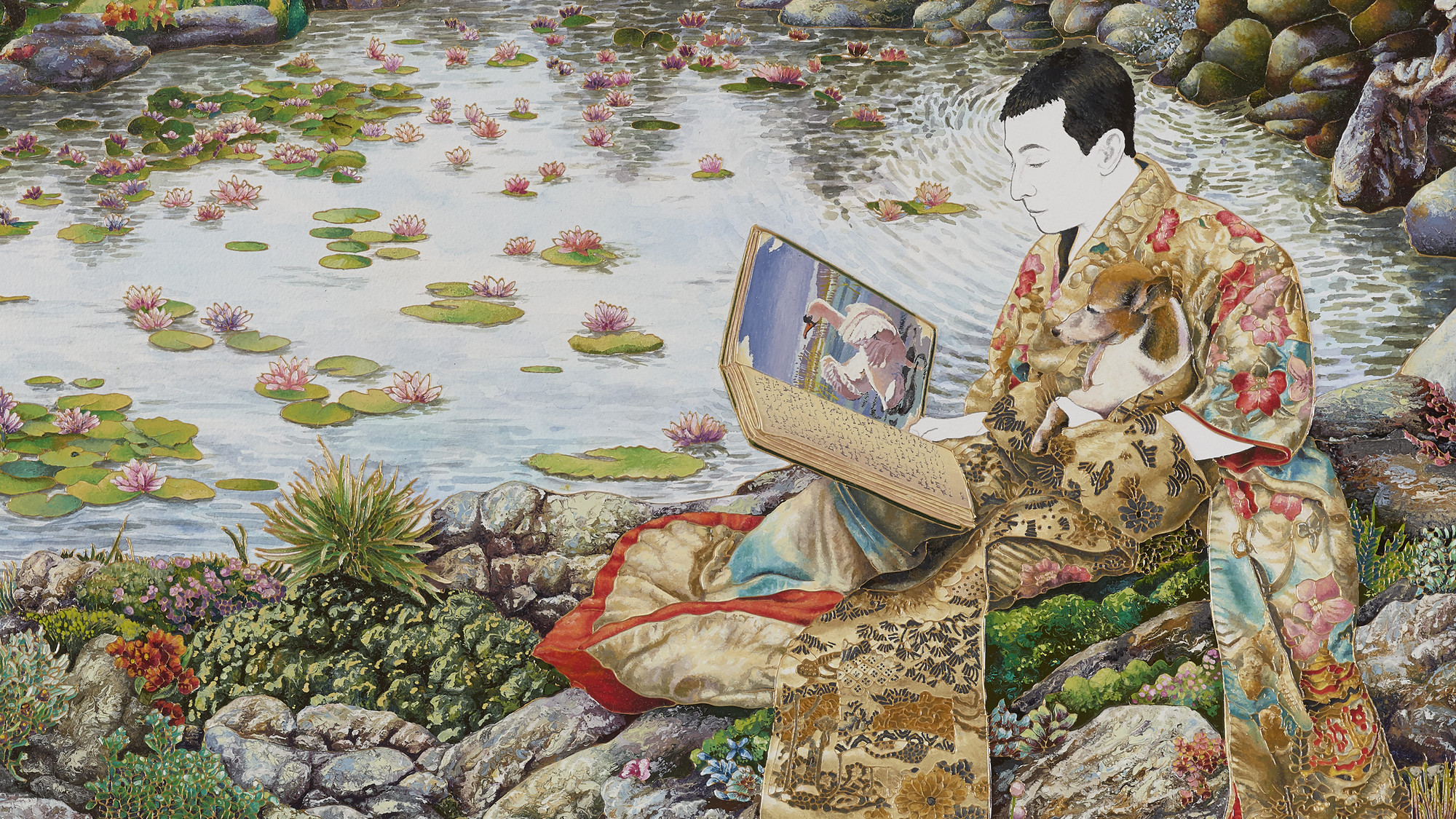
Fig.11. Reflection in the Looking-Glass River (Detail) (2020-21)
Bibliography
Pace Gallery (2023) Raqib Shaw: Space Between Dreams At: https://www.pacegallery.com/exhibitions/raqib-shaw-space-between-dreams/ (Accessed 27/12/24)
Roy, A (2018) Raqib Shaw, An Artist Like no Other At: https://www.telegraphindia.com/opinion/unlike-any-other/cid/1531987 (Accessed 12/12/24)
Rogers, S (2006) ‘Review: Haunting Preconceptions’ In: The Arab Studies Journal 14 (2) pp. 213-218
Balshaw, M., Corridan, F., Nedoma, P. (2013) Raqib Shaw Manchester: Manchester Art Gallery
List of Illustrations
Fig.1. Shaw, R (2001-13) Paradise Lost [Oil, acrylic, glitter, enamel, resin and rhinestones on birch wood] At: https://www.whitecube.com/artworks/paradise-lost (Accessed 14/12/24)
Fig.2. Shaw, R (2015-2016) The Adoration (after Jan Grossaert) [Acrylic liner and enamel on birchwood] At: https://theedinburghreporter.co.uk/2018/08/at-the-scottish-national-gallery-of-modern-art-raqib-shaw/ (Accessed 14/12/24)
Fig.3. Gossaert, J (1510-1515) The Adoration of the Kings [Oil on Oak] At: https://www.nationalgallery.org.uk/paintings/NG2790 (Accessed 14/12/24)
Fig.4. Shaw, R (2017-2018) Allegory of Melancholy after Lucas Cranach the Elder [Acrylic liner and enamel on birchwood] At: https://theedinburghreporter.co.uk/2018/08/at-the-scottish-national-gallery-of-modern-art-raqib-shaw/ (Accessed 14/12/24)
Fig.5. Cranach, L (1532) Allegory of Melancholy [Oil on Wood] At: https://www.musee-unterlinden.com/en/oeuvres/melancholy/ (Accessed 14/12/24)
Fig.6. Dürer, A (1514) Melencolia I [Engraving] At: https://www.metmuseum.org/art/collection/search/336228 (Accessed 14/12/24)
Fig.6. Shaw, R (2022-23) Space Between Dreams – The Mourning Mendicant [Acrylic liner and enamel on aluminium] At: https://www.pacegallery.com/exhibitions/raqib-shaw-space-between-dreams/ (Accessed 14/12/24)
Fig.8. Shaw, R (2022-23) Space Between Dreams – The Perseverant Prophet [acrylic liner and enamel on aluminium] At: https://www.pacegallery.com/exhibitions/raqib-shaw-space-between-dreams/ (Accessed 14/12/24)
Fig.9. Shaw, R (2017-18) From Narcissus to Icarus (After Déjeuner sur l’herbe) [acrylic liner and enamel on Birch wood,] At: https://www.pacegallery.com/artists/raqib-shaw/ (Accessed 14/12/24)
Fig.10. Shaw, R (2019) The Three Graces [acrylic, graphite, and enamel on paper] At: https://ocula.com/art-galleries/pace-gallery/artworks/raqib-shaw/three-graces/ (Accessed 14/12/24)
Fig.11. Shaw, R (2020-21) Reflection in the Looking-Glass River (Detail) [painting on paper mounted on wood] At: https://www.pacegallery.com/exhibitions/raqib-shaw-reflections-upon-the-looking-glass-river/ (Accessed 14/12/24)